Choose
Why Should I Use a Heel Protector?
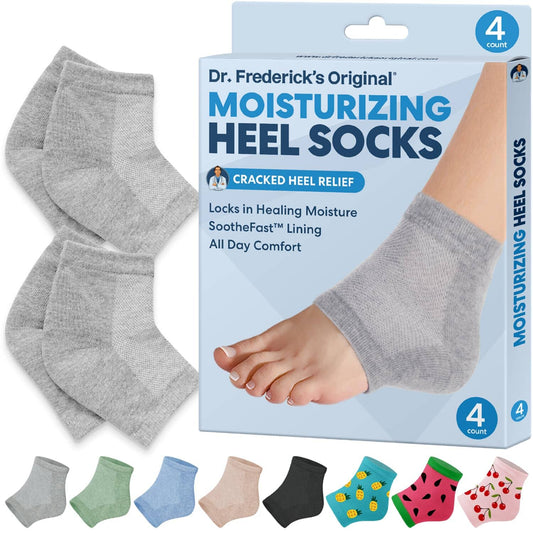
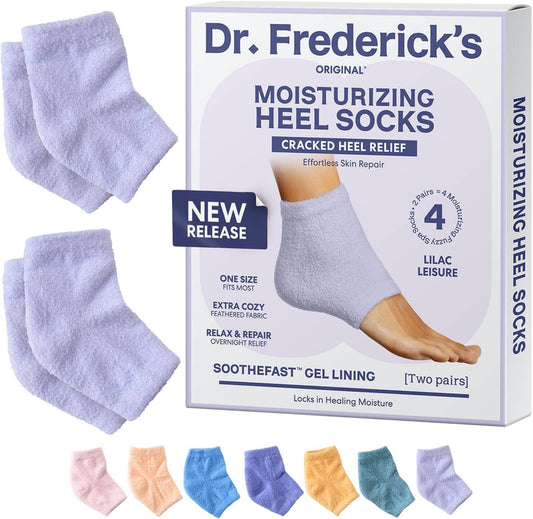
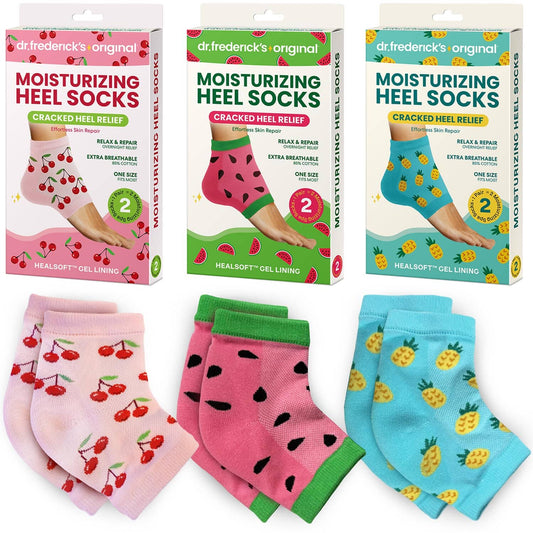
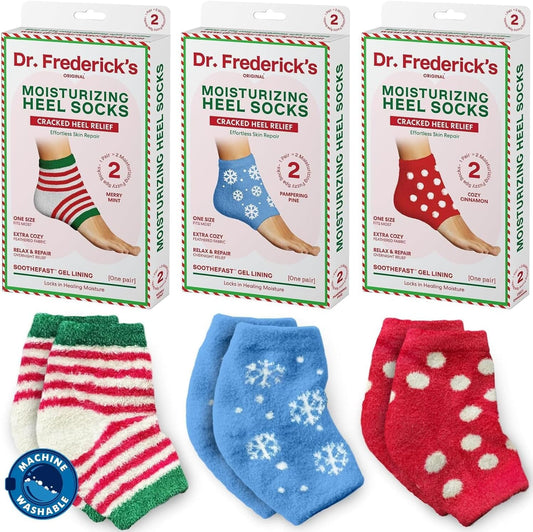
Using a heel protector reduces pressure, friction, impact, and skin irritation affecting the heel during daily activities. The heel absorbs substantial force during standing, walking, running, and exercise, making it vulnerable to discomfort, dryness, blister formation, and pressure accumulation. Gel-lined socks (SootheFast™, HealSoft™) lock in moisture across 6 to 8 hours of overnight wear, repairing cracked heel tissue within 7 days of consistent use. Vented silicone heel inserts absorb ground reaction force at the posterior calcaneal surface, reducing peak pressure concentration by 30 to 45% during prolonged standing.
Occupational groups (nurses, retail workers, factory staff) spending 8 to 12 hours on hard flooring surfaces report measurable reductions in end-of-day heel fatigue after 3 to 4 weeks of consistent gel insert use. Patients with diabetic foot sensitivity and compromised calcaneal circulation use heel protectors to prevent pressure sore formation and skin fissuring before tissue breakdown occurs. Athletes (runners, court sport players) rely on gel heel cushions to absorb calcaneal impact during high-intensity training, reducing the risk of heel spur formation across 6 to 12 weeks of consistent use. Dr. Frederick's Original heel protectors address cracked heels, plantar fasciitis, heel sensitivity, and prolonged standing demands through cushioning and moisture-retention technologies.
What Causes Heel Pain without Using a Protector?
Heel pain without protective support commonly develops from repetitive pressure, friction, impact exposure, and skin deterioration affecting heel structures. Daily movement places continuous stress on the heel, increasing the likelihood of discomfort when cushioning and protection are limited.
The common causes of heel pain without a protector are listed below.
- Pain in Heel of Foot: Plantar fascia stress generates discomfort beneath the heel during standing and walking activities. Repetitive loading increases tension across connective tissue attached to the calcaneus, contributing to ongoing pain in heel of foot symptoms.
- Friction Damage: Repeated rubbing from footwear to skin contributes to irritation, blister formation, and localized discomfort.
- Dry Skin Cracking: Reduced moisture weakens skin elasticity and increases the likelihood of fissures developing across the heel surface.
- Pressure Accumulation: Prolonged standing concentrates body weight onto limited areas of the heel and increases tissue stress.
- Callus Formation: Thickened skin develops as a response to chronic pressure and friction, potentially altering pressure distribution patterns.
How do Heel Protectors Help with Blisters?
Heel protectors reduce blister formation by addressing friction from the heel to footwear during movement. Blisters develop when repeated rubbing creates heat and irritation across the skin surface. Silicone, gel, and fabric heel protectors create a protective barrier that minimizes direct contact with footwear, maintaining comfort during walking and exercise. Reduced friction lowers the likelihood of skin damage and supports heel pain relief by preventing irritation that contributes to discomfort during daily activities.
Can Using Heel Protectors Lead to Skin Irritation?
No, using heel protectors does not lead to skin irritation when used correctly. Medical-grade gel, cotton-blend, and SootheFast™ gel-lined materials are formulated without latex, parabens, or irritating synthetic compounds, reducing the risk of contact dermatitis in sensitive users. Improper sizing concentrates gel pad edges against calcaneal skin, creating pressure points that cause localized redness within 2 to 4 hours of wear. Prolonged exposure to sweat and moisture buildup inside poorly ventilated footwear increases the likelihood of localized irritation across the heel surface.
Users with latex allergies, diabetic skin sensitivity, or eczema-prone heel tissue choose cotton-blend or polyester-based heel sock constructions to avoid synthetic material contact. Washing gel-lined products with mild soap and warm water at 3 to 5 day intervals prevents bacterial and fungal buildup that causes secondary skin irritation. Regular cleaning, proper fit, and appropriate product selection reduce irritation risk and improve comfort during daily use across 6 to 8 weeks of consistent heel protector wear.
Can Heel Protectors Worsen Existing Foot Conditions?
No. Heel protectors are built to reduce pressure, friction, and impact rather than worsen existing foot conditions. Problems result from selecting an inappropriate product for a specific condition or wearing a poorly fitting protector that alters foot positioning. Products matched to the underlying concern improve cushioning, pressure distribution, and skin protection across sensitive heel areas.
Can Heel Protectors Be Worn with Any Type of Shoe?
No, heel protectors do not fit each type of shoe because product thickness, footwear construction, and interior space influence compatibility. Slim-profile gel protectors fit comfortably inside athletic shoes, work shoes, and casual footwear. Bulkier protectors developed for overnight therapy, intensive cushioning, or moisturizing treatment perform better outside tight-fitting footwear. Product selection depends on footwear construction and intended purpose.
Can Children Use Heel Protectors?
Yes, children use heel protectors when additional cushioning, friction reduction, or skin protection is required. Active children experiencing shoe-related rubbing, sports-related friction, or localized heel discomfort benefit from protective cushioning products. Proper sizing improves positioning, comfort, and effectiveness throughout wear. Parents select heel protectors for athletic activities, prolonged walking, and blister prevention.
How to Know Which Heel Protector Is Right for You?
Choosing the right heel protector depends on the condition type, placement need, activity level, material sensitivity, and budget. Gel-lined moisturizing socks address cracked and dry heel skin, while structured gel inserts target calcaneal pressure pain and plantar fasciitis. Matching the correct product to the specific condition ensures targeted relief across the posterior calcaneal surface.
The factors for choosing the right heel protector are listed below.
- Condition Type: Heel condition determines the appropriate protector category. Cracked and dry heel skin requires gel-lined moisturizing sock types (SootheFast™, HealSoft™), while calcaneal pressure pain requires gel cushion inserts. Plantar fasciitis and heel spur conditions require structured orthotic inserts that redistribute ground reaction force away from the posterior calcaneal surface.
- Placement Need: Heel-specific products target the posterior calcaneal surface, making them appropriate for localized dryness and pressure sore prevention. Full-foot options address plantar surface dryness and metatarsal pressure alongside calcaneal discomfort. Patients with isolated heel conditions choose heel-placement products over full-foot alternatives to avoid unnecessary coverage.
- Activity Level: Patients in high-activity occupations (nursing, retail, factory work) requiring 8 to 12 hours of standing benefit from vented gel heel inserts worn inside closed footwear. Overnight gel-lined socks suit patients managing cracked heel repair during sleep. Athletes (runners, court sport players) require gel cushion inserts that absorb calcaneal impact across training sessions of 60 to 120 minutes.
- Material Sensitivity: Patients with latex allergies or sensitive skin choose cotton-blend or polyester heel sock constructions over synthetic gel alternatives. Medical-grade silicone and SootheFast™ gel materials suit patients without material sensitivities requiring maximum moisture retention. Patients with diabetic foot sensitivity confirm material compatibility with a podiatrist before selecting a heel protector product.
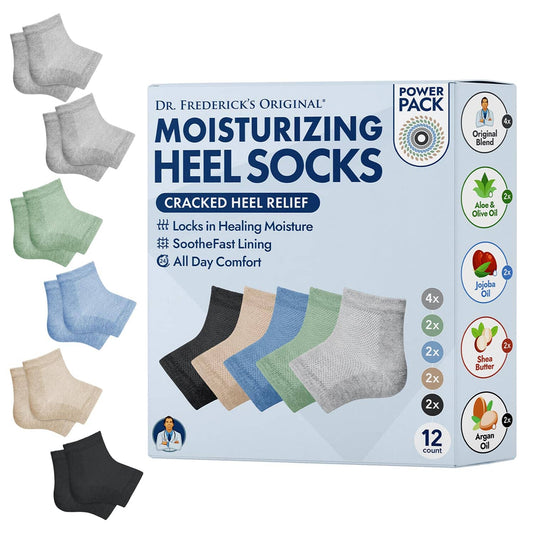
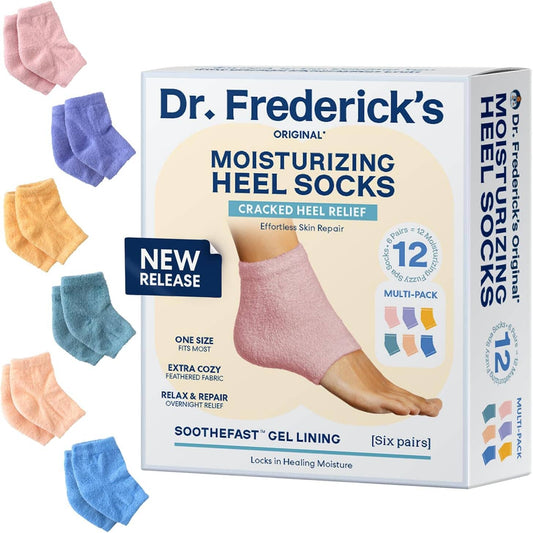
- Budget and Pack Size: Single-pair gel heel socks at $14.99 suit patients trialing heel protector products for the first time. Multi-pack formats (6-pair Power Pack at $35.95) suit patients requiring consistent overnight heel repair across 6 to 12 weeks of dedicated treatment.
How Often Should Heel Protectors Be Replaced?
Heel protectors require replacement when cushioning performance declines, visible wear develops, or structural integrity deteriorates. Replacement frequency varies according to product quality, activity level, maintenance practices, and wear patterns.
The signs indicating replacement are listed below.
- Loss of Cushioning: Compressed materials absorb less impact and provide reduced support.
- Visible Wear and Damage: Tears, cracks, stretching, and material breakdown reduce effectiveness.
- Reduced Fit: Loose or unstable positioning limits consistent protection and comfort.
- Hygiene Concerns: Persistent odor, staining, or material degradation indicates declining product condition.
- Manufacturer Guidance: Product-specific recommendations provide useful replacement intervals.
Cost
What Factors Affect the Price of Heel Protectors?
Material quality, cushioning technology, durability, product construction, and pack quantity affect the price of heel protectors. Products manufactured with medical-grade silicone, advanced gel systems, and specialized moisture-retention technologies occupy higher price ranges than basic fabric alternatives. Dr. Frederick's Original heel protectors range from $10.99 to $36.99, with pricing differences reflecting product construction, performance characteristics, and intended therapeutic use.
Higher-priced heel protectors provide enhanced pressure redistribution, stronger shock absorption, and longer product lifespan. Reusable construction, ventilation systems, and specialized therapeutic features contribute additional value within premium products. Pricing differences across the category reflect measurable differences in materials, durability, and product performance.
Why are Some Heel Protectors More Expensive than Others?
Heel protectors are priced higher than others due to higher-quality materials, advanced cushioning systems, and enhanced product durability. Premium products incorporate medical-grade silicone, specialized gel technologies, reinforced construction, and therapeutic support features developed to improve comfort and long-term performance.
Manufacturing standards, product development costs, and material selection contribute to pricing differences throughout the category. Products built for pressure redistribution, cracked heel care, and prolonged daily wear require advanced construction beyond basic cushioning products. Higher pricing reflects additional functionality, durability, and product lifespan.
Does the Material of a Heel Protector Impact its Price?
Yes, material selection directly impacts the price of a heel protector. Silicone, gel, cotton, and fabric materials differ in durability, flexibility, cushioning performance, and manufacturing cost. Medical-grade silicone and advanced gel systems command higher prices due to superior pressure distribution and long-term wear resistance.
Material quality influences product performance and expected lifespan. Higher-quality materials maintain cushioning properties across longer periods, providing consistent support throughout repeated use. Material composition remains a key factor affecting heel protector pricing.
Are there Risks in Choosing Cheaper Heel Protectors?
Yes, cheaper heel protectors provide reduced durability, weaker cushioning performance, and shorter product lifespan compared to higher-quality alternatives. Lower-cost materials compress faster and deliver less consistent pressure redistribution during extended wear. Reduced product performance affects comfort, support, and long-term value. Consistent replacement requirements offset initial savings over time. Product selection based solely on price overlooks material quality, durability, and therapeutic effectiveness.
Do Low-Priced Heel Protectors Provide the Same Quality as Premium Ones?
No, low-priced heel protectors do not provide the same quality as premium ones. Differences commonly exist in material quality, construction standards, cushioning technology, durability, and expected lifespan. Premium products deliver stronger shock absorption, improved pressure redistribution, and consistent performance throughout repeated use. Basic heel protectors remain suitable for light cushioning and comfort needs, as premium options focus on long-term support, enhanced durability, and therapeutic applications involving pressure management, heel sensitivity, and cracked heel care. Product quality depends on materials, construction standards, and therapeutic purpose rather than price alone.
Are Heel Protectors Priced Fairly for Their Quality?
Yes. Heel protectors are priced fairly when material quality, product lifespan, cushioning performance, skin-contact safety, pack quantity, and therapeutic purpose match the listed price. Dr. Frederick's Original heel products range from $10.99 to $36.99, creating entry-level, mid-range, and multi-pack options across gel-lined socks, silicone heel cups, moisturizing products, and blister care items.
Fair pricing depends on measurable product value rather than price alone. Silicone heel cups justify higher pricing through pressure redistribution, vented structure, repeated use, and daily wear durability. Gel-lined heel socks justify higher pricing through moisture delivery, overnight contact, washable construction, and cracked heel support. Multi-pack products improve value through lower unit cost across repeated use cycles.
Are There Discounts for Buying Heel Protectors in Bulk?
Yes, bulk heel protector purchases reduce the unit cost when larger pack sizes include multiple pairs, inserts, or multi-use treatment formats. Dr. Frederick's Original multi-pack heel socks and 4-count Soft Gel Heel Protectors provide a lower per-unit cost than single-product purchases. Bulk formats create stronger value for households, caregivers, athletes, and workers managing recurring heel dryness or pressure discomfort. Larger packs reduce replacement gaps, support rotation after washing, and maintain cleaner use cycles. Multi-pack formats work best when heel care requires repeated overnight wear, daily cushioning, or ongoing blister prevention.
What Is the Best Value for Money in Heel Protectors?
The best value for money in heel protectors comes from products that combine durable materials, repeated use, condition-matched support, and reasonable per-use cost. A low initial price loses value when cushioning compresses early, gel lining wears down, or the product requires rapid replacement. Strong value comes from matching product construction to the exact heel concern.
The steps for identifying the best value for money in heel protectors are listed below.
- Match the Product to the Condition. Cracked heels require gel-lined moisturizing socks, pressure discomfort requires silicone heel cups, and friction concerns require blister protection products.
- Check the Material Quality. Silicone, gel, cotton blends, and durable outer fabrics influence comfort, lifespan, and repeated-use performance.
- Compare the Unit Cost. Multi-pack products lower the per-pair or per-insert cost across repeated wear cycles.
- Review Reusable Construction. Washable socks, reusable silicone cups, and durable gel linings improve long-term value.
- Measure the Functional Benefit. Strong value comes from products that reduce pressure, friction, dryness, or impact in the specific heel area requiring support.
Are Expensive Heel Protectors Worth the Price Difference?
Expensive heel protectors are worth the price difference when higher cost reflects stronger cushioning, longer product lifespan, safer skin-contact materials, and condition-specific support. Premium heel protectors use higher-grade silicone, gel lining, reinforced fabric, or reusable construction that maintains performance across repeated wear cycles.
The main advantage of higher-priced heel protectors is durability under repeated pressure. Silicone cups resist early compression better than thin foam pads. Gel-lined socks provide prolonged moisture contact compared to basic fabric socks. Higher-priced multi-pack products reduce replacement frequency and lower long-term cost per use. The price difference becomes justified when the product addresses persistent heel pain, cracked skin, pressure exposure, or recurring friction.
Shipment
How Long Does Shipping Take for Cream and Lotions?
Dr. Frederick’s Original cream and lotion orders ship within 1 business day under the published shipping policy. The processing timeframe applies before carrier transit begins, meaning delivery time depends on carrier service, destination address, and checkout method. Cream and lotion products follow the same fulfillment process as other eligible Dr. Frederick’s Original personal care products.
Orders over $35 qualify for free delivery under the published policy. The 1-business-day processing standard supports faster order movement from checkout to carrier pickup. Customers reviewing delivery expectations must separate processing time from carrier transit time because the two stages determine total delivery speed through shipping.
Does Dr. Frederick’s Offer Fast Shipping on Cream and Lotions?
Yes, Dr. Frederick's Original offers fast shipping on cream and lotion products through a fulfillment process that ships orders within 1 business day. Fast order processing reduces the delay from purchase confirmation to carrier pickup, allowing products to enter the delivery network quickly. A shorter processing period improves delivery efficiency and provides customers with faster access to foot care products intended for daily use.
Shipping speed depends on two separate stages: order processing and carrier transit. Dr. Frederick's Original completes processing for orders within 1 business day, while final delivery timing depends on carrier operations, destination location, and shipping method selected during checkout. The published policy supports prompt fulfillment across eligible cream and lotion orders.
Are Cream and Lotion Products Shipped in Discreet Packaging?
No published information confirms that Dr. Frederick's Original ships cream and lotion products in discreet packaging. The available shipping policy focuses on order processing times, free shipping eligibility, delivery procedures, and satisfaction guarantees rather than package appearance or labeling practices.
Packaging information matters to customers who prioritize privacy during delivery, when purchasing personal care products. Publicly available shipping details do not identify specific packaging methods, outer labeling practices, or discreet-shipping standards. Customers requiring confirmation on packaging presentation contact customer support directly for the accurate and current information.
Is Shipping Free on Cream and Lotions Orders?
Yes, shipping is free on cream and lotion orders from Dr. Frederick's Original when the order total exceeds $35. Cream and lotion products qualify for free shipping when the final order total meets the published minimum purchase requirement. Orders falling below the $35 threshold remain subject to applicable shipping charges calculated during checkout. Purchasing multiple cream and lotion products within a single order reduces delivery costs across qualifying transactions.
Refund Policy
What Is the Refund Policy of Dr. Frederick’s for Cream and Lotions?
The refund policy of Dr. Frederick's Original for cream and lotion products offers a 30-day satisfaction guarantee from the date of purchase. Cream and lotion products qualify for a full refund when customers determine the product does not meet satisfaction within the 30-day evaluation period. The policy provides sufficient time for regular product use, covering performance, texture, and application experience across consistent daily use. Orders purchased through third-party platforms follow the respective platform's return policy rather than Dr. Frederick's direct refund guidelines.
How Long do I Have to Request a Refund on Cream and Lotions?
Requesting a refund on cream and lotion products is accepted within 30 days from the date of purchase under the Dr. Frederick's Original satisfaction guarantee. The 30-day period covers product delivery, initial application, and ongoing use within a normal foot care routine. Cream and lotion products requiring repeated application are evaluated across the full 30-day window before a refund request is submitted. Requests submitted after the 30-day period are evaluated at Dr. Frederick's discretion, with partial refunds or store credit issued depending on the circumstance.
Can I Return Cream and Lotions If They don’t Relieve the Pain?
Yes, cream and lotion products are returnable under the Dr. Frederick's Original 30-day satisfaction guarantee when pain relief expectations are not met. Pain relief outcomes vary, depending on the condition being addressed, application frequency, and symptom severity. Customers experiencing no relief contact Dr. Frederick's Original customer service team to initiate the return process within the 30-day window. Requests submitted after the 30-day period are evaluated at Dr. Frederick's discretion, with partial refunds or store credit issued depending on the circumstance.
Are Used Cream and Lotions Products Eligible for a Refund?
Yes, used cream and lotion products are eligible for a refund under the Dr. Frederick's Original 30-day satisfaction guarantee. Cream and lotion products require multiple applications before texture, absorption, and satisfaction are fully assessed. Refund eligibility applies when the product does not meet expectations after actual use within the 30-day evaluation period. Each refund request remains subject to review under the terms of the satisfaction guarantee. Customers initiating a return contact Dr. Frederick's Original customer service team within the 30-day window to begin the refund process.