Definition of Arthritis
What is Arthritis?
Arthritis serves as a general term for a collection of more than one hundred different conditions that affect the joints and surrounding tissues. Arthritis conditions involve varying degrees of inflammation, pain, stiffness, and physical damage to the skeletal system. Osteoarthritis remains the most common form, characterized by the gradual breakdown of protective cartilage over many years. Rheumatoid arthritis involves the immune system mistakenly attacking the healthy lining of the joints, leading to swelling and potential deformity. Other forms result from metabolic issues, infections, or underlying systemic diseases that impact connective tissues. The progression of the ailments leads to decreased mobility and a lower quality of life if left unmanaged. Healthcare professionals utilize physical examinations, imaging, and blood tests to identify the specific nature of the joint dysfunction. Consistent management through exercise, weight control, and supportive devices can help mitigate the long-term impact on the body.
What are the Different Types of Arthritis?
The different types of arthritis are listed below.
- Osteoarthritis: Osteoarthritis occurs when the protective cartilage on the ends of bones wears down over time.
- Rheumatoid Arthritis: The body's immune system attacks the synovium, which is the soft lining of the joints, causing chronic inflammation.
- Psoriatic Arthritis: Psoriatic Arthritis affects patients who have psoriasis and involves skin lesions and painful joint swelling.
- Ankylosing Spondylitis: Ankylosing Spondylitis causes some of the small bones in the spine to fuse over several years.
- Gout: Sudden and severe attacks of pain, redness, and tenderness in the joints result from the accumulation of urate crystals.
- Juvenile Arthritis: Juvenile Arthritis refers to various types of autoimmune and inflammatory conditions that develop in children under the age of sixteen.
- Reactive Arthritis: Joint pain and swelling are triggered by an infection in another part of the body, such as the intestines or urinary tract.
- Septic Arthritis: A painful infection in the joint occurs when bacteria or fungi spread through the bloodstream from another area.
- Each type of arthritis has its unique symptoms, causes, and treatment methods, requiring tailored approaches to management and relief. Understanding the different types of arthritis can help individuals seek the appropriate care and support for their specific condition.
What does Arthritis Feel Like?
Arthritis manifests as a persistent aching or sharp pain located deep within the joint structure. People describe the sensation as a dull throb that intensifies after long periods of inactivity or excessive physical exertion. Morning stiffness is a hallmark of the condition, making it difficult to move the affected limbs for thirty minutes or more after waking. The skin over the joint feels warm to the touch or appears red during an active inflammatory flare. Grating or popping sensations sometimes occur when moving the joint, indicating that the cartilage has thinned. Pressure or touch causes tenderness, making even light contact uncomfortable for the sufferer. Some people experience a feeling of instability, as if the joint might buckle or give way during weight-bearing activities. The severity of the sensations fluctuates based on weather changes, activity levels, and the specific type of joint disease present.
Does Arthritis Cause Swelling?
Yes, arthritis causes noticeable swelling in and around the affected joints due to the body's inflammatory response. The immune system sends extra fluid and white blood cells to the area to address perceived damage or irritation. Sending extra fluid and white blood cells to the area increases pressure within the joint capsule, leading to visible enlargement and a tight sensation in the skin. Chronic swelling stretches the ligaments and tendons, potentially leading to permanent changes in the joint's appearance or function. Patients find that the swelling is more pronounced during the morning or after periods of heavy use. Controlling this fluid buildup is a primary goal of treatment to prevent further tissue damage and improve the range of motion. Healthcare providers recommend compression, elevation, and cold therapy to manage the symptoms effectively. Persistent swelling requires medical evaluation to rule out other underlying health issues.
Is joint pain related to Arthritis?
Yes, joint pain is one of the most common indicators of arthritis. Chronic pain that persists for weeks or months points to underlying joint degeneration, while acute injuries or infections cause discomfort. The pain arises from the loss of cartilage, which prevents bones from rubbing against each other during movement. Nerve endings in the surrounding tissues become sensitized by the constant presence of inflammatory chemicals released during the disease process. Muscle fatigue accompanies this pain as the body tries to compensate for the weakened joint by overusing nearby structures. A person finds that certain movements trigger sharp, stabbing pains, while rest provides only partial relief. Identifying the pattern and duration of the pain helps doctors differentiate between various skeletal conditions. Early diagnosis of the cause of the pain is essential for implementing an effective management plan.
Is Gout in the foot a Type of Arthritis?
Yes, the condition known as gout on the foot is a painful form of inflammatory arthritis caused by the buildup of uric acid crystals. Gout affects the large joint of the big toe, although it occurs in the ankles, knees, and hands as well. The pain begins suddenly during the night and feels like the foot is on fire. High levels of uric acid in the blood lead to the formation of sharp crystals in the joint spaces, causing intense irritation. Redness, extreme tenderness, and swelling are common symptoms that make wearing shoes or walking very difficult. Dietary choices (consuming high-purine foods or alcohol) trigger the painful episodes. Managing the condition involves lifestyle changes and medications to lower uric acid levels and prevent future attacks. The specific type of joint disease is highly manageable with proper medical guidance and proactive care for a gout
on the foot.
Symptoms of Arthritis
What are the Symptoms of Arthritis?
The symptoms of arthritis are listed below.
- Joint Stiffness: A feeling of tightness makes it difficult to move the limb after resting or upon waking in the morning.
- Localized Pain: Discomfort is constant or occurs only during specific movements that put stress on the joint.
- Redness and Warmth: The skin over the affected area often becomes discolored and feels hot due to increased blood flow from inflammation.
- Reduced Range of Motion: The ability to fully extend or bend the joint decreases as the disease progresses and tissues thicken.
- Visible Swelling: Excess fluid builds up in the joint capsule, making the area look larger or puffy compared to the surrounding tissue.
What are the Early Signs of Arthritis?
The early signs of arthritis are listed below.
- Intermittent Joint Aches: Mild discomfort occurs after physical activity or at the end of a long day.
- Occasional Stiffness: Moving the fingers or knees feels slightly restricted for a few minutes after sitting still.
- Minor Swelling: Small amounts of fluid accumulation make rings feel tighter, or shoes feel more restrictive than usual.
- Fatigue: A general sense of tiredness accompanies the body's effort to manage low-level systemic inflammation.
- Cracking Sounds: Audible clicking or snapping noises occur during movement, suggesting changes in the joint surface or lubrication.
What are the Symptoms of Arthritis in the Legs and Hands?
The symptoms of arthritis in the legs and hands are listed below.
- Grip Weakness: Dropping objects or having difficulty opening jars indicates that hand joints are losing their structural integrity.
- Finger Deformity: Small bony lumps, known as nodes, develop on the knuckles as the bone attempts to repair itself.
- Knee Instability: A feeling that the leg "gives out" occurs when the cartilage in the knee joint thins significantly.
- Difficulty Climbing Stairs: Pain in the hips or knees becomes more intense when lifting the body weight against gravity.
- Morning Hand Numbness: Inflammation in the wrist compresses nerves, causing tingling in the fingers upon waking.
Does Arthritis Pain Come and Go?
Yes, arthritis pain often follows a cyclical pattern where symptoms flare up and then subside for a period of time. Arthritis is influenced by environmental factors (changes in barometric pressure or humidity levels). Overexertion during physical activity triggers a temporary increase in pain that lasts for several days. Some forms of the disease (rheumatoid arthritis) are known for periods of remission where the patient feels relatively healthy. Stress and poor sleep contribute to a temporary worsening of joint discomfort. The "come and go" nature sometimes leads a person to delay seeking medical advice until the symptoms become more persistent. Tracking the patterns helps healthcare providers determine the most effective timing for treatments and lifestyle adjustments. Chronic management focuses on reducing the frequency and severity of the painful flares.
Arthritis Prevention
How can you prevent arthritis from developing or worsening?
To prevent arthritis from developing or worsening, follow the five steps below.
- Maintain. Maintain a healthy body weight to reduce the mechanical stress placed on weight-bearing joints (knees and hips).
- Exercise. Engage in low-impact physical activities (swimming or cycling) to strengthen the muscles that support the joints.
- Protect. Use proper lifting techniques and ergonomic equipment to prevent acute injuries that lead to post-traumatic arthritis.
- Hydrate. Drink plenty of water to ensure that the cartilage remains properly lubricated and capable of absorbing shock.
- Monitor. Schedule regular check-ups with a healthcare professional to identify early signs of joint wear or systemic inflammation.
What foods should you avoid with arthritis?
Foods that should be avoided with arthritis are listed below.
- Processed Sugars: High intake of refined sugar triggers the release of pro-inflammatory messengers called cytokines.
- Saturated Fats: Foods high in these fats (red meat and full-fat dairy) worsen joint inflammation and increase weight.
- Refined Carbohydrates: White flour products cause a spike in blood glucose that contributes to systemic inflammatory responses.
- Excessive Alcohol: Consuming too much alcohol interferes with joint health and triggers attacks of certain types of arthritis.
- High-Sodium Foods: Excessive salt intake leads to fluid retention, which increases the pressure and swelling in the joints.
What Foods Help Arthritis and Joint Pain?
The foods that help with arthritis and joint pain are listed below.
- Fatty Fish: Salmon and sardines are high in omega-3 fatty acids, which have potent anti-inflammatory properties.
- Leafy Greens: Spinach and kale contain antioxidants and vitamins that protect the cells from damage caused by inflammation.
- Berries: Blueberries and strawberries are packed with anthocyanins that help reduce inflammatory markers in the blood.
- Nuts and Seeds: Walnuts and flaxseeds provide healthy fats and minerals that support the repair of connective tissues.
- Olive Oil: Extra virgin olive oil contains oleocanthal, which has a similar effect to anti-inflammatory medications.
How do you relieve arthritis in hands and wrists?
To relieve arthritis in hands and wrists, follow the five steps below.
- Perform. Perform gentle range-of-motion exercises daily to maintain flexibility in the fingers and carpal joints.
- Apply. Apply warm compresses or soak the hands in warm water to relax stiff muscles and improve local blood flow.
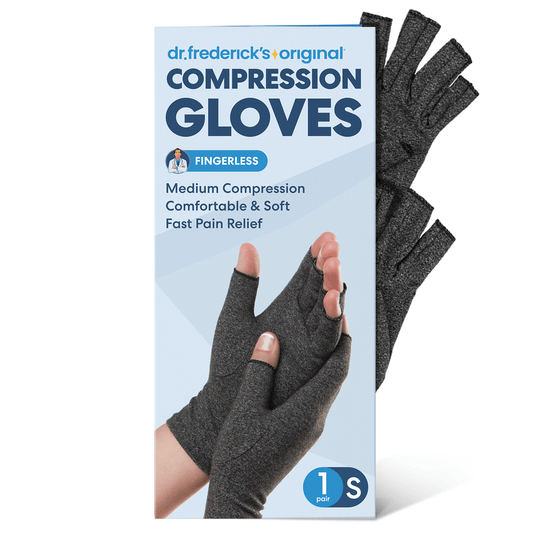
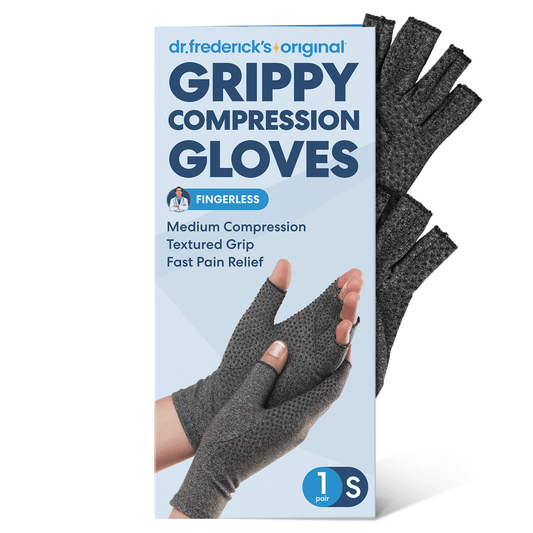
- Wear. Wear compression gloves or wrist stabilizers to support the wrist and reduce swelling during high-activity periods.
- Modify. Modify daily tasks by using larger-handled tools or ergonomic keyboards to reduce the strain on small joints.
- Rest. Rest the hands frequently during repetitive tasks to prevent fatigue and acute joint pain.
Can Arthritis be Prevented Entirely?
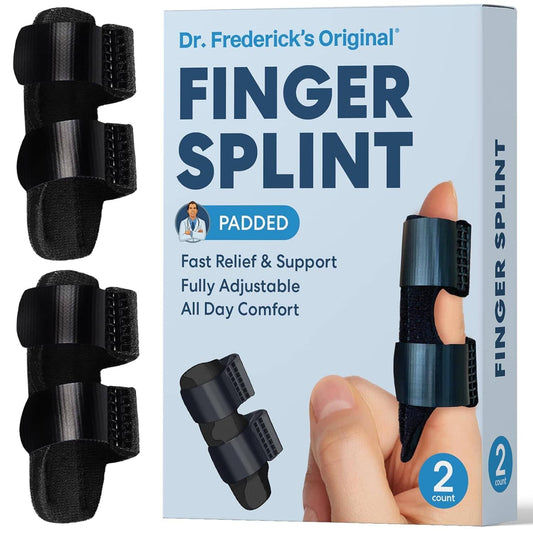
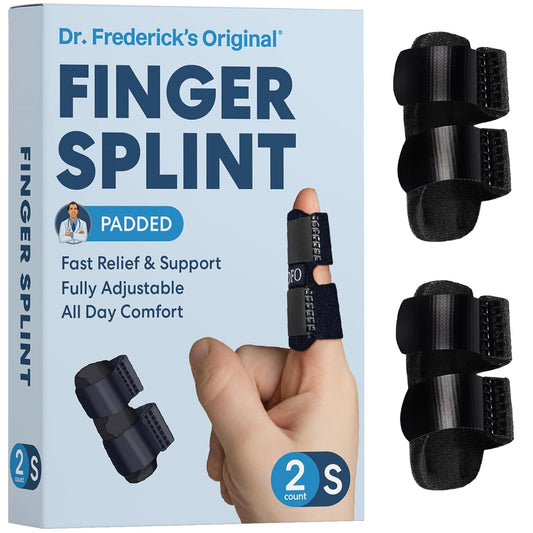
No, arthritis cannot always be prevented entirely because genetics and the natural aging process play significant roles in its development. Some patients have a hereditary predisposition to joint conditions that manifest despite healthy lifestyle choices. Wear and tear over many decades of life inevitably impacts the integrity of the cartilage for most people. However, proactive measures delay symptom onset and reduce the severity of the condition. Avoiding tobacco use and maintaining a balanced diet are essential steps in protecting long-term joint health. Early intervention with supportive devices helps customers relieve arthritis in the hands and wrists. The impact of the disease is managed effectively through consistent care, while total prevention may not be possible for everyone. Maintaining an active lifestyle helps keep joints functional and mobile for as long as possible.
Shipment
How long does Shipping Take for Arthritis Relief and Joint Support?
Shipping times for arthritis relief and joint support products depend on the destination and the selected delivery method. Standard orders arrive within three to seven business days after the processing period is complete. Most orders are prepared and dispatched from the warehouse within twenty-four to forty-eight hours of purchase. Factors (national holidays, extreme weather conditions, or high seasonal demand) influence the transit time. Customers receive a tracking number via email once the package has been handed over to the carrier for delivery. International orders require additional time for customs clearance and local postal handling in the destination country. Express options are available for clients who need their supportive gear more quickly to manage sudden pain. Timely delivery ensures that patients begin their journey toward better joint comfort without unnecessary delays in shipping.
Does Dr. Frederick's Offer Fast Shipping on Arthritis Relief and Joint Support?
Yes, Dr. Frederick's Original prioritizes efficient logistics to ensure that customers receive their joint support products as quickly as possible. The fulfillment team works diligently to process orders promptly, ensuring packages leave the facility on the same or the next business day. Choosing expedited shipping options at checkout further reduces the time the product spends in transit. The commitment to speed is important for clients who are currently experiencing a painful flare and require immediate relief. Reliable carriers are utilized to maintain a high standard of delivery performance across the country. Customers monitor the progress of their delivery through the provided tracking information updated in real-time. Fast turnaround times help minimize the period of discomfort for those waiting for their therapeutic gloves or braces.
Are Arthritis Relief and Joint Support Shipped in Discreet Packaging?
Yes, arthritis relief and joint support items are shipped in discreet packaging to protect the privacy of the recipient. The outer boxes or padded mailers do not feature large, obvious advertisements or detailed descriptions of the contents inside. Shipping arthritis relief and joint support items in discreet packaging ensures the nature of the medical or supportive purchase remains confidential during delivery. Packages arrive in standard brown or white shipping containers that look similar to any other everyday delivery. Labeling on the outside focuses on necessary shipping information (addresses and tracking barcodes). Many customers appreciate the level of privacy when ordering health-related products to their home or workplace. The secure packaging serves to protect the products from damage during transit, ensuring they arrive in perfect condition.
Is Shipping Free on Arthritis Relief and Joint Support Orders for Dr. Frederick's?
Yes, free shipping is available for arthritis relief and joint support orders that meet a specific minimum purchase threshold. Free shipping lets customers save on delivery costs when stocking up on essentials like braces, gloves, or ice packs. Promotional periods offer free shipping on all orders, regardless of the total amount spent. Information regarding current shipping rates and free delivery qualifications is clearly displayed on the checkout page. Utilizing free shipping options makes high-quality joint support more accessible and affordable for long-term management. Standard shipping is the default method for free delivery offers, providing a balance between cost-effectiveness and reasonable arrival times. Checking the website for the latest shipping promotions before finalizing a purchase is recommended.
Refund Policy
What Is the Refund Policy of Dr. Frederick's for Arthritis Relief and Joint Support?
The refund policy for arthritis relief and joint support products focuses on ensuring total customer satisfaction with every purchase. Dr. Frederick's Original offers a "Don't Like It? It's On Us" guarantee that simplifies returns for unsatisfied customers. Customers request a full refund if the product does not meet their expectations for quality or pain relief. Refund policy applies to the original purchase price and aims to provide a risk-free shopping experience for those seeking joint health solutions. Customers must contact the customer support team with the order details and a brief explanation of the issue to initiate a refund. The goal is to ensure that every person finds the right tool for their specific needs without financial worry. Clear communication and a customer-first approach define the standard procedures for handling return requests. Providing a high level of protection builds trust and confidence in the effectiveness of the orthopedic supports offered.
How Long do I Have to Request a Refund on Arthritis Relief and Joint Support?
Customers have a generous window of thirty to ninety days to request a refund on arthritis relief and joint support products. A thirty to ninety-day timeframe allows users to thoroughly test the braces or compression wear in their daily lives to see if the arthritis relief and joint support products provide the desired benefits. Joint conditions require a period of consistent use before the true effectiveness of a support is accurately determined. The specific duration of the guarantee period is clearly stated on the product page or in the shipping confirmation documents. Requests made within this designated period are processed promptly to ensure a smooth transaction for the customer. It is important to keep the order number or proof of purchase to facilitate a faster refund process. The extended return window demonstrates a commitment to the long-term well-being and satisfaction of the user base. Having ample time to evaluate the product ensures that no one feels rushed into keeping an item that does not work for them.
Can I Return Arthritis Relief and Joint Support If They Don’t Relieve the Pain?
Yes, you can return Arthritis relief and Joint support if they don’t relieve the pain. The primary purpose of Arthritis relief and Joint support items is to improve the quality of life for the user, and the company stands behind that mission. It is not the correct fit or style for that person’s unique condition if a particular brace or glove does not alleviate discomfort. Customers are encouraged to try the product for several days to allow their bodies to adjust to the new support. The return process is initiated through the official channels if no improvement is noticed after a fair trial. Providing feedback on why the product was not effective helps the team recommend a better alternative for future use. The return policy ensures that patients explore different options until they find the most effective solution for their pain.
Are Used Arthritis Relief and Joint Support Eligible for a Refund?
Yes, used arthritis relief and joint support products are eligible for a refund under the satisfaction guarantee. It is understood that a customer must wear and use a compression sleeve or brace to determine its effectiveness and comfort. This policy does not require the item to be brand-new, unlike many other retailers, or unopened, for a return to be accepted. The refund policy approach allows users to truly experience the product in their own environment and during their normal activities. The focus remains on whether the item successfully assisted the user in managing their joint symptoms. A refund will still be granted within the allowed timeframe, even if the packaging has been opened and the product has been worn. The refund policy removes the barrier to trying new health products and ensures that the customer's needs are always the top priority.