Causes of Hand and Wrist Pain
What Causes Wrist Pain and Hand Pain?
The causes of Wrist Pain and Hand Pain are listed below.
- Carpal Tunnel Syndrome: Compression of the median nerve within the carpal tunnel produces burning, tingling, and numbness across the thumb, index, and middle fingers. The condition affects 3 to 6% of the general population, with symptoms worsening during repetitive gripping or prolonged wrist flexion exceeding 4 hours daily.
- Arthritis: Osteoarthritis and rheumatoid arthritis degrade cartilage and inflame synovial tissue in finger, hand, and wrist joints, producing chronic aching pain rated 3 to 8 out of 10. Rheumatoid arthritis affects the metacarpophalangeal joints symmetrically, while osteoarthritis concentrates at the base of the thumb and distal finger joints.
- Tendinitis: Inflammation of the flexor and extensor tendons running from the forearm to the fingers produces sharp pain along the dorsal or palmar surface of the wrist during gripping or lifting. De Quervain's tendinitis, a common variant, affects the abductor pollicis longus and extensor pollicis brevis tendons, producing pain at the thumb base rated from 4 to 7 out of 10.
- Wrist Sprains: Partial or complete tears of the ligaments connecting the carpal bones produce acute pain, swelling, and instability across the radiocarpal joint. Grade 1 sprains produce mild tenderness at 2 to 3 out of 10, while Grade 3 sprains produce severe instability and pain at 7 to 9 out of 10, requiring immobilization for 4 to 8 weeks.
- Repetitive Strain Injury: Cumulative microtrauma from repetitive gripping, typing, or tool use inflames tendons, nerves, and joint capsules across the hand and wrist over weeks to months of sustained activity. Users performing repetitive tasks for 6 or more hours daily face a 40 to 60% higher risk of developing chronic strain-related pain across the metacarpal and radiocarpal joints.
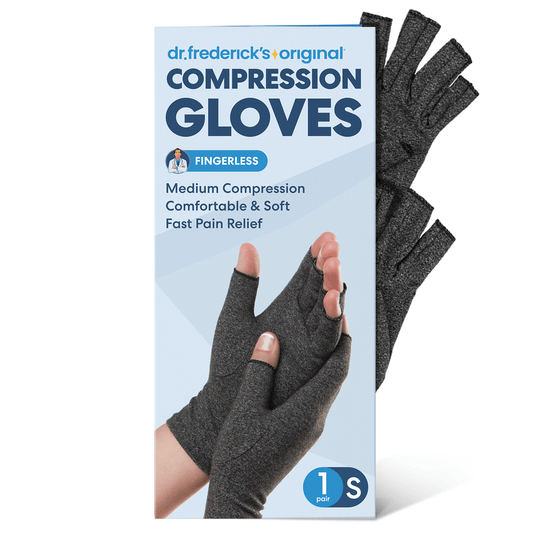
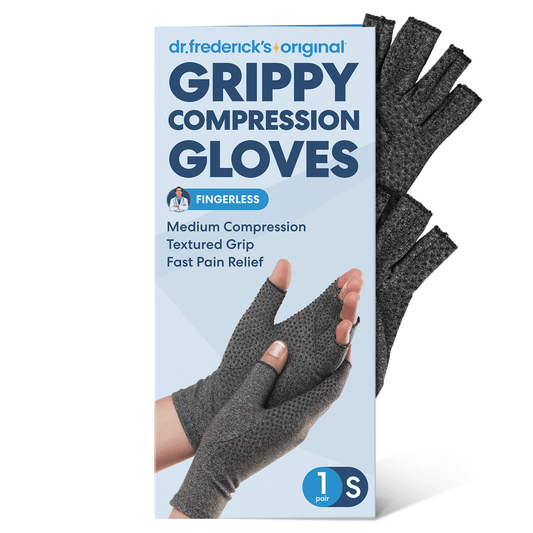
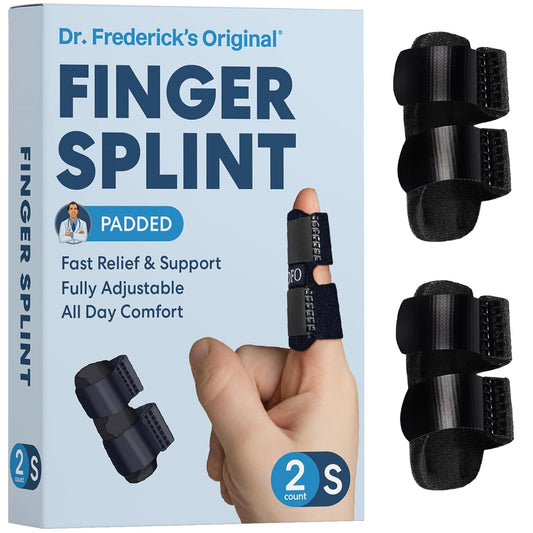
- Trigger Finger: Inflammation of the flexor tendon sheath causes the affected finger to lock or catch during flexion, producing pain at the base of the digit rated from 3 to 6 out of 10. The condition affects the ring finger and thumb most frequently, with locking episodes increasing in frequency as tendon sheath inflammation progresses without treatment. Compression gloves, finger splints, and ergonomic padding address the discomfort associated with Hand Pain across mild-to-moderate cases without surgical intervention.
Why does my Wrist Hurt when I Bend it or Put Pressure on it?
Wrist hurts when you bend it or put pressure on it because of stress or damage within the radiocarpal joint, surrounding tendons, or the ligaments connecting the carpal bones. The pain triggers occur when the wrist moves into flexion or extension beyond its comfortable range, compressing inflamed tissue or pinching nerves within the joint capsule. Flexion-related pain on the palmar surface occurs because of flexor tendon inflammation or carpal tunnel compression, while extension-related pain along the dorsal surface develops because of extensor tendon irritation or dorsal ligament strain. Carpal tunnel syndrome produces pain and tingling because of median nerve compression during wrist flexion exceeding 60 degrees, affecting the thumb, index, and middle fingers within 30 to 60 seconds of sustained bending. Wrist braces, compression sleeves, and ergonomic padding reduce bending-related joint stress by 25 to 45%, delivering measurable relief for users managing pressure-related wrist discomfort without surgical intervention.
What are the most Common Wrist Pain Locations?
The most common wrist pain locations are listed below.
- Osteoarthritis: Cartilage breakdown at the distal and proximal interphalangeal joints produces chronic aching pain rated from 3 to 7 out of 10, with bony enlargements (Heberden's and Bouchard's nodes) developing at the affected joint margins. The condition affects 70% of adults over 65, with finger joint pain worsening during gripping and pinching tasks.
- Rheumatoid Arthritis: Systemic autoimmune inflammation attacks the synovial lining of the metacarpophalangeal joints symmetrically, producing swelling, warmth, and morning stiffness lasting 45 to 60 minutes. Pain rates from 4 to 8 out of 10 during active flare-ups, with joint deformity developing over months to years of untreated inflammation.
- Trigger Finger: Inflammation of the flexor tendon sheath causes the affected finger to lock during flexion, producing pain at the digit base rated from 3 to 6 out of 10. The condition frequently affects the ring finger and thumb, with locking episodes becoming more severe as inflammation progresses.
- Gout: Monosodium urate crystal deposits within the finger joints trigger acute inflammatory attacks, producing sudden, severe pain rated from 7 to 10 out of 10. Gout affects the big toe in 50% of initial cases, but progresses to hand and finger joints in 25 to 40% of chronic cases.
- Dupuytren's Contracture: Progressive thickening of the palmar fascia pulls the ring and little fingers into a permanently flexed position, producing aching pain and functional limitation across the affected digits. The condition advances over months to years, with finger flexion contractures reaching 30 to 90 degrees in untreated cases.
What Causes Sudden Wrist Pain with no Injury?
The causes of sudden wrist pain with no injury include internal structural changes and inflammatory processes developing within the joint, tendons, or nerves without external trauma. Carpal tunnel syndrome produces sudden burning and tingling across the thumb, index, and middle fingers through progressive median nerve compression within the carpal tunnel. Gout deposits monosodium urate crystals within the radiocarpal joint, triggering acute pain rated from 7 to 10 out of 10 within hours of crystal accumulation. Rheumatoid arthritis causes spontaneous synovial inflammation, generating sudden bilateral wrist pain and morning stiffness lasting 30 to 60 minutes. Dorsal ganglion cysts compress surrounding nerves as the cyst enlarges within the wrist joint capsule, while De Quervain's tendinitis produces sudden, sharp pain at the thumb base during ordinary gripping tasks without a specific injury moment. Compression sleeves, wrist braces, and ergonomic padding reduce sudden joint stress by 25 to 45%, with Wrist Pain Relief products addressing the inflammatory and compressive mechanisms behind sudden onset pain across mild-to-moderate cases.
What are the Common Causes of Hand and Finger Joint Pain?
The common causes of hand and finger joint pain are listed below.
- Osteoarthritis: Cartilage breakdown at the distal and proximal interphalangeal joints produces chronic aching pain rated from 3 to 7 out of 10, with bony enlargements (Heberden's and Bouchard's nodes) developing at the affected joint margins. The condition affects 70% of adults over 65, with finger joint pain worsening during gripping and pinching tasks.
- Rheumatoid Arthritis: Systemic autoimmune inflammation attacks the synovial lining of the metacarpophalangeal joints symmetrically, producing swelling, warmth, and morning stiffness lasting 45 to 60 minutes. Pain rates from 4 to 8 out of 10 during active flare-ups, with joint deformity developing over months to years of untreated inflammation.
- Trigger Finger: Inflammation of the flexor tendon sheath causes the affected finger to lock during flexion, producing pain at the digit base rated from 3 to 6 out of 10. The condition affects the ring finger and thumb most frequently, with locking episodes increasing in severity as inflammation progresses without treatment.
- Gout: Monosodium urate crystal deposits within the finger joints trigger acute inflammatory attacks, producing sudden, severe pain rated from 7 to 10 out of 10. Gout affects the big toe in 50% of initial cases, but progresses to hand and finger joints in 25 to 40% of chronic cases.
- Dupuytren's Contracture: Progressive thickening of the palmar fascia pulls the ring and little fingers into a permanently flexed position, producing aching pain and functional limitation across the affected digits. The condition advances over months to years, with finger flexion contractures reaching 30 to 90 degrees in untreated cases. Gel finger sleeves, knuckle cushions, and compression gloves address the discomfort associated with common causes of Joint Pain across mild-to-moderate hand and finger conditions without surgical intervention.
Strengthen Weak Wrist and Hands
How can you Strengthen Weak Wrists and Hands?
To strengthen weak wrists and hands, follow the six steps below.
- Perform Wrist Flexion and Extension Exercises. Hold a light dumbbell (1 to 5 pounds) with the palm facing upward and curl the wrist upward through its full range of motion, completing 3 sets of 15 to 20 repetitions daily. The exercise targets the flexor carpi radialis and flexor carpi ulnaris muscles, building the primary stabilizers of the radiocarpal joint over 4 to 6 weeks of progressive loading.
- Practice Grip Strengthening. Squeeze a stress ball, grip trainer, or rolled towel at maximum contraction for 5 to 10 seconds per repetition, completing 3 sets of 15 repetitions daily. Consistent grip training increases hand grip strength by 20 to 35% over 6 to 8 weeks, directly improving the load-bearing capacity of the metacarpophalangeal and interphalangeal joints.
- Perform Radial and Ulnar Deviation Drills. Hold a hammer or weighted bar vertically and rotate the wrist from side to side through its full deviation range, completing 3 sets of 12 to 15 repetitions per direction. The drill targets the extensor carpi radialis and extensor carpi ulnaris muscles, improving lateral wrist stability by 15 to 25% over 4 to 6 weeks of regular practice.
- Execute Forearm Pronation and Supination Rotations. Hold a light dumbbell (1 to 3 pounds) with the elbow bent at 90 degrees and rotate the forearm from palm-up to palm-down through its full range, completing 3 sets of 15 repetitions daily. The rotation exercise strengthens the pronator teres and supinator muscles, improving rotational wrist stability by 20 to 30% over 6 to 8 weeks.
- Incorporate Finger Extension Resistance Training. Place a rubber band around all five fingers and spread them apart against the resistance for 5 seconds per repetition, completing 3 sets of 15 repetitions daily. Finger extension training strengthens the extensor digitorum muscle, balancing grip strength development and reducing the risk of flexor tendon overuse injuries by 25 to 40%.
- Apply Wrist Mobility Stretching. Press the palm flat against a wall with the arm extended and hold the stretch for 20 to 30 seconds, repeating 3 to 5 times per session to improve wrist flexor flexibility. Regular mobility stretching increases the functional range of motion in the radiocarpal joint by 10 to 20% over 4 to 6 weeks.
What are the Best Daily Habits to Improve Wrist Strength?
The best daily habits to improve wrist strength are listed below.
- Maintain Neutral Wrist Positioning: Keep the wrist in a neutral 0 to 10 degree position during typing, gripping, and lifting tasks to minimize radiocarpal joint stress throughout the day. Neutral wrist positioning reduces peak tendon load by 20 to 35% compared to sustained flexion or extension exceeding 30 degrees during repetitive tasks.
- Take Regular Movement Breaks: Step away from repetitive gripping or typing tasks every 30 to 45 minutes to perform 2 to 3 minutes of wrist circles, finger stretches, and forearm shakes. Regular movement breaks reduce cumulative tendon strain by 15 to 25% over an 8-hour workday, preventing the microtrauma accumulation that leads to chronic wrist weakness.
- Use Ergonomic Equipment: Replace standard keyboards, mice, and tool handles with ergonomically contoured alternatives that maintain neutral wrist alignment during prolonged use. Ergonomic equipment reduces ulnar deviation and wrist extension during desk work by 20-40%, reducing joint stress that weakens the radiocarpal stabilizers over months of daily use.
- Prioritize Sleep and Recovery: Allow 48 hours of reduced wrist loading between progressive resistance training sessions to permit tendon and ligament repair and adaptation. Adequate recovery reduces the risk of overuse injuries (tendinitis or stress fractures) by 30 to 50%, supporting consistent strength gains without chronic inflammation setbacks.
- Stay Hydrated: Drink 2 to 3 liters of water daily to maintain synovial fluid viscosity within the radiocarpal and finger joints, reducing cartilage friction during movement. Adequate hydration supports joint lubrication and tendon elasticity, reducing mechanical wear on wrist joint surfaces by 10 to 20% during repetitive daily activities.
How long does it Take to Strengthen Wrists?
It takes 4 to 8 weeks of consistent training to strengthen the wrists and produce noticeable improvements in grip strength and wrist stability. The timeframe shifts, depending on the starting fitness level, training frequency, and the type of exercises performed. Beginners who train 3 to 4 times per week tend to see measurable progress within the first month, while those recovering from injury or dealing with chronic wrist weakness require 12 to 16 weeks before reaching functional strength levels. Exercises (wrist curls, reverse wrist curls, and farmer's carries) produce progressive overload that directly targets the flexor and extensor muscles surrounding the wrist joint. Tendons and ligaments adapt at a slower rate than muscles, taking 8 to 12 weeks before showing measurable tensile strength gains, which is a key factor that determines the full wrist-strengthening timeline.
Can Weak Wrists Cause Chronic Pain?
Yes, weak wrists can cause chronic pain by placing excessive stress on the surrounding tendons, ligaments, and joints. Insufficient wrist strength forces the surrounding structures to compensate during repetitive movements, leading to inflammation and persistent discomfort over time. Conditions (carpal tunnel syndrome, tendinitis, and wrist impingement) are directly linked to prolonged muscular weakness in the wrist region. The extensor and flexor muscles of the wrist absorb load during daily activities (typing, lifting, and gripping). When the muscles lack adequate strength, the joints bear 30 to 40% more pressure than normal, accelerating wear on cartilage and connective tissue. Pain levels rated 6 to 8 on a 10-point scale are reported by users with chronic wrist weakness left unaddressed for 3 to 6 months, making early wrist strengthening a necessary step toward long-term joint health.
Wrist Pain Treatment
What are the most Effective Treatments for Wrist Pain?
The most effective treatments for wrist pain are listed below.
- Rest and Immobilization: Reducing wrist movement through splints or braces limits further strain on injured tendons and ligaments. A 2- to 6-week rest period is standard for mild to moderate wrist injuries. Rigid splints maintain the wrist at a neutral angle of 0 to 15 degrees to minimize joint stress.
- Physical Therapy: Structured rehabilitation programs target the flexor and extensor muscles through progressive resistance exercises. Sessions typically run 3 to 5 times per week over 6 to 12 weeks. Grip strength improvements of 20 to 40% are achievable through consistent guided therapy.
- Anti-Inflammatory Medication: Nonsteroidal anti-inflammatory drugs (NSAIDs) (ibuprofen and naproxen) reduce swelling and pain signals within 24 to 72 hours of use. Standard dosages range from 200 to 500 mg per intake, depending on the prescribed regimen. Prolonged use beyond 2 weeks requires medical supervision to avoid gastrointestinal complications.
- Corticosteroid Injections: Direct injections into the wrist joint deliver concentrated anti-inflammatory relief for moderate to severe pain. Effects last 6 to 12 weeks per injection, with a maximum of 3 injections per year recommended. The wrist pain relief rate from corticosteroid treatment reaches up to 80% in clinical studies.
- Surgery: Surgical intervention addresses structural damage (torn ligaments, fractured carpal bones, and severe carpal tunnel compression) unresponsive to conservative care. Recovery periods range from 8 to 16 weeks post-operation. Procedures (arthroscopy and ligament reconstruction) carry success rates of 85 to 95% for restoring wrist function.
What is the Best Treatment for Wrist Pain from Overuse?
The best treatment for wrist pain from overuse is active rest combined with targeted physical therapy, as the approach addresses both immediate inflammation and the underlying muscular imbalances driving repetitive strain. Active rest limits aggravating movements without full immobilization, preserving circulation and preventing stiffness in the affected tendons and joints. A structured rest period of 1 to 3 weeks is standard before progressive rehabilitation exercises are introduced. Physical therapy protocols incorporate eccentric strengthening exercises, joint mobilization, and soft tissue massage to restore function. Eccentric wrist curls performed at 3 sets of 15 repetitions, 4 times per week, reduce tendon pain by 60 to 70% over 6 to 8 weeks. Ice therapy applied for 15 to 20 minutes post-activity controls localized inflammation during early recovery. Addressing load management, grip mechanics, and movement patterns prevents recurrence of wrist pain from overuse beyond the initial treatment phase.
When should you See a Doctor for Wrist or Hand Pain?
You should see a doctor for wrist or hand pain when symptoms persist beyond 1 to 2 weeks despite rest, or when pain intensity reaches 7 or higher on a 10-point scale. Sudden onset of pain following impact or trauma, visible deformity, and rapid swelling signal potential fractures or ligament tears requiring immediate medical evaluation. Numbness, tingling, or weakness radiating from the wrist into the fingers indicates possible nerve compression (carpal tunnel syndrome or ulnar nerve entrapment) demanding prompt clinical assessment. Delayed medical attention beyond 4 to 6 weeks increases the risk of permanent joint damage, scar tissue formation, and chronic mobility restrictions by 30 to 50%. Loss of grip strength exceeding 20% compared to the unaffected hand, combined with the inability to perform daily tasks (writing, gripping, and lifting), confirms the need for professional diagnosis and structured treatment for wrist or hand pain.
What Medications or Therapies Help with Hand Pain Treatment?
Medications or therapies that help with hand pain treatment are listed below.
- NSAIDs (Nonsteroidal Anti-Inflammatory Drugs): Medications (ibuprofen and naproxen) reduce inflammation and pain signals within 24 to 72 hours of intake. Standard dosages range from 200 to 500 mg per dose, with a maximum daily intake of 1,200 to 1,500 mg for over-the-counter formulations. Prolonged use beyond 10 to 14 days requires medical supervision to prevent gastrointestinal and cardiovascular complications.
- Topical Analgesics: Creams and gels (diclofenac sodium and lidocaine-based formulas) deliver localized pain relief directly to the affected hand tissues. Absorption rates reach the target tissue within 20 to 45 minutes of application. Topical treatments reduce systemic side effects by 60 to 70% compared to oral medications.
- Corticosteroid Injections: Direct injections into inflamed hand joints deliver concentrated anti-inflammatory relief lasting 6 to 12 weeks per session. The standard clinical recommendation is a maximum of 3 injections per year per joint. Pain reduction rates of 75 to 85% are reported within 48 to 72 hours post-injection.
- Occupational Therapy: Structured hand rehabilitation programs address grip strength, fine motor control, and joint flexibility through progressive exercise protocols. Sessions run 2 to 4 times per week over 8 to 12 weeks for moderate hand conditions. Functional improvement rates of 40 to 60% are achievable through consistent occupational therapy intervention.
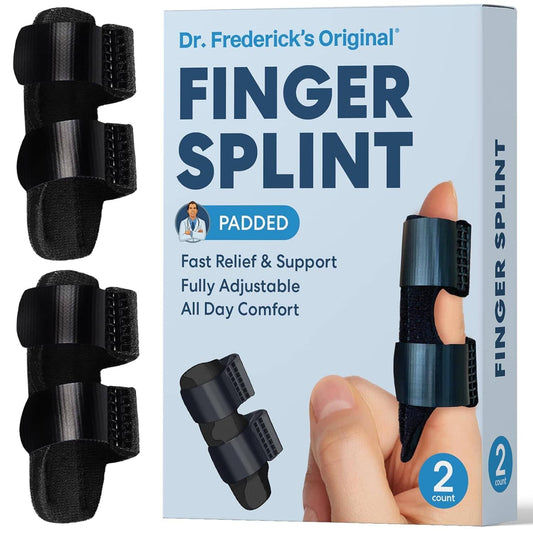
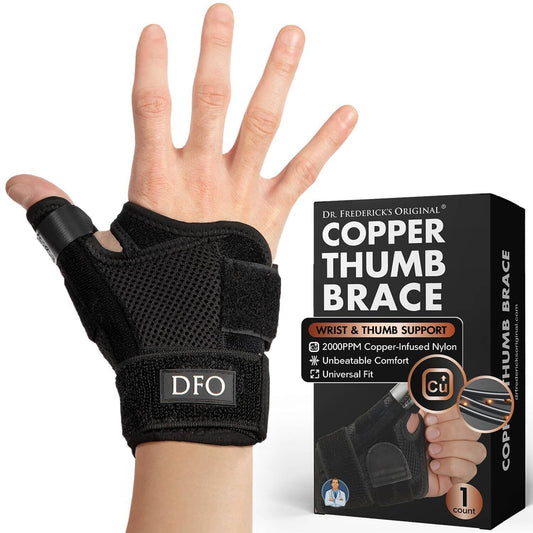
- Splinting and Orthotic Support: Rigid or semi-rigid splints immobilize affected joints at a neutral position to reduce strain on tendons and ligaments. Wearing splints for 6 to 8 hours daily, particularly during sleep, decreases nighttime pain by 50 to 65%. Custom orthotics fitted by a hand specialist provide targeted support for conditions (rheumatoid arthritis and trigger finger) contributing to chronic hand pain treatment needs.
Can Wrist Pain be a Sign of a Serious Condition?
Yes, wrist pain can be a sign of a serious condition when accompanied by persistent swelling, structural deformity, or progressive loss of function lasting beyond 2 to 3 weeks. Conditions (rheumatoid arthritis, avascular necrosis of the scaphoid, and triangular fibrocartilage complex tears) produce chronic wrist pain that worsens without proper medical intervention. Rheumatoid arthritis affects the wrist joint in 60 to 70% of diagnosed cases, causing cartilage breakdown and permanent joint deformity when left untreated for 6 to 12 months. Avascular necrosis restricts blood supply to the carpal bones, leading to bone death within 3 to 6 months of onset without treatment. Nerve-related conditions (carpal tunnel syndrome and Kienbock's disease) produce radiating pain, numbness, and grip weakness that deteriorate by 30 to 50% over time without clinical management. Fractures of the scaphoid bone are misdiagnosed as sprains in 25% of cases, delaying treatment and increasing non-union rates to 30 to 40%, making early medical evaluation critical for identifying the true cause of wrist pain.
Wrist and Hand Pain Prevention
How can you Prevent Wrist Pain and Hand Pain in Daily Life?
You can prevent wrist pain and hand pain in daily life by following the five steps below.
Maintain Proper Wrist Alignment. Keeping the wrist in a neutral position during repetitive tasks (typing, lifting, and gripping) reduces tendon strain by 30 to 40%. Ergonomic keyboards and padded wrist rests maintain the wrist at a 0 to 15-degree angle during desk work. Neutral wrist positioning prevents excessive flexion and extension that accelerates tendon wear over time.
Perform Regular Wrist and Hand Stretches. Stretching the flexor and extensor muscles for 20 to 30 seconds per stretch, 3 to 5 times daily, maintains joint flexibility and reduces stiffness. Wrist circles, finger extensions, and prayer stretches target the primary muscle groups surrounding the wrist and hand joints. Consistent daily stretching decreases the risk of repetitive strain injuries by 25 to 35% over a 3 to 6 month period.
Strengthen the Wrist and Forearm Muscles. Progressive resistance training (wrist curls, reverse curls, and farmer's carries) builds the muscular support needed to protect wrist joints during load-bearing activities. Training 3 to 4 times per week using weights ranging from 2 to 10 lbs develops adequate forearm and wrist strength within 6 to 8 weeks. Stronger forearm muscles reduce the compressive load on wrist joints by 20 to 30% during daily activities.
Use Supportive Gear During High-Risk Activities. Wrist braces and compression wraps provide external joint support during activities (weightlifting, sports, and manual labor) that place high mechanical demands on the wrist. Braces maintaining a neutral wrist angle reduce injury risk by 40 to 50% during repetitive or high-load tasks. Proper gear selection based on activity type and wrist condition determines the level of protection achieved.
Take Frequent Movement Breaks. Resting the wrist and hand for 5 to 10 minutes every 45 to 60 minutes of continuous repetitive activity prevents cumulative tendon overload. Microbreaks reduce inflammation buildup in the tendon sheaths by 20 to 40% over an 8-hour workday. Alternating between tasks that use different muscle groups further distributes mechanical stress away from the wrist and hand, lowering the long-term risk of chronic wrist pain and hand pain in daily life.
What Ergonomic Changes Help Prevent Wrist Pain from Work or Typing?
Ergonomic changes to help prevent wrist pain from work or typing are listed below.
- Keyboard Placement and Height: Positioning the keyboard at elbow height keeps the wrist in a neutral alignment during typing, reducing tendon strain by 25 to 35%. A keyboard placed 1 to 2 inches above the thighs while seated prevents excessive wrist extension or flexion during prolonged use. Negative tilt keyboards, angled downward at 5 to 10 degrees, further reduce wrist deviation compared to flat or positively tilted surfaces.
- Wrist Rest Support: Padded wrist rests maintain the wrist at a 0 to 15-degree neutral angle during typing breaks, reducing pressure on the carpal tunnel by 20 to 30%. Gel-filled wrist rests distribute contact pressure more evenly across the wrist surface compared to firm foam alternatives. Wrist rests serve as a resting support and not an active typing aid, as continuous contact during keystrokes increases compressive load on the median nerve.
- Mouse Positioning and Type: Placing the mouse at the same height as the keyboard and within close reach prevents ulnar deviation of the wrist during extended use. Vertical mice reduce forearm pronation by 40 to 60% compared to standard horizontal mice, decreasing rotational strain on the wrist tendons. Trackball mice eliminate repetitive wrist movement entirely, making the option beneficial for users with existing wrist conditions.
- Monitor Height and Distance: Positioning the monitor at eye level, 20 to 30 inches from the face, prevents forward head posture that indirectly increases tension in the forearm and wrist muscles. A monitor placed too low forces the neck and shoulders into a flexed position, increasing wrist strain by 15 to 25% through postural compensation. Adjustable monitor stands and arms provide precise height control to maintain neutral spinal and wrist alignment simultaneously.
- Typing Technique and Key Force: Striking keys with a light, controlled force rather than aggressive pressing reduces impact stress transmitted to the wrist joints and tendons. Mechanical keyboards with actuation forces ranging from 45 to 60 grams provide tactile feedback that discourages excessive keystroke pressure. Proper finger positioning with relaxed, slightly curved fingers distributes typing load evenly across the hand, reducing localized strain that contributes to chronic wrist pain from work or typing.
What Lifestyle Habits Reduce the Risk of Hand and Wrist Pain?
Lifestyle habits that reduce the risk of hand and wrist pain are listed below.
- Maintaining a Balanced Diet: Consuming anti-inflammatory foods (fatty fish, leafy greens, and berries) reduces systemic inflammation that contributes to joint pain and tendon degeneration. Omega-3 fatty acids found in salmon and mackerel decrease inflammatory markers by 20 to 30% with regular intake of 1 to 3 grams daily.
- Staying Hydrated: Maintaining adequate daily water intake of 2 to 3 liters keeps joint cartilage and tendon sheaths properly lubricated, reducing friction-related wear during repetitive hand movements. Dehydration decreases synovial fluid production in the wrist joint, increasing cartilage compression stress by 15 to 25% during load-bearing activities.
- Prioritizing Quality Sleep: Deep sleep stages trigger the release of growth hormone, which repairs micro-damage in tendons and ligaments sustained during daily hand and wrist use. Adults requiring 7 to 9 hours of sleep per night allow adequate tissue regeneration cycles that reduce cumulative injury risk by 20 to 35%.
- Managing Body Weight: Excess body weight increases the compressive load on wrist joints during weight-bearing activities (push-ups, planks, and manual labor) by 10 to 20% per additional 10 lbs of body weight. Maintaining a body mass index (BMI) from 18.5 to 24.9 reduces mechanical stress on the upper extremity joints, including the wrist and hand.
- Avoiding Repetitive Overuse Without Recovery: Alternating high-demand hand and wrist tasks with adequate rest periods of 5 to 10 minutes every 45 to 60 minutes prevents tendon overload and micro-tear accumulation. Repetitive strain injuries develop after sustained overuse periods exceeding 4 to 6 hours without structured recovery breaks.
How to Avoid Wrist Pain during Workouts or Gym Training?
To avoid wrist pain during workouts or gym training, follow the five steps below.
- Warm Up the Wrists Before Training. Performed wrist circles, flexion and extension stretches, and forearm rotations for 5 to 10 minutes before lifting, which activates the joint fluid and prepares the tendons for mechanical load. A proper warmup increases blood flow to the wrist tendons by 20 to 30%, reducing the risk of acute strain during heavy compound movements.
- Use Proper Grip Technique. Grip the barbell or dumbbell with a full, closed grip, which positions the wrist in a neutral alignment that distributes load evenly across the forearm muscles and wrist joint. A false grip or thumbless hold increases wrist deviation by 15 to 25 degrees, placing excessive rotational stress on the carpal ligaments.
- Progress Loads Gradually: Increasing training weight by no more than 5 to 10% per week prevents sudden spikes in mechanical stress on the wrist tendons and joint capsule. Rapid load increases beyond 15% per week are associated with a 35 to 50% higher rate of overuse injuries in the wrist and forearm.
- Wear Wrist Wraps or Supports During Heavy Lifts: Wrist wraps provide external compression and stability during maximal effort lifts (heavy bench press, overhead press, and clean and jerk), reducing wrist hyperextension by 30 to 45%. Wraps with a length of 18 to 24 inches offer adequate coverage for the wrist joint without restricting forearm circulation.
- Modify Exercises That Aggravate the Wrist: Substituting standard barbell movements with neutral-grip dumbbell or cable variations reduces wrist deviation and compressive stress during pushing and pulling exercises. Neutral grip pressing reduces wrist joint load by 20 to 35% compared to pronated barbell grip positions.
Can Regular Exercises Prevent Wrist Pain Completely?
No, regular exercise cannot prevent wrist pain completely, though consistent training significantly reduces the frequency, severity, and duration of wrist pain episodes. Strengthening the flexor and extensor muscles surrounding the wrist joint decreases mechanical stress on the carpal ligaments and tendons by 20 to 40%, lowering injury risk during repetitive and load-bearing activities. Structured wrist conditioning programs reduce the incidence of overuse injuries by 30 to 50% over a 6 to 12 month training period. Anatomical joint abnormalities, autoimmune conditions, and traumatic injuries produce wrist pain independent of muscular strength levels, making complete prevention through exercise alone unrealistic. Rheumatoid arthritis, affecting 1 to 2% of the global population, causes progressive joint inflammation driven by immune dysfunction rather than muscular weakness. Combining regular wrist strengthening exercises with ergonomic adjustments, proper movement mechanics, and routine clinical monitoring provides the most comprehensive approach to minimizing chronic wrist pain across physically active and sedentary lifestyles.
Shipment
How Long does Shipping Take for Hand and Wrist Relief?
Shipping for hand and wrist relief products takes 3 to 7 business days for standard domestic delivery and 7 to 21 business days for international orders, depending on the carrier, destination, and product type. Braces, splints, and compression wraps shipped through standard ground services arrive within 3 to 5 business days, while expedited options (2-day and overnight shipping) reduce delivery times to 1 to 2 business days at an additional cost ranging from $5 to $30. Medical-grade wrist supports and custom orthotics ordered through specialty suppliers require 10 to 14 business days due to fabrication and quality inspection processes prior to dispatch. Rural and remote destinations extend standard delivery timelines by 2 to 5 additional business days compared to urban locations. Tracking systems provided by major carriers offer real-time delivery updates that confirm estimated arrival windows for hand and wrist relief product shipping.
Does Dr. Federick's Offer Fast Shipping on Hand and Wrist Relief?
Yes, Dr. Frederick's offers fast shipping on hand and wrist relief products, with standard domestic delivery completed within 3 to 5 business days and expedited options available for faster fulfillment. Orders placed before the daily cutoff time qualify for same-day processing, reducing the overall transit period from order confirmation to doorstep delivery. Expedited shipping upgrades deliver hand and wrist relief products within 1 to 2 business days, depending on the destination zone and carrier availability. Free standard shipping is available on orders exceeding the minimum purchase threshold, making it accessible to customers who require multiple hand and wrist relief items. Priority handling applies to medical-grade braces and orthotic supports, ensuring proper packaging and quality checks before dispatch. Customers tracking active orders receive real-time carrier updates that confirm estimated delivery windows, providing full visibility throughout the Dr. Frederick's fast shipping process for hand and wrist relief products.
Are Hand and Wrist Relief Shipped in Discreet Packaging?
Yes, hand and wrist relief products are shipped in discreet packaging, with plain, unmarked exterior boxes or mailers that conceal the contents and brand identity during transit. Standard discreet packaging practices remove product descriptions, brand logos, and medical terminology from the outer packaging surface, ensuring privacy from dispatch to delivery. Plain brown boxes and white poly mailers are the primary packaging formats used for shipping hand and wrist relief products discreetly. Interior packaging includes protective cushioning materials (bubble wrap and foam inserts) that secure braces, splints, and compression wraps during transit without adding identifying information to the outer surface. Packing slips included inside the package list the order contents in neutral, non-descriptive language to maintain confidentiality. Customers expecting deliveries at shared addresses (apartments and office buildings) benefit from the privacy maintained throughout the discreet packaging process for hand and wrist relief shipments.
Is Shipping Free on Hand and Wrist Relief Orders for Dr. Federick's?
Yes, free shipping on hand and wrist relief orders for Dr. Federick's that meet a minimum purchase threshold, making the benefit accessible for customers consolidating multiple products in a single order. The free shipping qualifier applies to standard domestic ground delivery, with orders dispatched within 1 to 2 business days of purchase confirmation. Products (wrist braces, compression wraps, and orthotic supports) ordered together frequently meet the minimum spend requirement for free shipping eligibility. Orders falling below the minimum purchase threshold incur standard shipping fees ranging from $5 to $10, depending on the destination zone and package weight. Expedited and overnight delivery options carry additional charges regardless of order value, as the free shipping benefit applies exclusively to standard ground service. Customers reviewing order totals at checkout receive a clear breakdown of applicable shipping costs and eligibility status before completing purchases through Dr. Frederick's free shipping program for hand and wrist relief orders.
Refund Policy
What Is the Refund Policy of Dr. Federick's for Hand and Wrist Relief?
The refund policy of Dr. Frederick's for hand and wrist relief products allows customers to return eligible items within 30 days of the delivery date for a full refund, provided the products remain unused and in their original packaging. Refund requests initiated after the 30-day window are evaluated on a case-by-case basis, with store credit offered as an alternative resolution for late submissions. Damaged or defective products qualify for immediate replacement or full refund without requiring return shipment of the original item. Refunds are processed within 5 to 10 business days of return receipt confirmation, with the credited amount returned to the original payment method used during purchase. Opened or used braces and orthotic supports are subject to a restocking fee ranging from 15 to 20% of the original purchase price, depending on the product condition upon return.
How Long do I Have to Request a Refund on Hand and Wrist Relief?
It takes 30 days to request a refund on Hand and wrist relief from Dr. Frederick's, provided the items meet the return eligibility conditions outlined in the refund policy. The 30-day window begins on the confirmed delivery date recorded by the carrier tracking system, giving customers a clear and measurable timeframe for initiating return requests. Unused products returned in original packaging within the 30 days qualify for a full refund processed within 5 to 10 business days. Refund requests submitted beyond the 30-day deadline are reviewed individually, with store credit issued as the primary resolution for late-stage returns that meet partial eligibility conditions. Defective or damaged items fall outside the standard 30-day limitation, qualifying for a refund or replacement regardless of the submission date. Contacting Dr. Frederick's customer support team promptly after identifying product issues ensures the fastest resolution and full eligibility for the refund on hand and wrist relief products within the stated return window.
Can I Return Hand and Wrist Relief If They Don’t Relieve the Pain?
Yes, you can return hand and wrist relief products from Dr. Frederick's, provided the return request falls within the 30-day refund window from the confirmed delivery date. Unused and unopened products returned within the eligible period qualify for a full refund processed within 5 to 10 business days to the original payment method. Opened products that demonstrate no measurable relief are evaluated individually, with refund or store credit offered depending on the condition and usage level of the returned item. Documenting the lack of relief through written communication with Dr. Frederick's customer support team strengthens the return case and accelerates resolution. Customers experiencing persistent hand and wrist pain despite product use are encouraged to consult a medical professional alongside initiating the return process. Dr. Frederick's customer support team provides return label assistance and guides customers through the complete process of returning hand and wrist relief products that fail to meet pain relief expectations.
Are Used Hand and Wrist Relief Eligible for a Refund?
Yes, used hand and wrist relief products are eligible for a refund under specific conditions, though the return is subject to evaluation based on the extent of use and the item's condition upon return. Used products returned within the 30-day refund window are assessed individually, with partial refunds or store credit issued depending on the product condition at the time of return. Heavily used or visibly worn braces, splints, and compression wraps are subject to a restocking fee ranging from 15 to 20% of the original purchase price before the refund amount is finalized. Defective or damaged products that fail during normal use qualify for a full refund or replacement, regardless of the usage level at the time of the return request. Photographic documentation of the product condition submitted alongside the return request accelerates the evaluation process and supports full refund eligibility. Contacting Dr. Frederick's customer support team within the 30-day return period ensures proper assessment and resolution for used hand and wrist relief refund requests.