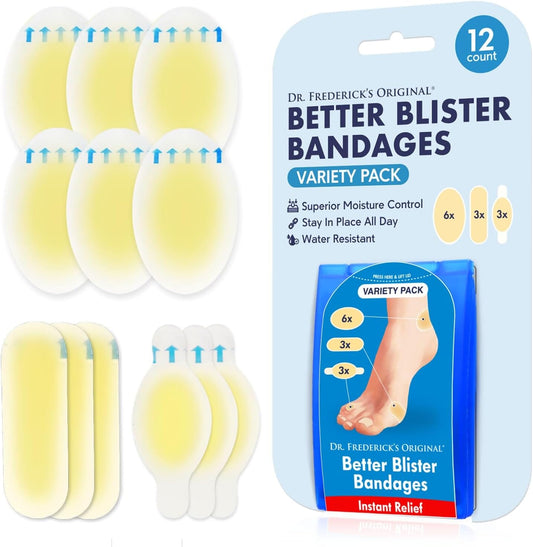
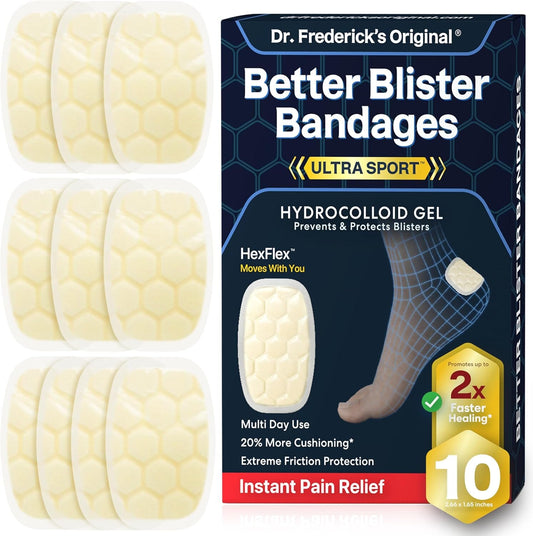
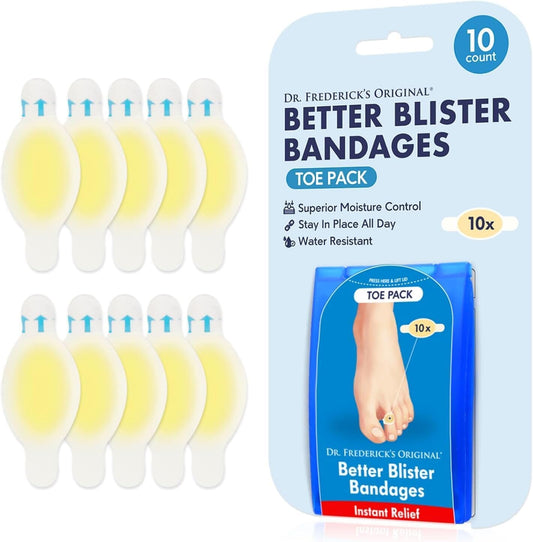
General Information About Blister Bandages
What are Blister Bandages?
The kinds of blister bandages are listed below.
- Hydrocolloid: The material absorbs moisture to form a protective gel over the wound. A moist environment facilitates faster skin cell regeneration.
- Protective layer: The external surface shields the sensitive area from further friction and impact. Durable materials ensure the bandage remains intact during physical movement.
- Adhesive seal: Strong medical glue keeps the bandage securely in place for multiple days. The seal prevents dirt and water from contaminating the blister.
How do Blister Band Aids Work?
Blister bandages work by creating a moist and sterile environment directly over the injured skin. The hydrocolloid material reacts with the blister's natural fluid to form a soft gel. The gel layer acts as a second skin, reducing pressure on the exposed nerves. Healing accelerates because the wound remains hydrated and protected from the outside air. The thick padding of the bandage absorbs the friction that caused the injury in the first place. The mechanical barrier stops the blister from rupturing or tearing further. Pain levels drop immediately once the sensitive area is sealed and cushioned. Long-lasting adhesion ensures that the recovery process continues undisturbed for several days.
The bandage’s ability to stay securely in place for an extended period means fewer changes, making it convenient. The waterproof feature protects the blister from dirt and moisture, reducing the risk of infection. Blister bandages contribute to faster, more efficient healing by maintaining a stable environment.
What is the Difference Between Blister Band Aids and Regular Bandages?
The difference between blister bandages and regular bandages lies in the materials and their healing mechanisms. Regular bandages use a simple gauze pad to absorb blood and a basic adhesive to hold it in place. Blister bandages utilize hydrocolloid technology to create a gel-covered environment for the wound. Standard dressings are designed for dry healing, whereas blister pads promote moist healing. Regular bandages offer very little cushioning against impact and friction. Blister bandages provide a thick physical barrier that absorbs pressure from footwear. The adhesive on a blister pad is much stronger and waterproof compared to traditional plastic or fabric strips. A blister bandage stays on the skin for many days, while a regular bandage requires frequent changes.
Blister bandages offer superior comfort by minimizing pain and reducing pressure on the affected area. The gel layer in blister pads helps to speed up the healing process by keeping the wound moist, unlike regular bandages that dry out. The moisture-retention properties protect the blister and reduce the likelihood of scarring, making blister bandages an effective choice for long-term healing.
Application and Usage
How to Use a Blister Bandage?
To use a blister bandage, follow the five steps below.
- Clean. Wash the affected area with mild soap and water. Proper hygiene prevents bacteria from being trapped under the adhesive.
- Dry. Pat the skin completely dry with a clean towel. Adhesive performance decreases when moisture remains on the surface.
- Apply. Place the hydrocolloid pad directly over the center of the blister. Centering the bandage ensures maximum cushioning and protection.
- Press. Smooth the edges firmly against the skin to create a seal. Proper adhesion prevents the dressing from peeling off during daily activities.
- Leave. Keep the bandage on the skin until the edges begin to lift naturally. Removing the dressing too early disrupts the healing process.
How Long to Leave a Blister Band Aid On?
A blister bandage should remain on the skin until it begins to detach naturally. The remainder of the bandage on the skin takes between three and seven days, depending on the location and activity level. The strong adhesion is necessary to protect the new skin forming underneath the hydrocolloid layer. Removing the bandage too soon can tear the fragile skin and reset the healing timeline. The dressing acts as a scab and provides a constant barrier against bacteria and friction. Leaving it on is the best practice. Natural loosening indicates that the healing process is nearing completion if the bandage remains secure and the wound is not showing signs of infection.
Gently peel it off once the bandage begins to loosen, ensuring no discomfort or disruption to the healing skin. The wound is best treated with a fresh bandage for ongoing protection. The wound is critical to keep an eye out for any indications of infection (redness, swelling, or pus) if it continues to feel painful or sensitive, and needs to be treated by a medical professional.
Can I Put a Band Aid on an Open Blister?
Yes, a blister bandage is designed for use on open or popped blisters. The hydrocolloid material provides a sterile cover that replaces the lost skin and protects the raw area. The gel formed by the bandage keeps the open wound moist to prevent the formation of a hard scab. A moist environment allows new skin cells to migrate more easily across the surface. The seal prevents bacteria from entering the open wound and causing a painful infection. The pad's cushioning reduces the sting and discomfort associated with exposed nerves. Users must ensure the area is clean before applying the dressing to prevent trapping debris. The bandage provides the necessary protection for the open skin to regenerate safely.
Foot and Heel Specific Questions
How to Prevent Heel and Toe Blisters?
To prevent heel and toe blisters, follow the four steps below.
- Wear. Choose properly fitted shoes that do not rub against the skin. Shoes that are too tight or too loose contribute to friction.
- Use. Select moisture-wicking socks to keep the feet dry during activity. Damp skin is susceptible to tearing and irritation.
- Apply. Place protective bandages on known friction spots before beginning a long walk or run. Pre-emptive shielding prevents the initial skin damage.
- Keep. Maintain dry and clean feet throughout the day. Changing socks after intense exercise reduces the risk of blister formation.
How do Heel Bandages for Blisters Work?
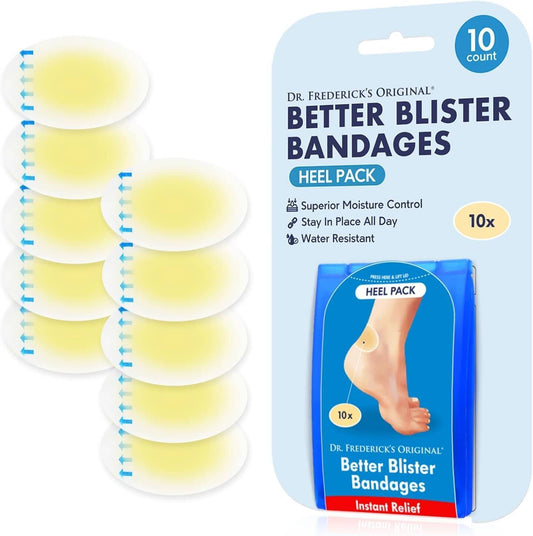
Heel bandages for blisters work by providing a thick, contoured shield over the back of the foot. The bandage's large surface area ensures the entire friction zone is covered and protected. Hydrocolloid technology absorbs the moisture from the skin to form a protective cushion between the shoe and the heel. Heel bandages for blisters eliminate the direct rubbing that causes the skin to blister and peel. The strong adhesive is designed to withstand the heavy movement and pressure of walking. Heel pads are shaped to follow the curve of the calcaneus to prevent edge lifting. The waterproof seal keeps the area dry even when wearing sweaty shoes or walking in the rain. Consistent protection allows the skin to heal even while the person remains active.
The padded layer improves comfort, reducing pain and discomfort when walking or standing for long periods. The flexible design ensures that the bandage moves with the foot, preventing any irritation from movement. Users benefit from the long-lasting protection, reducing the need for frequent reapplication during physical activities.
Are There Bandages for Shoes and Runners?
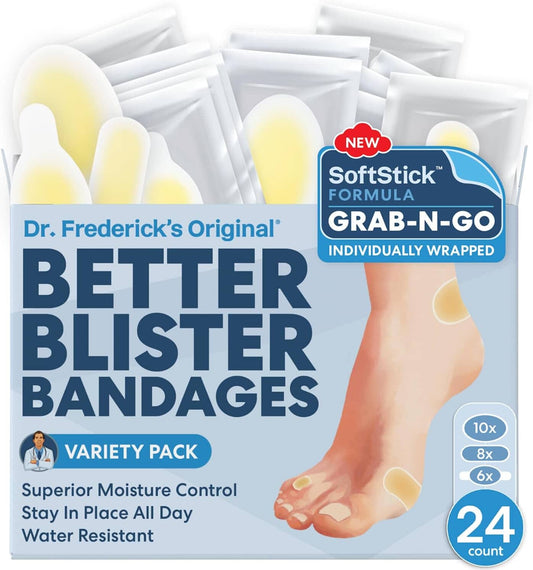
Yes, there are bandages for shoes and runners. Bandages for shoes and runners are engineered to survive the high friction and moisture of long-distance running. The hydrocolloid material provides 40% cushioning than standard bandages to protect the feet during impact. Runners apply the bandages to the heels, toes, and balls of the feet where friction is common. The waterproof, sweatproof adhesive ensures the dressing stays in place throughout a race or training session. Using bandages prevents interruptions to a training schedule due to painful foot injuries. Specialized shapes fit easily into running shoes without causing discomfort or altering the fit. Active users rely on the products for consistent foot health and performance.
The bandages for shoes and runners are designed to offer durable protection without compromising the foot's natural movement. The bandage's flexibility ensures it adapts to various foot shapes, providing customized coverage for each runner. The bandages for shoes and runners improve overall comfort, allowing runners to focus on their performance without worry by reducing friction and preventing blisters.
Blister and Related Conditions
How do I Protect a Calcaneal Spur with a Bandage?
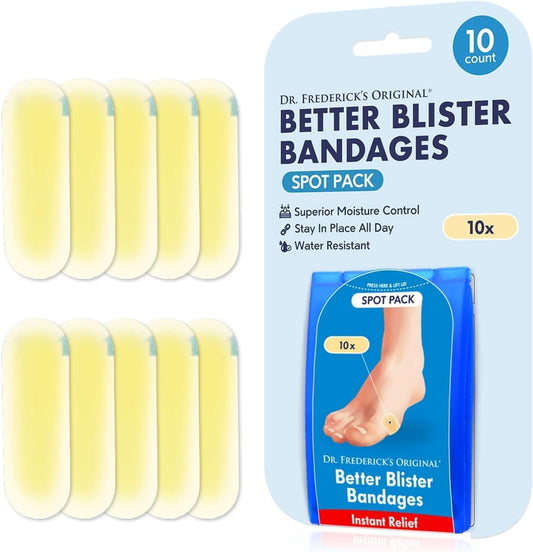
You can protect a calcaneal spur with a bandage by using a thick, cushioned dressing to reduce direct pressure on the area. A calcaneal spur often irritates the surrounding soft tissue when it rubs against the back of a shoe. Placing a hydrocolloid bandage over the sensitive spot provides a mechanical barrier that absorbs impact. The extra cushioning of a physician-designed pad redistributes the pressure away from the bony growth. The treatment helps prevent the development of a secondary blister or skin breakdown over the spur. The dressing remains secure for several days to provide continuous relief during daily walking. Consistent use of a protective pad reduces the inflammation of the skin in that region.
The pad promotes faster healing of the affected tissue by alleviating direct friction, allowing it to recover without further irritation. The bandage’s durable adhesive ensures it stays in place even with prolonged use, providing reliable protection. Users experience fewer flare-ups of pain and discomfort, supporting better foot health in the long term as a result. Managing the discomfort of a Calcaneal Spur requires reliable cushioning.
Can Blister Bandages Help Burn Blisters?
Yes, blister bandages can help burn blisters. Blister bandages are designed to protect the affected area, reduce pain, and promote faster healing by maintaining a moist environment around the blister. The hydrocolloid material in many blister bandages forms a gel when it interacts with the blister fluid, which helps cushion and prevent further damage from friction or external elements. Applying a blister bandage helps shield the burn blister from dirt and bacteria, reducing the risk of infection. The bandages are effective in preventing additional irritation from clothing or other surfaces, allowing the skin to heal. The effectiveness in preventing additional irritation from clothing or other surfaces makes blister bandages a suitable option for protecting burn blisters and accelerating the recovery process.
The bandages create a barrier that helps keep the blister from popping, which leads to increased pain and a longer healing time. The bandage's ability to stay securely in place for extended periods minimizes the need for frequent dressing changes, promoting consistent protection. By preventing external pressure and friction, blister bandages help manage discomfort and support the natural healing process of burn blisters.
Can Blister Bandages Relieve Heel Spur Pain?
Yes, blister bandages relieve heel spur pain. The thick hydrocolloid pad reduces the direct impact of the heel hitting the ground during each step. The cushioning minimizes soft-tissue irritation, while the bandage does not address the underlying bone growth. The adhesive dressing stays in place to provide consistent protection throughout the day inside the shoe. The adhesive dressing prevents the skin over the spur from becoming red, inflamed, or blistered. Users find that the extra padding makes standing and walking more comfortable for longer periods. The bandage serves as a temporary soft cushion for the foot.
The cushioning helps to alleviate the pressure on the spur, reducing discomfort during physical activities. The waterproof adhesive ensures the bandage remains intact even when sweating or exposed to moisture. Blister bandages provide a simple and effective solution to manage heel spur discomfort while allowing for regular movement with continued use. Patients reduce the sensitivity of Heel Spurs using the protective layers.
Shipping and Return
How long does shipping take for Blister Bandages?
Shipping for blister bandages takes between three and five business days for standard domestic orders. Order processing occurs within 24 hours of the purchase being placed on the website. Delivery times vary based on the destination and the selected shipping method at checkout. Customers receive a tracking number via email to monitor their package's progress. Expedited shipping options are available for users who need immediate foot protection for upcoming events. Orders arrive in a compact package that fits into a standard mailbox. Timely delivery ensures that recovery begins as soon as possible. Detailed information regarding delivery is found in the Shipping and Returns policy.
International shipping may take longer, depending on the destination country’s customs processing. Customers are encouraged to check the delivery window at the time of purchase for more accurate timeframes. Any delays outside the estimated shipping window will be communicated through the provided tracking information.
Is there Free Shipping on Blister Bandages?
Yes, there is free shipping on blister bandages. The free shipping allows customers to stock up on various pack sizes while saving on delivery costs. Promotional events offer free shipping on all orders regardless of the total amount. Checking the website banner or the checkout page reveals the current shipping offers. Free shipping applies to standard domestic delivery methods. International orders usually require a shipping fee due to the higher costs of overseas transport. Customers maximize the value of their purchase by reaching the free shipping limit. Frequent buyers benefit from the cost savings of bulk orders.
Customers take advantage of free shipping promotions to purchase multiple items at once, reducing the overall cost per item. Signing up for newsletters or loyalty programs provides early access to special offers, including free shipping events. The opportunity to save on shipping costs encourages customers to stock up on blister bandages for future use or for shared household needs.
Can you Return Blister Bandages if they do not help?
Yes, you can return blister bandages if they do not help. The satisfaction guarantee allows a refund or exchange within a specified timeframe after purchase. Unopened packages are eligible for a full return under the company's standard guidelines. Customers should contact the support team to initiate the return process and receive instructions. The policy ensures that users try the products with confidence in their effectiveness. Providing a high-quality experience is the priority for every foot care solution offered. Returns help the company maintain a high standard of customer service. Clear terms and conditions protect the interests of the buyer and the seller.
The company strives to make the return process as easy and transparent as possible, ensuring minimal hassle for customers. Returned items must be in their original, unopened condition to be eligible for a full refund or exchange. Customers are encouraged to carefully review the return policy to understand any exceptions or conditions before initiating a return.