

Metatarsalgia Relief
That burning, aching pain in the ball of your foot turns every step into a challenge. Dr. Frederick's physician-designed metatarsal pads and ball-of-foot cushions redistribute pressure, cushion tender areas, and provide targeted support exactly where metatarsalgia hits hardest—from ultra-cushioned pads to slim gel inserts that fit any shoe.
-
Doctor Designed

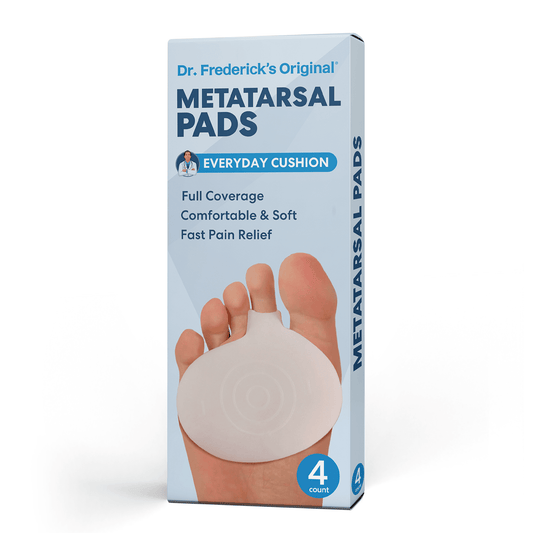
Metatarsal Gel Pads
Gel cushions that target ball-of-foot pain for instant, all-day relief -
Doctor Developed


Open Toe Cushion Sleeves
Soft gel cushions that protect and support the ball of your foot -
Active Support

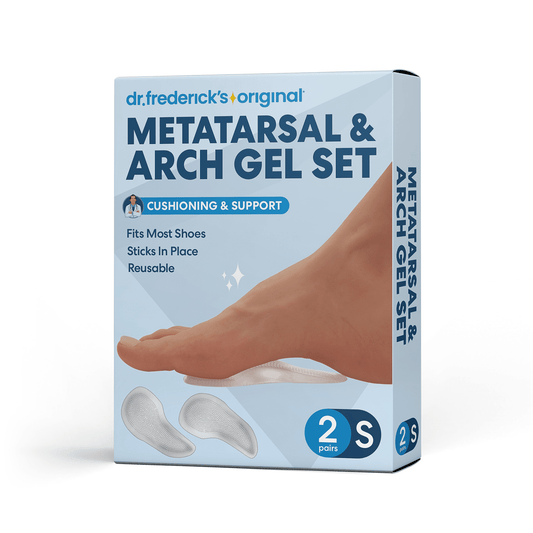
Gel Metatarsal & Arch Pads
Self-stick gel pads that provide targeted arch and metatarsal support -
50% More Cushioning


Open Toe Sleeves Plus Extra Cushion
Open toe gel sleeves with 50% more cushioning and cooling vents -
Doctor Developed


Covered Toe Sleeves
Soft gel toe sleeves with metatarsal pads for all-day foot comfort -
Full Coverage Relief
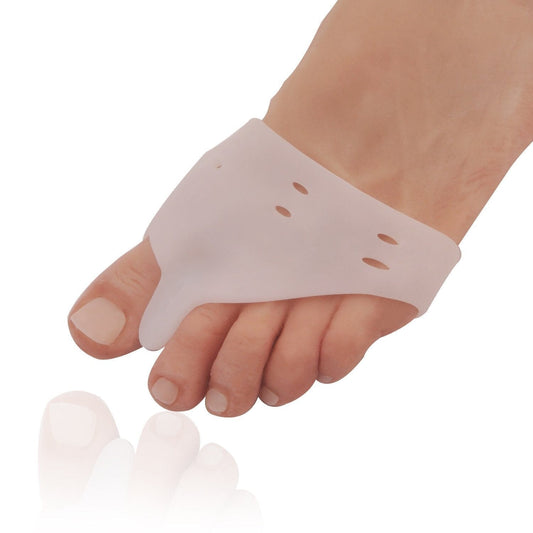
Forefoot & Bunion Cushions Deluxe
Full-coverage gel pads that cushion your forefoot and protect bunions -
Active Lifestyle
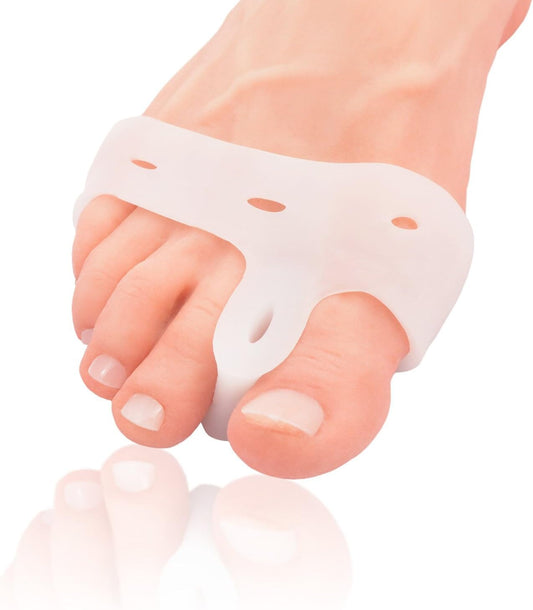
Bunion Pad & Toe Spacer Heavy Duty
Dual gel pad relieves bunion & tailor's bunion pain for active lifestyles


GET 10% OFF YOUR FIRST ORDER
Get early access to new products, exclusive savings, and reminders about upcoming sales!
What Causes Metatarsalgia Pain?
Causes of Metatarsalgia Pain are listed below.
- Excessive Forefoot Pressure: Repeated or sustained pressure on the metatarsal heads exceeds the load tolerance of the surrounding soft tissue, triggering inflammation and pain. Activities (prolonged standing, running on hard surfaces) concentrate ground reaction forces on a small forefoot area, with peak pressures reaching 120% to 200% of body weight per step. Structural foot abnormalities (high arches, flat feet) amplify forefoot pressure by preventing even load distribution across all five metatarsal heads.
- Improper Footwear: Shoes with narrow toe boxes compress the metatarsal heads laterally, increasing intermetatarsal pressure by 30% to 50% beyond normal levels. High heels above 2 inches shift 75% of total body weight onto the forefoot, concentrating the load directly on the metatarsal heads with every step. Worn-out midsoles with less than 4 mm of remaining cushioning lose up to 60% of their shock absorption capacity, transferring impact forces directly to the forefoot.
- High-Impact Physical Activity: Running, jumping, and court sports generate repetitive impact forces on the forefoot ranging from 150% to 300% of body weight per stride. Athletes logging more than 30 miles per week or training on hard surfaces (concrete, asphalt) face significantly elevated metatarsal fatigue risk. Rapid increases in training volume exceeding 10% per week prevent adequate tissue recovery, accelerating metatarsalgia onset.
- Nerve Irritation and Morton's Neuroma: Chronic compression of the interdigital nerves, particularly from the 3rd to 4th metatarsal space, produces burning pain, numbness, and a sensation of standing on a pebble. Morton's neuroma, the most common nerve-related cause of metatarsalgia, involves fibrous thickening of the nerve sheath ranging from 5 mm to 10 mm in diameter. Nerve irritation left unaddressed progresses from intermittent discomfort to constant forefoot pain within 3 to 6 months.
- Toe Deformities: Hammertoe and bunion deformities shift the mechanical load away from the toes and concentrate pressure directly onto the metatarsal heads. A bunion deformity displaces the first metatarsal medially, transferring up to 50% of the load normally absorbed by the first ray onto the second and third metatarsal heads. Hammertoe contractures prevent the toes from functioning as load-sharing structures during the push-off phase of gait, increasing metatarsal head pressure by 20% to 40%.
- Excess Body Weight: Each 1 lb of excess body weight adds 3 lbs to 4 lbs of forefoot pressure during walking due to the lever mechanics of the foot. Individuals with a BMI above 30 sustain forefoot loads exceeding normal tissue tolerance thresholds by 40% to 60%, accelerating plantar fat pad thinning and metatarsal inflammation. Plantar fat pad atrophy reduces the foot's natural shock absorption capacity by up to 25%, compounding the mechanical stress already elevated by excess weight, making Metatarsalgia Pain a direct consequence of sustained forefoot overload.
How does nerve irritation cause metatarsalgia discomfort?
Nerve irritation causes metatarsalgia by generating abnormal pain signals from compressed interdigital nerves running from the metatarsal heads to the toes, triggering burning pain, numbness, and tingling. The 3rd to 4th intermetatarsal space is the most frequently affected site, as the nerve passing through it is larger and has less anatomical room than nerves in adjacent spaces. Morton's neuroma, the most clinically significant nerve-related cause, involves fibrous thickening of the nerve sheath from 5 mm to 10 mm in diameter, confirmed by Mulder's click in 90% of cases. Chronic nerve irritation sustained beyond 3 to 6 months leads to permanent structural changes in the nerve sheath, reducing the effectiveness of conservative treatment. Early management through footwear modification, metatarsal padding, and corticosteroid injection within the first 6 to 12 weeks produces full recovery rates of 70% to 85%, making prompt intervention critical in nerve irritation-related metatarsalgia discomfort.
How does wearing improper footwear lead to metatarsalgia?
Wearing improper footwear leads to metatarsalgia by concentrating excessive pressure on the metatarsal heads during standing, walking, and physical activity. Shoes with narrow toe boxes compress the metatarsal heads laterally, increasing intermetatarsal pressure by 30% to 50% beyond normal levels, while midsoles with less than 4 mm of remaining compression resistance lose up to 60% of shock absorption capacity. Running or walking shoes exceeding 500 miles of use expose the metatarsal heads to ground reaction forces from 150% to 300% of body weight per step without adequate buffering. A heel-to-toe drop above 10 mm shifts body weight anteriorly, increasing forefoot loading duration and intensity with each stride. Footwear without arch support increases metatarsal head pressure by 20% to 35% compared to supported footwear, making shoe selection a primary determinant of metatarsalgia risk.
How do high heels increase the risk of metatarsalgia?
High heels increase the risk of metatarsalgia by shifting body weight from the heel to the forefoot, with a 2-inch heel transferring 57% of total body weight to the forefoot and a 3.5-inch heel transferring up to 76%. The metatarsal heads, designed to bear 40% to 50% of body weight during normal gait, become overloaded under sustained high heel use. The foot angle inside a high heel forces the metatarsophalangeal joints into hyperextension, weakening plantar plate ligamentous support and accelerating cartilage wear over time. Narrow toe boxes compress the metatarsal heads laterally by 30% to 50% beyond normal anatomical spacing, elevating Morton's neuroma risk. Women wearing high heels for more than 4 hours daily over 2 to 5 years develop measurable plantar fat pad thinning, reducing natural shock absorption capacity by up to 25%, making high heel use one of the strongest modifiable risk factors for metatarsalgia development.
Can High Impact activities cause metatarsalgia?
Yes, high-impact activities can cause metatarsalgia by generating repetitive forefoot forces that exceed the load tolerance of the metatarsal heads and surrounding soft tissue. Running produces ground reaction forces from 150% to 300% of body weight per stride, with hard surfaces (concrete, asphalt) accelerating metatarsal fatigue beyond tissue recovery capacity. Court sports (basketball, tennis) generate torsional forefoot forces exceeding metatarsal joint tolerance by 20% to 40% beyond linear running loads, while jumping activities (volleyball, gymnastics) concentrate impact forces up to 500% of body weight during landing. Athletes training on hard surfaces for more than 30 miles per week face a 3 to 4 times greater metatarsalgia incidence rate compared to those on softer terrain (grass, synthetic tracks), making surface type, training volume progression, and recovery management critical factors in preventing high-impact activity-related metatarsalgia.
How can you Strengthen Weak Metatarsalgia?
You can strengthen weak Metatarsalgia by following the six steps below.
Perform Toe Curls and Towel Scrunches. Place a small towel flat on the floor and use the toes to scrunch and pull it toward the foot repeatedly. The exercise activates the flexor digitorum brevis and lumbricals, the intrinsic muscles directly responsible for stabilizing the metatarsal heads during weight-bearing. Performing 3 sets of 15 to 20 repetitions daily builds the muscular support needed to reduce forefoot pressure over time.
Practice Short Foot Exercises. Stand barefoot and contract the arch of the foot by drawing the ball of the foot toward the heel without curling the toes. The movement activates the intrinsic foot muscles that maintain the transverse metatarsal arch, reducing metatarsal head loading by up to 30% during standing and walking. Holding each contraction for 5 to 10 seconds across 3 sets of 10 repetitions per session progressively builds arch stability.
Incorporate Toe Splay Exercises. Spread all five toes as wide apart as possible, hold for 5 seconds, then relax. The exercise strengthens the abductor hallucis and interossei muscles, improving transverse arch integrity and reducing forefoot compression. Performing 3 sets of 10 to 15 repetitions per day corrects toe alignment irregularities that contribute to uneven metatarsal loading.
Add Marble Pickups. Place 10 to 15 marbles on the floor and use the toes to pick them up one at a time and drop them into a container. The exercise targets the flexor tendons and intrinsic foot muscles simultaneously, improving dexterity and grip strength in the forefoot. Daily practice over 4 to 6 weeks measurably increases the load tolerance of the metatarsal region.
Perform Single-Leg Balance Training. Stand on one foot for 30 to 60 seconds on a flat surface, progressing to an unstable surface (foam pad, balance board) as stability improves. Single-leg balance activates the peroneal muscles, tibialis posterior, and intrinsic foot muscles that collectively stabilize the forefoot during dynamic movement. Incorporating 3 sets per foot, 4 to 5 days per week, reduces forefoot instability that leads to excessive metatarsal head loading.
Do Calf Raises. Stand with feet hip-width apart, rise onto the balls of the feet, hold for 2 to 3 seconds, then lower slowly. Calf raises strengthen the gastrocnemius and soleus muscles, which control the rate of forefoot loading during the push-off phase of gait. Performing 3 sets of 15-20 repetitions daily reduces peak pressure transmitted to the metatarsal heads by improving muscular shock absorption.
How does foot stretching improve metatarsalgia symptoms?
Foot stretching improves metatarsalgia symptoms by reducing tension in the plantar fascia, Achilles tendon, and toe flexors, directly lowering forefoot pressure distribution during movement. A tight plantar fascia pushes peak forefoot pressure 15% to 25% beyond normal levels, while a shortened Achilles tendon restricts ankle dorsiflexion below the functional threshold of 10 degrees, forcing the forefoot to bear load earlier in the gait cycle. Gastrocnemius and soleus stretching restores dorsiflexion range, reducing forefoot overload by 20% to 30% in clinical assessments. Plantar fascia stretching performed in 3 sets of 30-second holds, 3 times daily, produces measurable symptom improvement in 70% of metatarsalgia patients within 4 to 8 weeks, making consistent foot stretching a direct mechanical strategy for forefoot pressure relief.
How often should strengthening exercises be done for metatarsalgia relief?
Strengthening exercises for metatarsalgia relief can be performed 4 to 5 days per week, with 1 to 2 recovery days between sessions to allow for muscle adaptation. Reducing frequency to 2 to 3 days per week prevents further tissue irritation while maintaining muscular activation during acute flare-ups where forefoot pain scores exceed 6 out of 10. Frequency increases progressively back to 4 to 5 sessions per week, as symptoms decrease below a pain score of 3 out of 10. Progressive overload, applied for 2 to 3 weeks by increasing repetitions, sets, or resistance, drives continued strength adaptation in the foot and lower leg muscles. Patients adhering to a structured program 4 to 5 days per week report a 55% to 70% reduction in metatarsalgia pain intensity within 8 to 12 weeks, confirming that consistency of strengthening exercise frequency determines the durability of symptom relief.
Can calf strengthening reduce pressure on the metatarsals?
Yes, calf strengthening can reduce pressure on the metatarsals by improving muscular control of forefoot loading during the push-off phase of gait. Weakness in the gastrocnemius and soleus accelerates forefoot contact time, increasing peak metatarsal pressure by 20% to 35% per step. Eccentric calf strengthening, performed by slowly lowering the heel below step level over 3 to 4 seconds, produces the greatest improvements in tendon load capacity, with clinical studies reporting a 25% to 40% decrease in metatarsal loading after 8 to 12 weeks of consistent practice. A combined program of calf raises (3 sets of 15 to 20 repetitions) and Achilles stretching (3 sets of 30-second holds) performed 4 days per week makes calf strengthening a foundational element of metatarsalgia pressure reduction.
What are the most Effective Treatments for Metatarsalgia?
The most effective treatments for Metatarsalgia are listed below.
- Rest and Activity Modification: Reducing or eliminating high-impact activities (running, jumping, prolonged standing) allows inflamed metatarsal tissue to recover. A rest period from 2 to 6 weeks, depending on severity, measurably decreases forefoot inflammation. Replacing high-impact activity with swimming or cycling maintains cardiovascular fitness without adding metatarsal stress.
- Orthotic Insoles and Metatarsal Pads: Custom orthotics redistribute plantar pressure away from the metatarsal heads by 30% to 50%, addressing the mechanical root cause of pain. Over-the-counter metatarsal pads placed just behind the ball of the foot provide immediate pressure relief at a fraction of the cost of custom devices. Rigid or semi-rigid orthotic shells correct structural abnormalities (high arches, flat feet) that contribute to uneven forefoot loading.
- Physical Therapy: Targeted exercises strengthening the intrinsic foot muscles improve load distribution across all five metatarsal heads. Stretching the plantar fascia and Achilles tendon reduces tension on the forefoot by improving overall foot mechanics. A structured physical therapy program lasting 6 to 12 weeks produces measurable symptom reduction in 65% to 80% of patients.
- Footwear Modification: Shoes with a rocker-bottom sole reduce peak metatarsal pressure by up to 40% by shifting load away from the forefoot during the push-off phase. A wide toe box prevents compression of the metatarsal heads, while a cushioned midsole absorbs impact forces before reaching the forefoot. Heel-to-toe drop from 4 mm to 8 mm supports a biomechanically sound gait pattern.
- Ice Therapy and Anti-Inflammatory Medication: Applying ice for 15 to 20 minutes, 3 to 4 times daily, reduces acute metatarsal inflammation by constricting blood vessels and limiting swelling. Nonsteroidal anti-inflammatory drugs (NSAIDs) (ibuprofen, naproxen) lower prostaglandin levels responsible for pain signaling in the forefoot. Combining ice therapy with NSAIDs addresses both the inflammatory process and the pain response simultaneously.
- Corticosteroid Injections: A corticosteroid injection directly into the inflamed metatarsal region reduces severe inflammation unresponsive to conservative treatment. Relief from a single injection lasts from 4 to 12 weeks, depending on the degree of tissue involvement. Injections are typically limited to 2 to 3 per year to prevent plantar fat pad atrophy.
- Surgery: Surgical intervention becomes necessary when conservative treatments fail after 6 to 12 months. Procedures include metatarsal osteotomy, which realigns the metatarsal bones to correct abnormal pressure distribution. Surgery carries a recovery period from 6 to 12 weeks and is reserved for structural deformities unresolvable through non-invasive means.
What pain relief medications are commonly used for metatarsalgia?
Pain relief medications commonly used for metatarsalgia are listed below.
- Ibuprofen Nonsteroidal anti-inflammatory drugs (NSAIDs): Ibuprofen blocks cyclooxygenase (COX) enzymes, reducing prostaglandin production responsible for forefoot pain and swelling. Standard dosing ranges from 400 mg to 800 mg taken every 6 to 8 hours, not exceeding 3,200 mg per day. The medication produces noticeable inflammation reduction within 24 to 48 hours of consistent use.
- Naproxen Sodium: Naproxen sodium offers a longer-acting anti-inflammatory effect compared to ibuprofen, with doses of 220 mg to 550 mg taken every 8 to 12 hours. Its extended half-life of 12 to 17 hours makes it suitable for individuals needing sustained pain relief throughout the day. Naproxen targets the same COX pathways as ibuprofen but requires fewer daily doses for comparable metatarsal pain control.
- Acetaminophen: Acetaminophen addresses metatarsal pain through central nervous system pain pathway inhibition rather than peripheral inflammation reduction. Standard dosing ranges from 325 mg to 1,000 mg every 4 to 6 hours, with a maximum daily limit of 4,000 mg. The medication suits individuals who cannot tolerate NSAIDs due to gastrointestinal sensitivity or kidney concerns.
- Topical Diclofenac: Topical diclofenac gel delivers anti-inflammatory medication directly to the forefoot tissue, minimizing systemic side effects associated with oral NSAIDs. Applied 3 to 4 times daily to the affected metatarsal area, the gel penetrates soft tissue to reduce localized inflammation at the source. Topical diclofenac reduces forefoot pain scores by 40% to 50% in patients with mild to moderate metatarsalgia, making it a practical option alongside broader Metatarsalgia Relief approaches.
When should you See a Doctor for metatarsalgia Pain?
You should see a doctor for metatarsalgia pain when it persists beyond 2 to 3 weeks despite rest, footwear modification, and over-the-counter pain management. Numbness, burning sensations radiating toward the toes, visible swelling, or forefoot deformity following injury requires immediate evaluation, as undiagnosed metatarsal fractures extend recovery to 3 to 6 months or longer. Individuals with diabetes or peripheral vascular disease require urgent assessment within 24 to 48 hours upon noticing any foot ulcer or open wound near the metatarsal region, given reduced sensation that masks pain progression. Forefoot pain accompanied by fever, redness, and warmth indicates possible infectious or inflammatory arthritis, conditions that require prompt clinical diagnosis rather than self-managed care.
How do ice therapy and inflammation control help metatarsalgia?
Ice therapy and inflammation control help metatarsalgia by constricting blood vessels in the forefoot, limiting inflammatory fluid accumulation around the metatarsal heads. Applying ice for 15 to 20 minutes, 3 to 4 times daily, lowers tissue temperature by 10°F to 15°F, producing measurable swelling reduction within 24 to 72 hours. Nonsteroidal anti-inflammatory drugs (ibuprofen and naproxen) complement ice therapy by inhibiting COX-1 and COX-2 enzymes, addressing inflammation through a second pathway simultaneously. Left unmanaged, chronic metatarsal inflammation leads to plantar fat pad thinning, synovitis, and stress fracture risk within 3 to 6 months. Corticosteroid injections address persistent inflammation unresponsive to conservative care, with relief lasting from 4 to 12 weeks per injection.
Is taping or padding useful for reducing metatarsal pressure?
Yes, taping and padding are useful for reducing metatarsal pressure without invasive treatment. Metatarsal pads placed just proximal to the metatarsal heads redistribute plantar pressure by 30% to 50%, shifting load toward the metatarsal shafts where tissue tolerance is higher. Low-Dye taping and metatarsal arch taping reduce peak plantar pressure by 20% to 35%, preventing concentrated pressure points responsible for forefoot pain and callus formation. Felt metatarsal pads from 3 mm to 6 mm in thickness provide clinically consistent pressure reduction, while gel-based pads absorb impact forces of up to 40% during the push-off phase of gait, making taping and padding a practical non-pharmacological component of metatarsalgia management.
How can you Prevent Metatarsalgia Pain in Daily Life?
You can prevent Metatarsalgia Pain in daily life by following the five steps below.
Choose Supportive Footwear: Footwear with adequate arch support, a wide toe box, and sufficient cushioning in the forefoot reduces direct pressure on the metatarsal heads. Shoes that compress the toes or lack midsole padding transfer excessive force onto the ball of the foot, increasing injury risk over time.
Maintain a Healthy Body Weight: Excess body weight increases the load on the forefoot during standing and walking, with studies indicating that every 1 lb of additional weight adds approximately 3 lbs of force to the foot joints. Keeping weight within a healthy Body Mass Index (BMI) range of 18.5 to 24.9 noticeably reduces forefoot strain.
Strengthen Foot and Toe Muscles: Exercises targeting the intrinsic foot muscles (toe curls, towel scrunches, and calf raises) build the muscular support needed to distribute load away from the metatarsal bones. A minimum of 10 to 15 minutes of foot strengthening exercises per day produces measurable improvement in forefoot pressure distribution.
Correct Posture and Walking Gait: Proper upright posture and heel-to-toe walking mechanics reduce forefoot overloading during each stride. Gait abnormalities (overpronation, supination) place uneven pressure on specific metatarsal heads, increasing pain risk.
Limit High-Impact Activities on Hard Surfaces: Prolonged running or standing on concrete or tile flooring concentrates repetitive impact on the forefoot. Incorporating rest intervals and using cushioned mats reduces cumulative stress.
How does choosing proper footwear reduce the risk of metatarsalgia?
Choosing proper footwear reduces metatarsalgia risk by redistributing pressure away from the metatarsal heads and providing structural support to the forefoot. Shoes with a wide toe box allow the toes to spread naturally, preventing compression that concentrates force on specific metatarsal bones. A cushioned midsole, particularly one with at least 10 mm of forefoot padding, absorbs impact during walking and running, lowering peak pressure on the ball of the foot by approximately 25 to 30%. Arch support built into the insole maintains the foot's natural alignment, reducing the tendency for the forefoot to bear disproportionate load. Rigid or semi-rigid soles prevent excessive forefoot flexion during push-off, which is the phase of gait where metatarsal stress reaches its highest point. High-heeled footwear shifts up to 75% of body weight onto the forefoot, making heel height a direct contributing factor in the development of metatarsalgia. The selection criteria above align with the characteristics of the proper footwear for foot pain.
What Lifestyle Habits Reduce the Risk of Metatarsalgia Pain?
Lifestyle habits that reduce the risk of Metatarsalgia pain are listed below.
- Low-Impact Exercise: Walking, swimming, and cycling distribute body weight evenly across the foot, reducing forefoot pressure. Regular movement strengthens the intrinsic foot muscles, improving load absorption. A consistent routine of 30 minutes per day, at least 5 days per week, supports long-term foot health.
- Proper Footwear Selection: Shoes with a wide toe box, arch support, and cushioned soles reduce metatarsal stress by up to 50%. High heels over 2 inches shift 75% of body weight to the forefoot, significantly increasing the risk of metatarsalgia. Footwear with a heel-to-toe drop from 4 mm to 8 mm offers a balanced weight distribution.
- Stretching and Foot Mobility Routines: Toe stretches, calf raises, and plantar fascia stretches maintain flexibility in the tendons and ligaments surrounding the metatarsal heads. Tight calf muscles increase forefoot loading by up to 25%, making daily stretching a preventive measure. Incorporating foot mobility exercises 3 to 5 times per week reduces cumulative stress on the ball of the foot.
- Activity Modification: High-impact activities (running on hard surfaces, prolonged standing on concrete) accelerate metatarsal fatigue. Alternating high-impact days with rest or low-impact activity prevents repetitive stress injuries. Limiting continuous standing to no more than 90 minutes at a time reduces peak forefoot pressure.
- Use of Orthotic Insoles: Custom or over-the-counter metatarsal pads redistribute pressure away from the metatarsal heads by shifting load toward the arch. Metatarsal pads placed just behind the ball of the foot reduce localized pressure by 30% to 50%, making the foot cushions and pads category a practical option for at-risk users.
How important is posture and walking technique in prevention?
Posture and walking technique in prevention are important because they directly control how force is distributed across the metatarsal heads with every step. Poor posture, particularly anterior pelvic tilt, shifts the body's center of gravity forward, increasing forefoot loading by 20% to 40% beyond normal levels. A heel-to-toe gait pattern keeps peak metatarsal pressure below 120% of body weight, while toe-first or flat-footed walking pushes forefoot pressure to 150% to 200% of body weight. Overstriding increases impact force on the forefoot by 15% to 30% per step, compounding metatarsal stress over time. Gait retraining programs reduce metatarsalgia symptoms in 60% to 75% of patients within 8 to 12 weeks, making posture and walking technique among the most measurable non-invasive prevention strategies available.
Can maintaining a healthy body weight prevent metatarsalgia?
Yes, maintaining a healthy body weight can prevent metatarsalgia by lowering the mechanical load placed on the metatarsal heads during standing and movement. Forefoot pressure decreases by 3 lbs to 4 lbs due to the lever mechanics of the foot during the push-off phase of walking, for every 1 pound of body weight lost. Patients with a BMI above 30 carry forefoot loads exceeding normal tolerance thresholds by 40% to 60%, accelerating cartilage wear and soft tissue inflammation. The plantar fat pad, which absorbs up to 25% of impact force during walking, thins progressively under sustained overload, reducing its protective capacity. A body weight reduction of 5% to 10% measurably decreases peak plantar pressure in the forefoot region, with a target BMI from 18.5 to 24.9 aligning with pressure ranges the metatarsal structure tolerates without chronic inflammation, making healthy body weight one of the most consistent preventive factors against metatarsalgia development.
How Long does Shipping Take for Metatarsalgia Relief?
Shipping for metatarsalgia relief products takes 5 to 7 business days for standard delivery within the contiguous United States. Expedited options reduce the transit period to 2 to 3 business days, depending on the selected service at checkout. Orders placed before 12:00 PM EST on weekdays are processed the same day, while orders placed after the cutoff are handled the next business day. International shipping extends the delivery window to 10 to 21 business days, depending on the destination country and customs clearance timelines. Tracking numbers are issued within 24 hours of dispatch, allowing recipients to monitor the package status in real time. All delivery estimates apply to in-stock items and exclude weekends and federal holidays. Full details on delivery timelines and carrier options are outlined under Shipping and Returns.
Does Dr. Federick's Offer Fast Shipping on Metatarsalgia Relief?
Yes, Dr. Fredrick's offers fast shipping on metatarsalgia relief products. Expedited shipping reduces the standard 5 to 7 business day window down to 2 to 3 business days for domestic orders within the contiguous United States. The expedited option is selectable at checkout before the order is confirmed. Orders submitted before 12:00 PM EST on weekdays qualify for same-day processing, which further cuts down on the total wait time. Priority handling is applied immediately upon confirmation for expedited orders, meaning fulfillment begins without the standard processing delay. Customers located in remote or non-contiguous U.S. territories (Alaska, Hawaii) face longer transit times, with fast shipping selected, depending on carrier availability in the destination area.
Are Metatarsalgia Relief Shipped in Discreet Packaging?
Yes, metatarsalgia relief shipped in discreet packaging from Dr. Fredrick's. The outer box or mailer used for delivery carries no product-specific labeling, brand imagery, or medical terminology that identifies the contents. The return address label reflects the company's standard fulfillment information without referencing the product category or condition name. Inside the package, the product is secured in its original retail packaging, which is enclosed within the plain outer layer. The discreet approach protects recipient privacy across all standard and expedited shipping methods. No indication of the enclosed item's nature appears on the exterior, making the delivery indistinguishable from a general parcel, depending on the carrier's labeling format applied during transit.
Is Shipping Free on Metatarsalgia Relief Orders for Dr. Federick's?
Yes, free shipping on Metatarsalgia relief for Dr. Frederick’s orders when you purchase from the official Dr. Frederick’s Original website. Orders ship within one business day after purchase and qualify for this free shipping threshold. Orders under $35 do not qualify for free shipping on the official store, and shipping costs are calculated at checkout based on the destination and selected shipping method. Third‑party marketplaces (for example, Amazon or Walmart listings) might offer free delivery or free returns on select Dr. Frederick’s products, depending on seller promotions or membership benefits, but those are separate from the official brand’s shipping policy.
What Is the Refund Policy of Dr. Federick's for Metatarsalgia Relief?
You get a 30‑day refund policy on Dr. Frederick's Original metatarsalgia and foot‑relief products when you buy them directly from the official site or authorized retailers. Dr. Frederick’s Original backs its foot‑care items with a “Get Back to It” satisfaction guarantee that lets you return products that fail to deliver relief within 30 days of receipt for either a refund or replacement. The product must be in its original condition and packaging at the time of return. Support staff will assist with the process via email or contact form if you prefer assistance. The policy aims to ensure confidence in comfort and effectiveness, which applies to cushioned pads, toe spacers, gel inserts, and similar foot relief accessories. The standard refund option expires, although defective or damaged merchandise may still be eligible for replacement support through customer care after the 30‑day window closes.
How Long do I Have to Request a Refund on Metatarsalgia Relief?
You have 14 to 30 days to request a refund on metatarsalgia relief products, and that timeframe depends entirely on the retailer’s return policy. Retailers set a return window between 14 and 30 days from the date of purchase for refunds on personal‑care items like insoles, gel pads, and foot cushions. The product is unused, in original packaging, and returned within the stated period for a refund to be processed. Stores extend their return window during holiday seasons or offer satisfaction guarantees that allow returns up to 60 or 90 days if the product did not provide relief, but such guarantees are exceptions with specific requirements. Foot‑care products that have been worn do not qualify for a refund due to hygiene policies, so meeting the deadline with unused items is essential. Always review the seller’s exact return terms at the time of purchase to know the deadline for refund requests.
Can I Return Metatarsalgia Relief If They Don’t Relieve the Pain?
Yes, you can return metatarsalgia relief products if they do not relieve pain, only under certain conditions defined by the seller’s return policy. Retailers require products to be returned unused, in original packaging, and within the stated return window to qualify for a refund. Foot care items that make direct contact with skin (insoles, gel pads, toe protectors) are treated as personal‑use items, and used products do not qualify for return due to hygiene and safety concerns. Stores offer satisfaction guarantees that allow returns or exchanges even if the product was tried on briefly and did not deliver the expected comfort, provided it is within the allowable return period and returned with all original components. A few specialty retailers and manufacturers extend comfort‑guarantee programs that accept returns for fit or relief issues, but these are exceptions with specific requirements. Read the specific return terms before purchase and contact customer service for clarification on pain relief returns.
Are Used Metatarsalgia Relief Eligible for a Refund?
No, used metatarsalgia relief products are not eligible for a refund in most cases because of hygiene and safety standards. Manufacturers and retailers classify insoles, gel pads, and toe protectors as personal‑use items that cannot be resold once worn. Foot health products make direct contact with skin and absorb sweat, oils, and bacteria, creating a risk if returned and restocked. Refund policies almost always require products to be unused, in original packaging, and with all tags intact to qualify. Retailers offer exchanges for defective items after limited use if the defect is confirmed, but standard return windows generally exclude used products. Consumers must review the specific store’s return policy before purchase and contact customer service for exceptions related to quality issues.


