Product & Support Options
Tailor's Bunion Relief by Product Type
Tailor's Bunion Relief by Product Type is listed below.
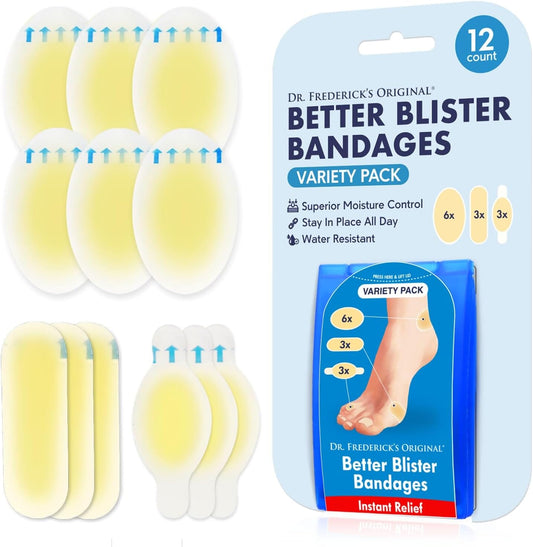
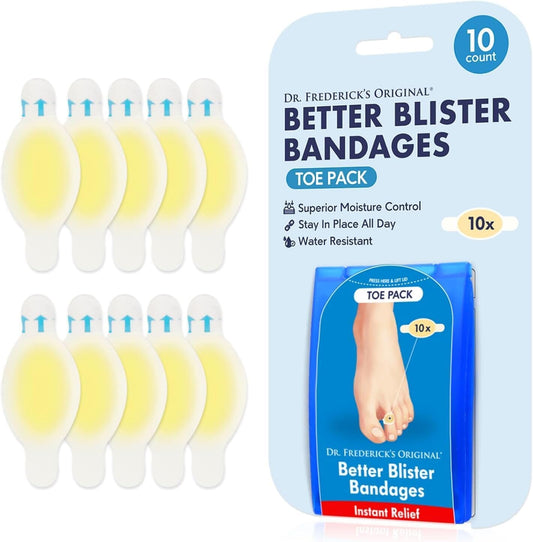
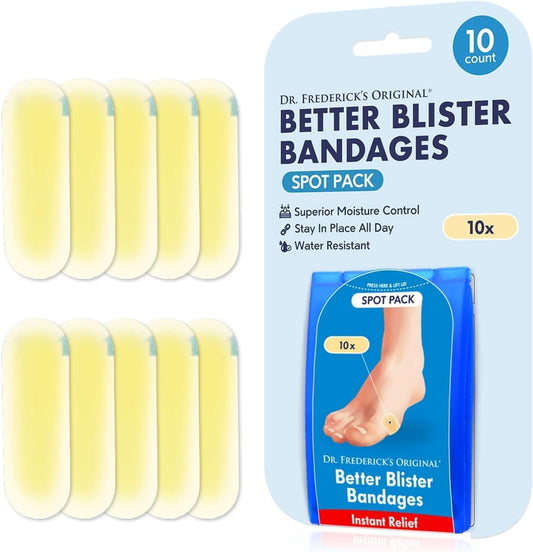
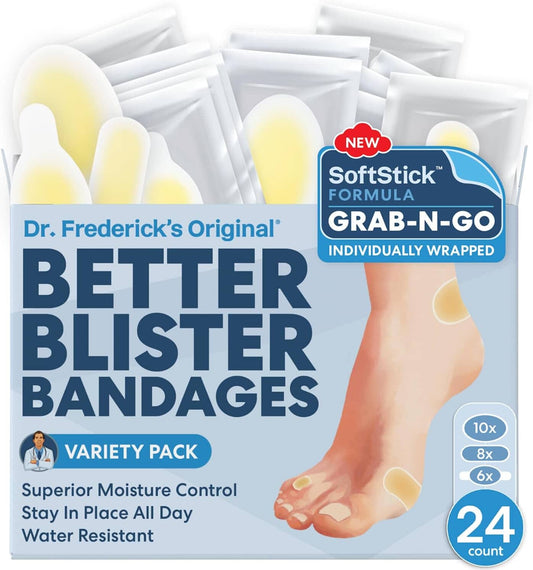
- Tailor’s Bunion Blister Care: The product focuses on preventing and treating blisters caused by bunion rubbing. It includes protective pads and blister bandages designed to shield the affected area. Tailor’s Bunion Blister Care is ideal for preventing further irritation during physical activity or while wearing shoes. Price range is $5 to $15.
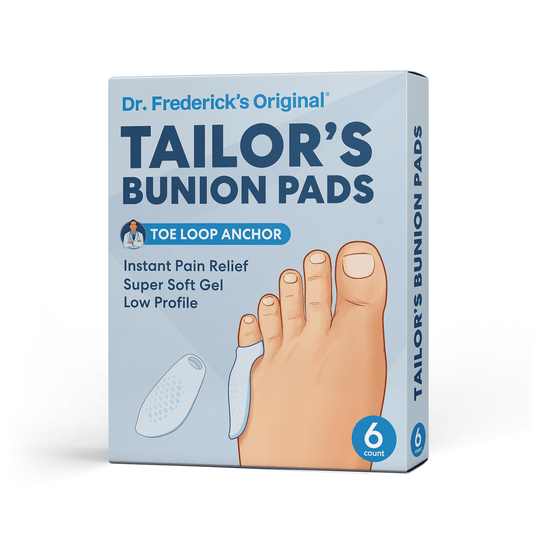
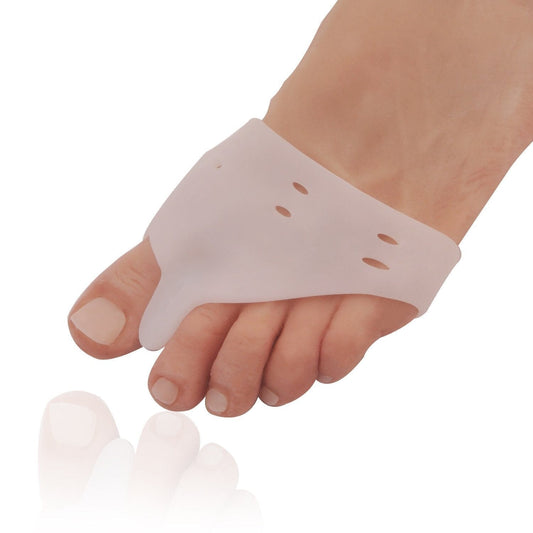
- Tailor’s Bunion Relief: Tailor’s Bunion Relief products aim to reduce inflammation and provide comfort to the bunion area. Padded sleeves, gel cushions, and braces, offering targeted pressure relief and comfort for daily activities. Price range is $10 to $30.
- Tailor’s Bunion Foot Inserts: The orthotic inserts are designed to correct foot alignment and support the arch and foot, reducing pain associated with bunions. These inserts can be worn inside shoes to help redistribute pressure from the bunion area. Price range is $20 to $50.
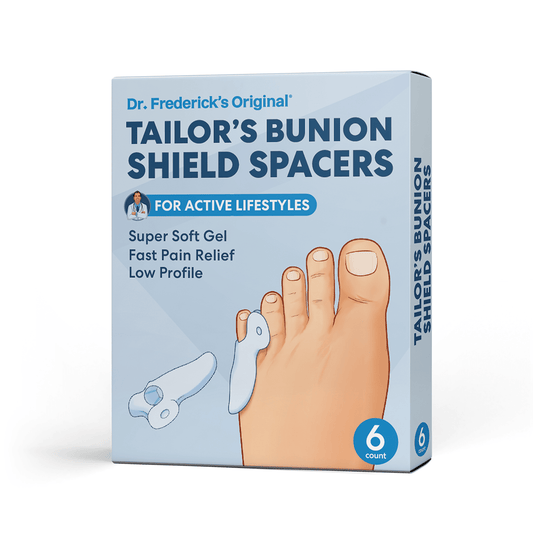
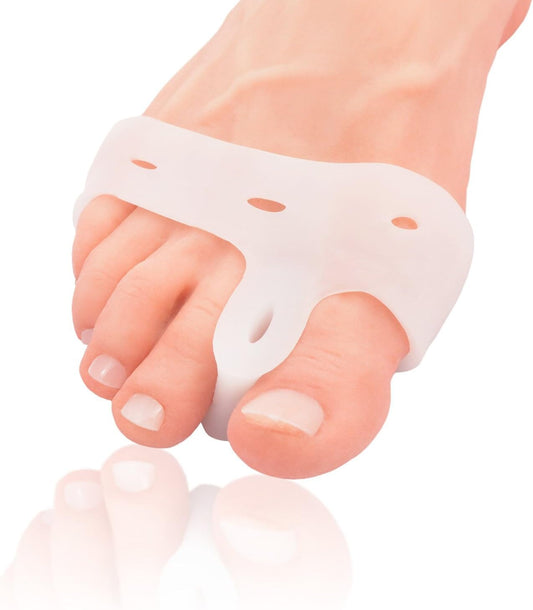
- Tailor’s Bunion Toe Care: The category includes gel toe separators and protective sleeves to reduce friction between the toes and alleviate discomfort. Perfect for managing mild-to-moderate bunion pain and keeping the toes properly aligned. Price range is $10 to $25.
Tailor’s Bunion Blister Care
Buying Tailor's Bunion Blister Care products means getting direct protection for the outer edge of the foot against friction, pressure, and skin breakdown caused by footwear pressing against the bunionette. The products range from $5 to $15, covering adhesive blister cushions at the entry level and gel-padded protective sleeves at the premium end. Individuals spending 8 or more hours on their feet, wearing narrow or pointed footwear, or dealing with raw and broken skin around the pinky toe area get the most targeted protection from blister care products.
Applying the products takes under aminute and delivers all-day protection. First, wash and dry the affected area around the bunionette thoroughly before application. Second, peel the adhesive backing and press the cushion firmly over the bony protrusion on the outer edge of the foot. Third, slide the foot into the shoe, making sure the cushion sits flat against the skin without shifting. Adhesive cushions last 1 to 3 days per use, making them adependable option for active users. Gel-padded sleeves offer areusable alternative, rinsed and air-dried after each wear, giving lasting value for anyone seeking daily protection through Tailor's Bunion Blister Care
Tailor’s Bunion Relief
Purchase Tailor's Bunion Relief cushions to get direct pressure reduction on the bony protrusion at the base of the pinky toe, cutting discomfort during movement. The products range from $6 to $25, covering foam cushions and protective shields at the entry level and premium gel-padded sleeves at the higher end. Athletes, retail workers, and individuals logging long hours on hard surfaces get the most out of direct relief cushions.
Applying the products is straightforward and takes seconds before putting on footwear. First, identify the exact point of pressure on the outer edge of the foot near the bunionette. Second, place the gel sleeve or foam cushion directly over the bony protrusion, ensuring full coverage of the affected area. Third, slide the foot into the shoe and confirm the cushion stays flat without bunching or shifting during movement. Gel sleeves are reusable, rinsed, and air-dried after each wear, lasting 3 to 6 months with regular use. Foam cushions offer adisposable option, replaced every 1 to 3 days, making them practical for users needing quick and affordable Tailor's Bunion Relief.
Tailor’s Bunion Foot Inserts
Buying Tailor's Bunion Foot Inserts means addressing the root cause of bunionette pain by correcting weight distribution across the foot and reducing strain on the fifth metatarsal head. The products range from $10 to $40, covering basic metatarsal pads at the entry level and full-length orthotic inserts at the premium end. Individuals with flat feet, high arches, or abnormal gait patterns get the greatest benefit from foot inserts, particularly those experiencing persistent pain during walking or standing for 6 or more hours daily.
Fitting the inserts into footwear follows asimple process. First, remove the existing insole from the shoe to create room for the orthotic insert. Second, place the foot insert inside the shoe, aligning the metatarsal pad directly under the ball of the foot near the fifth metatarsal head. Third, press the insert flat against the shoe base, confirming no edges curl or shift during wear. Full-length orthotics fit best in athletic or wide-toe shoes, delivering arch support across the entire foot. Metatarsal pads fit inside dress shoes and casual footwear, making them aversatile option for users seeking targeted forefoot relief through Tailor's Bunion Foot Inserts.
Tailor’s Bunion Toe Care
Purchasing Tailor's Bunion Toe Care products provides direct realignment support for the pinky toe and reduces the inward pressure that accelerates bunionette formation. The products range from $5 to $20, covering basic silicone spacers at the entry level and multi-piece gel toe separator kits at the premium end. Individuals in the early-to-moderate stages of bunionette development, or those noticing the pinky toe drifting inward during daily activity, get the most targeted correction from toe care products.
Applying toe care products takes seconds and delivers immediate joint relief. First, slide the gel toe separator onto the pinky toe, positioning the spacer firmly at the base where the toe meets the fifth metatarsal. Second, confirm the separator sits flush against the skin without cutting into surrounding tissue. Third, put on footwear, making sure the toe separator stays in place without bunching inside the shoe. Gel separators are reusable, rinsed, and air-dried after each wear, lasting 2 to 4 months with daily use. Silicone spacers fit inside most standard footwear without adding bulk, making them apractical daily option for users managing discomfort through Tailor's Bunion Toe Care.
Tailor's Bunion Relief by Category
Tailor's Bunion Relief by category is listed below.
- Tailor’s Bunion Care Supplies: The category includes items designed to protect and manage bunions. Products like padded sleeves, gel cushions, and toe separators provide cushioning and prevent friction, making them ideal for individuals experiencing mild-to-moderate discomfort. The supplies help reduce irritation during everyday activities and support healing by realigning the toes. Price range is $5 to $25.
- Tailor’s Bunion Medical Tape & Bandages: Medical tape and bandages are used to stabilize the bunion area and reduce friction during physical activity. The products help prevent further irritation while offering comfort for more active individuals. Tailor’s Bunion Medical Tape & Bandages are ideal for patients dealing with moderate-to-severe bunion pain, as they provide protection and support throughout the day. Price range is $5 to $15.
- Tailor’s Bunion Metatarsal Cushions: Metatarsal cushions relieve pressure on the forefoot, helping to alleviate discomfort caused by bunions and other foot conditions. Tailor’s Bunion Metatarsal Cushions provide targeted support, redistributing weight away from the painful area. Ideal for individuals experiencing pain in the ball of the foot, the cushions ensure comfort during walking or standing. Price range is $10 to $30.
Tailor’s Bunion Care Supplies
Choose Tailor's Bunion Care Supplies for everyday essentials that protect, cushion, and maintain the skin and joint around the bunionette. The products range from $5 to $20, covering adhesive cushions and gel sleeves at the entry level and multi-piece protective kits at the premium end. Individuals managing mild-to-moderate bunionette discomfort during daily routines get the most out of care supplies, particularly those seeking consistent protection without medical intervention. Individuals on their feet for 6 or more hours daily, wearing closed-toe or narrow footwear, or noticing early redness and soreness around the pinky toe area, find that care supplies the most practical starting point.
Applying care supplies follows asimple daily routine. First, clean and dry the outer edge of the foot around the bunionette before applying any product. Second, place the adhesive cushion or gel sleeve directly over the bony protrusion, pressing firmly to secure full contact with the skin. Third, slide the foot into the shoe and confirm the product sits flat without shifting during movement. Adhesive cushions last 1 to 3 days per use, making them adependable pick for active consumers. Gel sleeves offer areusable alternative, lasting 3 to 6 months with proper care, giving lasting value for users building adaily protection routine around Tailor's Bunion Care Supplies.
Tailor’s Bunion Medical Tape & Bandages
Picking up Tailor's Bunion Medical Tape and Bandages means getting firm stabilization for the bunionette during high-impact activity, reducing joint movement that triggers sharp and persistent pain. The products range from $6 to $18, covering standard adhesive bandages at the entry level and rigid sports tape at the premium end. Athletes, hikers, and individuals performing physical labor for 4 or more hours daily benefit most from medical tape and bandages, particularly when the bunionette is inflamed, actively irritated, or prone to rubbing against footwear during intense movement.
Applying medical tape and bandages correctly delivers consistent support throughout the day. First, clean and dry the outer edge of the foot completely before taping to secure maximum adhesion to the skin. Second, wrap the tape around the fifth metatarsal head in afigure-eight pattern, starting below the bunionette and crossing over the top of the foot. Third, press the tape firmly at every overlap point, confirming no gaps or loose sections remain before putting on footwear. Standard bandages cover the bunionette directly and last 1 to 2 days per application with moderate activity. Sports tape lasts 3 to 5 days, making it the stronger pick for users who need extended stabilization and active joint protection with Tailor's Bunion Medical Tape and Bandages.
Tailor’s Bunion Metatarsal Cushions
Buy Tailor's Bunion Metatarsal Cushions to target the fifth metatarsal head, offload pressure from the joint, and reduce the burning pain that develops during prolonged standing or walking. The products range from $8 to $45, covering adhesive metatarsal pads at the entry level and contoured gel cushioning systems at the premium end. Users with wide forefeet, wearing dress shoes for extended periods, or anyone experiencing persistent burning pain across the ball of the foot benefit most from metatarsal cushions, particularly those logging 5 or more hours on hard floors daily.
Placing metatarsal cushions inside footwear is straightforward and takes under two minutes. First, identify the point of maximum pressure on the forefoot by pressing along the base of the fifth metatarsal until the most tender spot is located. Second, peel the adhesive backing off the cushion and press it firmly inside the shoe directly beneath the identified pressure point. Third, step into the shoe and walk afew steps to confirm the cushion stays in position without sliding forward or shifting laterally. Adhesive metatarsal pads last 3 to 7 days per application, depending on activity level and perspiration. Contoured gel cushions are reusable and transferable from shoe to shoe, making them acost-effective long-term solution for users managing chronic forefoot pain through Tailor's Bunion Metatarsal Cushions.
Tailor's Bunion Relief by Body Area
Tailor's Bunion Relief by body area is listed below.
- Tailor’s Bunion for Arch: Products in the category are designed to alleviate pressure on the arch of the foot, where bunions can cause strain. Orthotic inserts and arch supports help correct foot alignment and distribute weight evenly. Ideal for users experiencing pain in the arch due to bunions, the products provide relief during daily activities. Prices range from $15 to $40.
- Tailor’s Bunion for Forefoot: Designed to relieve pressure on the forefoot, the products include metatarsal cushions and gel pads that target the area where bunions often cause the most discomfort. The solutions redistribute pressure, reducing the burning pain in the ball of the foot. Choose the products if you experience pain while standing or walking. Prices range from $10 to $30.
- Tailor’s Bunion for Heel: Products for heel pain associated with bunions include heel cups and cushioning pads that help offload pressure from the heel and reduce discomfort. The solutions are ideal for users experiencing heel pain due to altered gait or bunion misalignment. Prices range from $5 to $20.
- Tailor’s Bunion for Toe: The category includes toe separators and bunion sleeves designed to realign the toe and provide cushioning. The products reduce friction between the toes and relieve pressure, making them ideal for users with mild-to-moderate bunion pain affecting the toe. Prices range from $5 to $25.
Tailor’s Bunion for Arch
Choose Tailor's Bunion for Arch products to address the structural imbalance in the foot that places excess strain on the outer edge, worsening bunionette pain over time. The products range from $10 to $45, covering basic arch support pads at the entry level and full-length orthotic insoles with targeted arch correction at the premium end. Users with flat feet, collapsed arches, or overpronation get the benefit from arch support products, those noticing increased bunionette pain after walking or standing for 3 or more hours consecutively.
Fitting arch support products into footwear follows asimple process. First, remove the existing insole from the shoe to create adequate room for the arch support product. Second, place the arch support inside the shoe, aligning the raised arch portion directly beneath the medial arch of the foot, confirming the product does not press against the bunionette on the outer edge. Third, step into the shoe and walk across aflat surface, checking that the arch support cradles the foot without creating new pressure points. Full-length orthotic insoles fit best in athletic and walking shoes with removable insoles. Arch support pads fit inside dress shoes and casual footwear without requiring insole removal, making them aflexible daily option for users managing structural foot imbalance connected to Tailor's Bunion for Arch pain.
Tailor’s Bunion for Forefoot
Buy Tailor's Bunion for Forefoot products to target the ball of the foot directly, reducing the concentrated pressure on the fifth metatarsal head that intensifies bunionette discomfort during movement. The products range from $8 to $40, covering adhesive forefoot pads at the entry level and full-coverage gel forefoot cushions at the premium end. Users experiencing burning, aching, or sharp pain across the front portion of the foot during walking, running, or standing for 4 or more hours daily get relief from forefoot-specific products, those wearing low-arch or flat-soled footwear regularly.
Applying forefoot products correctly maximizes cushioning and pressure relief throughout the day. First, identify the exact area of forefoot pain by pressing along the ball of the foot near the base of the fifth metatarsal until the most tender point is located. Second, peel the adhesive backing off the forefoot pad and press it firmly inside the shoe, centering the cushion beneath the identified pressure point. Third, step into the shoe and take several steps across aflat surface, confirming the pad stays centered without shifting toward the toe box or heel. Adhesive forefoot pads last 3 to 5 days per application, depending on activity level and moisture exposure. Gel forefoot cushions are reusable and transfer from shoe to shoe, lasting 4 to 6 months with regular use, making them apractical long-term investment for users managing persistent forefoot discomfort through Tailor's Bunion for Forefoot products.
Tailor’s Bunion for Heel
Get Tailor's Bunion for Heel products to correct heel positioning, which contributes to abnormal weight distribution across the foot, placing excess strain on the fifth metatarsal and worsening bunionette pain over time. The products range from $10 to $40, covering basic heel cups at the entry level and cushioned heel wedges with lateral correction at the premium end. Users with heel valgus, supination, or an outward rolling gait pattern get the most benefit from heel products, particularly those noticing bunionette pain that worsens after 2 or more hours of walking on uneven or hard surfaces.
Fitting heel products into footwear is straightforward and takes under two minutes. First, remove the existing insole from the shoe to create room for the heel cup or wedge. Second, place the heel product inside the shoe, positioning the cupped portion directly beneath the heel bone, confirming the lateral edge of the wedge aligns with the outer edge of the foot without pressing against the bunionette. Third, step into the shoe and walk across aflat surface, checking that the heel sits fully inside the cup without slipping during movement. Heel cups fit inside athletic and casual footwear, delivering immediate correction with every step. Lateral heel wedges fit best in walking or orthopedic shoes, making them the stronger pick for users managing gait-related strain connected to Tailor's Bunion for Heel pain.
Tailor’s Bunion for Toe
Purchase Tailor's Bunion for Toe products to achieve direct realignment and cushioning support for the pinky toe, reducing lateral pressure and joint friction that accelerates bunionette progression. The products range from $5 to $25, covering basic silicone toe caps at the entry level and multi-piece gel toe separator and splint kits at the premium end. Users noticing the pinky toe drifting inward, overlapping adjacent toes, or developing calluses and corns along the outer toe edge, get the targeted correction from toe-specific products, those in the early-to-moderate stages of bunionette development.
Applying toe products correctly takes seconds and delivers immediate alignment support. First, slide the gel toe cap or separator onto the pinky toe, positioning the cushioned portion directly over the bony protrusion at the toe's tip or base. Second, confirm the separator sits flush against the skin at the contact point from the pinky toe to the fourth toe, without cutting into surrounding tissue or restricting circulation. Third, put on footwear, checking that the toe product stays in place without bunching or compressing inside the shoe during movement. Gel toe caps last 2 to 4 months with daily use, rinsed and air-dried after each wear. Splint kits offer overnight correction, worn for 6 to 8 hours during rest, making them the most effective option for users seeking progressive realignment through Tailor's Bunion for Toe products.
Definition of Tailor's Bunion
Definition of Tailor's Bunion
What is a Tailor’s Bunion?
A Tailor's Bunion is abony protrusion that forms on the outer edge of the foot at the base of the fifth metatarsal bone, directly beside the pinky toe joint. The condition develops when the fifth metatarsal bone shifts outward, enlarging the joint and pressing it against footwear. The protrusion measures 2 to 10 millimeters in diameter, depending on the severity and duration of the condition. The name traces back to medieval tailors who sat cross-legged for extended periods, placing constant pressure on the outer edge of the foot. The affected fifth metatarsophalangeal joint experiences repeated friction and compression from narrow footwear, triggering inflammation and gradual bone displacement. Cushioning products, orthotic inserts, and toe separators address discomfort associated with a Tailor's Bunion without requiring surgical intervention in mild-to-moderate cases.
How is a Tailor’s Bunion Different from other Types of Foot Bunions?
Tailor's Bunion differs from other types of foot bunions by location, affected joint, and causative mechanics. Astandard bunion forms on the inner edge of the foot at the base of the big toe, involving the first metatarsophalangeal joint, while a Tailor's Bunion forms on the outer edge at the base of the pinky toe, involving the fifth metatarsophalangeal joint. The displacement direction differs as well, with the first metatarsal shifting inward in astandard bunion and the fifth metatarsal shifting outward in a Tailor's Bunion. Standard bunions develop from inward compression caused by narrow toe boxes pressing against the big toe joint, while Tailor's Bunions develop from outward lateral pressure on the fifth metatarsal. The fifth metatarsal shifts outward at 1 to 3 degrees per year in untreated cases, producing aprotrusion measuring 2 to 10 millimeters on the outer foot. Pain in astandard bunion concentrates along the inner foot at intensity levels from 3 to 9 out of 10, while pain in a Tailor's Bunion runs along the outer foot at 2 to 8 out of 10. Gel toe separators, metatarsal cushions, and orthotic inserts address the lateral displacement associated with Foot Bunions across both conditions without surgical correction in early stages.
What Causes a Tailor’s Bunion to Develop?
Causes of a Tailor’s Bunion to develop are listed below.
- Hereditary Foot Structure: Anaturally curved or bowed fifth metatarsal bone increases the likelihood of bunionette formation. Individuals with afamily history of foot deformities carry a 60 to 70% higher risk of developing the condition compared to users without the genetic predisposition.
- Narrow or Ill-Fitting Footwear: Shoes with anarrow toe box compress the outer edge of the foot, forcing the fifth metatarsal outward with each step. Wearing narrow footwear for 4 or more hours daily accelerates joint displacement at arate of 1 to 3 degrees per year.
- Abnormal Foot Mechanics: Overpronation, supination, and flat feet alter weight distribution across the forefoot, placing excess load on the fifth metatarsal head. The imbalance creates friction and joint stress that triggers bony enlargement over months to years of repeated movement.
- Repetitive Pressure on the Outer Foot: Occupations requiring prolonged standing, walking on hard surfaces, or cross-legged sitting place direct compression on the fifth metatarsal. Retail workers, athletes, and healthcare professionals face elevated exposure to the repetitive pressure patterns that cause a Tailor's Bunion to develop.
- Inflammatory Joint Conditions: Rheumatoid arthritis and gout accelerate cartilage breakdown in the fifth metatarsophalangeal joint, weakening the structural integrity of the surrounding tissue. The degradation allows the metatarsal bone to shift outward more rapidly than in non-inflammatory cases.
Symptoms of Tailor's Bunion
What are the Symptoms of a Bunion on the Pinky Toe?
The symptoms of a Bunion on the pinky toe are listed below.
- Visible Bony Protrusion: Afirm, rounded bump measuring 2 to 10 millimeters appears on the outer edge of the foot at the base of the pinky toe. The protrusion becomes more prominent over time as the fifth metatarsal head continues to displace outward.
- Localized Pain and Tenderness: Persistent aching or sharp pain concentrates over the bunionette, rating from 2 to 8 out of 10 on apain scale. The discomfort intensifies during walking, standing, or wearing footwear that presses against the outer foot.
- Redness and Inflammation: The skin overlying the bunionette reddens and swells in response to repeated friction from footwear. Inflammation levels fluctuate, depending on activity duration and the tightness of the shoe against the affected joint.
- Callus or Corn Formation: Thickened skin develops over the bony protrusion as the body responds to repeated pressure and friction. Calluses measure 5 to 20 millimeters in diameter, adding to the visible enlargement on the outer foot.
- Restricted Toe Movement: The range of motion in the pinky toe decreases as joint inflammation and bone displacement progress. Movement restriction reaches 20 to 40% loss of normal toe flexibility in moderate-to-severe cases.
- Numbness or Burning Sensation: Nerve compression from the enlarged fifth metatarsal head produces tingling, numbness, or aburning sensation along the outer toe and forefoot. The sensation worsens after prolonged periods of wearing tight footwear, making the symptoms of abunion on the pinky toe progressively harder to ignore without targeted relief products.
How does a Tailor’s Bunion Progress through Stages?
Tailor’s Bunion progresses through stages, which are listed below.
- Stage 1 (Mild): Aslight outward shift of the fifth metatarsal produces abarely visible bump on the outer edge of the foot. Pain rates from 1 to 3 out of 10, appearing intermittently after extended periods of wearing narrow footwear or standing for 3 or more hours.
- Stage 2 (Moderate): The bony protrusion becomes more defined, measuring 4 to 6 millimeters, with consistent redness and swelling around the fifth metatarsophalangeal joint. Pain rates from 4 to 6 out of 10, occurring regularly during walking and standing, with callus formation beginning to develop over the affected area.
- Stage 3 (Severe): The fifth metatarsal displaces outward at an angle greater than 8 degrees, producing aprominent protrusion measuring 7 to 10 millimeters on the outer foot. Pain rates from 6 to 8 out of 10, present during minimal activity, with significant inflammation, corn formation, and restricted pinky toe movement, ranging from 20 to 40% loss of normal flexibility.
- Stage 4 (Advanced): Complete structural deformity of the fifth metatarsophalangeal joint occurs, with the pinky toe overlapping or underlapping adjacent toes. Pain rates from 8 to 10 out of 10, persistent even during rest, with nerve compression producing chronic numbness and burning sensations along the outer foot. Conservative treatments provide minimal relief at the fourth stage, making surgical intervention the primary option for restoring normal foot function and managing a Tailor's Bunion at its most advanced progression.
What does a Tailor’s Bunion Look Like compared to a Normal Foot?
A Tailor’s Bunion looks different compared to anormal foot in the appearance of the outer edge of the foot. A Tailor’s Bunion causes aprotrusion at the base of the pinky toe, unlike anormal foot, where the outer edge remains smooth. The bump is caused by the outward displacement of the fifth metatarsal, varying in size, ranging from 2 to 10 millimeters. The protrusion becomes noticeable when standing or walking over time.
The skin around the protrusion appears red, irritated, or swollen from constant friction with shoes, causing discomfort. Anormal foot does not have an outward bulge, and the toes align without significant deviation. A Tailor’s Bunion leads to the development of calluses or corns due to pressure and rubbing from footwear. The visual changes are pronounced in untreated cases, as the fifth metatarsal gradually shifts outward by 1 to 3 degrees per year. The key difference lies in the visible bump on the outer foot, which distinguishes a Tailor’s Bunion from anormal, smooth foot profile.
Tailor's Bunion Treatment
Tailor's Bunion Treatment & Prevention
How can you Relieve Pain from a Tailor’s Bunion at Home?
You can relieve pain from a Tailor’s Bunion at home by following the seven steps listed below.
- Apply a Gel Toe Separator. Place asilicone gel separator at the base of the pinky toe to reduce inward lateral pressure on the fifth metatarsophalangeal joint. The separator maintains a 2 to 5 millimeter gap between the pinky toe and the fourth toe, limiting drift and reducing friction inside footwear during daily activities.
- Use a Metatarsal Cushion . Press an adhesive metatarsal pad inside the shoe beneath the fifth metatarsal head to offload pressure from the bunionette during walking and standing. The cushion redistributes weight across abroader forefoot surface area, reducing peak pressure on the affected joint by 20 to 40%.
- Ice the Affected Area. Apply an ice pack wrapped in acloth directly over the bunionette for 15 to 20 minutes, repeated 2 to 3 times daily to reduce inflammation and acute pain. Icing is most effective after prolonged standing or walking lasting 4 or more hours.
- Wear Wide-Toe Box Footwear. Switch to shoes with atoe box measuring at least 10 millimeters wider than the widest point of the forefoot to eliminate direct pressure on the bunionette. Wide-toe box footwear reduces friction on the fifth metatarsal head by 30 to 50% compared to narrow or pointed shoes.
- Tape the Bunionette. Wrap medical-grade sports tape around the fifth metatarsal in afigure-eight pattern to stabilize the joint and limit outward bone displacement during physical activity. Proper taping technique reduces joint movement by 15 to 25%, cutting pain levels during high-impact activities (running, hiking, or prolonged standing).
- Elevate the Foot. Rest with the affected foot elevated above heart level for 20 to 30 minutes after extended activity to reduce swelling and improve circulation around the bunionette. Elevation decreases fluid accumulation in the fifth metatarsophalangeal joint, cutting visible swelling by 10 to 30% within the first hour of rest.
- Apply a Bunion Pad. Place adonut-shaped bunion pad directly over the bony protrusion to create aprotective barrier from the pinky toe to the shoe wall. The pad absorbs direct impact and friction, delivering immediate pain relief rated at 2 to 4 points lower on a 10-point pain scale for individuals managing Tailor's Bunion discomfort at home.
How to Treat a Tailor’s Bunion without Surgery?
To treat a Tailor’s Bunion without surgery, follow the seven steps below.
- Wear Orthotic Inserts. Place full-length orthotic insoles inside footwear to correct abnormal foot mechanics that place excess load on the fifth metatarsal head. Orthotics redistribute weight evenly across the entire foot, reducing peak pressure on the bunionette by 25 to 45% during walking and standing.
- Use a Bunion Splint. Wear abunion splint on the outer edge of the foot for 6 to 8 hours during rest or sleep to passively realign the fifth metatarsal over time. Consistent splint use over 8 to 12 weeks reduces the outward displacement angle of the fifth metatarsal by 2 to 5 degrees in mild-to-moderate cases.
- Apply Topical Anti-Inflammatory Gel. Rub anon-steroidal anti-inflammatory gel directly over the bunionette twice daily to reduce localized inflammation and surface pain. Topical application delivers active ingredients directly to the affected joint, cutting inflammation by 20 to 35% without systemic side effects associated with oral medication.
- Perform Toe Stretching Exercises. Stretch the pinky toe gently away from the fourth toe, holding the position for 10 to 15 seconds and repeating 10 to 15 times daily to improve joint flexibility and slow lateral drift. Regular stretching increases the range of motion in the fifth metatarsophalangeal joint by 10 to 20% over 6 to 8 weeks of consistent practice.
- Switch to Low-Heeled Footwear. Replace high-heeled shoes (above 2 inches) with footwear maintaining aheel height from 0.5 to 1.5 inches to reduce forefoot pressure on the fifth metatarsal. Low-heeled footwear cuts the load on the bunionette by 30 to 50% compared to heels exceeding 2 inches during prolonged wear.
- Apply Cold and Heat Therapy. Ice the bunionette for 15 to 20 minutes immediately after activity to reduce acute inflammation, followed by warm compress application for 10 to 15 minutes before activity to loosen the joint. Alternating cold and heat therapy manages both acute flare-ups and chronic stiffness in the fifth metatarsophalangeal joint across different stages of Tailor's Bunion progression.
- Use Padding and Cushioning Products. Layer gel toe separators, metatarsal pads, and bunion cushions to create acomprehensive protective system around the fifth metatarsal head during daily activity. The combination of padding products reduces direct friction and impact on the bunionette by 35 to 55%, delivering measurable pain relief for individuals committed to non-surgical treatment.
How do Bunion Correctors Work for Tailor's Bunion?
Bunion correctors work for Tailor's Bunion by applying agentle lateral inward force, measured at 0.5 to 2 pounds of pressure, on the fifth metatarsal head to counteract outward joint displacement. Splint-style correctors worn for 6 to 8 hours during rest reduce the displacement angle by 2 to 5 degrees over 8 to 12 weeks. Gel sleeve correctors worn during daily activity cut pain levels by 30 to 50% by absorbing friction and impact on the bunionette. Prices range from $10 to $50, covering basic gel sleeves at the entry level and multi-piece kits at the premium end. A Complete Bunion Corrector Kit combines splint support, gel cushioning, and toe separation into asingle non-surgical treatment system for managing a Tailor's Bunion.
Does Toe Separators Work for Tailor's Bunion?
Yes, toe separators work for Tailor's Bunion by maintaining acontrolled gap from the pinky toe to the fourth toe, reducing the inward lateral pressure that accelerates fifth metatarsal displacement. The separators apply apassive realignment force of 0.3 to 1.5 pounds at the base of the pinky toe, limiting drift and reducing joint friction during daily activity. Consistent use over 6 to 10 weeks decreases the inward drift angle of the pinky toe by 1 to 4 degrees in Stage 1 to Stage 3 bunionette cases. Gel toe separators fit inside standard footwear without adding bulk, delivering cushioning and alignment correction simultaneously during walking or standing for 4 to 8 hours daily. Pain reduction from regular separator use rates at 25 to 45% compared to unprotected wear, making them apractical non-surgical option for early-to-moderate bunionette management. Toe Separators work best when combined with metatarsal cushions and wide-toe box footwear, creating acomprehensive conservative treatment.
Do Tailor’s Bunion Correctors really Work?
Yes, Tailor's Bunion correctors really work by delivering consistent mechanical realignment pressure on the fifth metatarsophalangeal joint, reducing outward bone displacement and managing pain levels across Stage 1 to Stage 3 bunionette progression. Clinical observation shows that consistent corrector use over 8 to 12 weeks reduces the displacement angle of the fifth metatarsal by 2 to 5 degrees in mild-to-moderate cases. Splint-style correctors worn during rest for 6 to 8 hours nightly deliver the most measurable structural correction, while gel sleeve correctors worn during daily activity cut friction-related pain by 30 to 50%. The correctors work effectively when paired with wide-toe box footwear, metatarsal cushions, and regular toe stretching exercises, producing acombined pain reduction of 40 to 65% over aconsistent 10 to 12 week treatment period. Individuals in Stage 4 bunionette progression experience limited structural correction from correctors alone, as advanced bone displacement requires surgical intervention for permanent realignment.
Tailor's Bunion Prevention
How can you Prevent a Tailor’s Bunion from Getting worse?
You can prevent a Tailor’s Bunion from getting worse by following the six steps below.
- Wear Properly Fitting Shoes. Choose shoes with awide toe box to avoid pressure on the bunion area. Avoid narrow or pointed shoes that squeeze the toes together, as this worsens the displacement of the fifth metatarsal and increases pain. Shoes with cushioning and arch support help reduce strain on the foot.
- Use Bunion Pads or Cushions. Bunion pads or gel cushions help protect the bunion area from friction and pressure, preventing further irritation. The products provide cushioning, reducing pain during daily activities, and help prevent the bunion from progressing.
- Incorporate Foot Exercises. Perform foot exercises that target the toe and foot muscles. Stretching and strengthening the foot can help improve alignment and reduce the stress placed on the bunion area. Specific exercises for toe alignment and strengthening the arch can help maintain proper foot mechanics.
- Consider Orthotic Inserts. Orthotic inserts help correct foot alignment by redistributing pressure across the foot. The inserts provide extra support to the arch and metatarsals, helping to relieve the strain on the fifth metatarsal that contributes to bunion progression.
- Avoid Prolonged Standing or Walking . Minimize activities that require prolonged standing or walking, as these can exacerbate the pressure on the bunion. Take breaks to reduce stress on the feet and allow them to rest, if long periods of standing are necessary.
- Seek Early Medical Intervention. Consult ahealthcare professional if pain or discomfort increases. Custom orthotics, physical therapy, or recommendations for specific foot care products. Catching the condition early prevents further worsening and more invasive treatments later on.
What Lifestyle Changes Help Manage Bunionette Pain?
Lifestyle changes to help manage Bunionette pain are listed below.
- Maintain a Healthy Body Weight: Excess body weight increases forefoot pressure by 1.2 to 1.5 times the body weight during walking, placing additional strain on the fifth metatarsal head. Reducing body weight by 10% decreases peak forefoot pressure by 15 to 30%, directly lowering the mechanical load on the bunionette during daily activity.
- Choose Low-Impact Physical Activity: Replace high-impact exercises (running or jumping) with low-impact alternatives (swimming, cycling, or walking on soft surfaces) to reduce repetitive shock on the fifth metatarsal head. Low-impact activity cuts forefoot impact forces by 40 to 60% compared to running on hard surfaces, slowing bunionette progression across active individuals.
- Modify Standing Habits: Shift body weight evenly from the left foot to the right foot every 20 to 30 minutes during prolonged standing to prevent concentrated pressure buildup on the outer edge of the foot. Anti-fatigue mats measuring 0.5 to 1 inch in thickness reduce standing-related forefoot pressure by 20 to 35% in workplace environments.
- Adjust Sock Selection: Wear moisture-wicking socks with aseamless toe construction to reduce friction against the bunionette during daily wear. Padded socks with reinforced outer foot zones add 2 to 4 millimeters of cushioning over the fifth metatarsal area, cutting friction-related irritation by 15 to 25%.
- Schedule Regular Foot Rest Periods: Elevate the affected foot above heart level for 15 to 20 minutes every 3 to 4 hours during extended activity to reduce joint inflammation and fluid accumulation around the bunionette. Regular rest periods decrease visible swelling in the fifth metatarsophalangeal joint by 10 to 30% within the first 30 minutes of elevation.
- Adopt an Anti-Inflammatory Diet: Incorporate foods rich in omega-3 fatty acids (salmon, walnuts, or flaxseed) and antioxidants (berries, leafy greens, or turmeric) into daily meals to reduce systemic inflammation affecting the bunionette. Dietary anti-inflammatory measures reduce joint inflammation markers by 15 to 25% over 8 to 12 weeks of consistent nutritional adjustment, supporting long-term management of Bunionette Pain alongside protective footwear and corrective products.
How can you Choose the Right Bunion Corrector or Orthotic?
You can choose the right Bunion Corrector or Orthotic by following the five steps below.
- Assess Pain Severity. Measure the current pain level on a 1 to 10 scale before selecting aproduct, as pain intensity determines the level of support required. Mild pain (1 to 3 out of 10) responds well to gel toe separators and basic bunion pads, while moderate-to-severe pain (4 to 8 out of 10) requires splint-style correctors or full-length orthotic insoles for adequate joint stabilization.
- Identify Foot Mechanics . Visit apodiatrist or use awet footprint test to determine whether the foot overpronates, supinates, or maintains aneutral gait pattern before purchasing an orthotic. Overpronating feet require orthotics with medial arch support and lateral forefoot cushioning, while supinating feet need orthotics with lateral arch reinforcement measuring 3 to 6 millimeters in height.
- Match the Product to Activity Type. Select correctors and orthotics based on the primary activity performed daily, as different activities place varying levels of stress on the fifth metatarsal. Athletic orthotics feature shock-absorbing materials (EVA foam or gel) rated for impact forces from 2 to 4 times body weight, while dress shoe orthotics maintain aslim profile of 3 to 5 millimeters to fit inside low-volume footwear.
- Check Product Construction Materials. Examine the materials used in the corrector or orthotic before purchasing, as material quality directly affects durability and effectiveness. Medical-grade silicone gel correctors last 3 to 6 months with daily use, while semi-rigid orthotic insoles constructed from polypropylene or carbon fiber maintain structural integrity for 12 to 24 months of regular wear.
- Confirm Proper Sizing. Measure the foot length and width accurately before selecting acorrector or orthotic, as improper sizing reduces effectiveness by 30 to 50% and creates new pressure points. Correctors sized within 5 millimeters of the actual foot measurement deliver the consistent realignment force on the fifth metatarsophalangeal joint.
Can a Tailor’s Bunion Go away on its own?
No, a Tailor's Bunion does not go away on its own, as the condition involves apermanent structural shift of the fifth metatarsal bone that requires active intervention to slow progression. The fifth metatarsal displaces outward at arate of 1 to 3 degrees per year without corrective measures, making spontaneous resolution anatomically impossible once the bone has displaced. Pain and inflammation fluctuate, depending on footwear choice and activity level, creating afalse impression of improvement during low-activity periods. The underlying bony protrusion, measuring 2 to 10 millimeters, remains unchanged despite consistent corrective product use.
Can you Fix a Tailor’s Bunion without Surgery Permanently?
No, you cannot fix a Tailor's Bunion without surgery permanently, as conservative treatments manage pain and slow progression, but do not reverse the structural displacement of the fifth metatarsal bone. Gel toe separators, orthotic inserts, and bunion correctors reduce pain levels by 30 to 65% and slow outward metatarsal displacement by 1 to 3 degrees over 8 to 12 weeks, but the underlying bony protrusion remains intact without surgical intervention. Stage 1 to Stage 2 cases achieve the greatest long-term management success through consistent conservative treatment, maintaining pain levels at 1 to 3 out of 10 during daily activity. Stage 3 to Stage 4 cases require surgical correction (lateral condylectomy or metatarsal osteotomy) to permanently realign the fifth metatarsal, with post-surgical recovery lasting 6 to 8 weeks.
Shipment
Shipment and Refund Policy
How Long does Shipping Take for Tailor's Bunion Relief?
Shipping takes 3 to 7 business days for Tailor's Bunion Relief for astandard delivery within the continental United States, with expedited options reducing delivery time to 1 to 2 business days. Processing time adds 1 to 2 business days to the order's ship date, bringing the total time from purchase to delivery to 2 to 9 business days, depending on the selected shipping method and destination. Orders placed before 12:00 PM local time on business days enter the processing queue the same day, reducing delivery time by 24 hours compared to orders placed after the cutoff.
International orders to Canada and the United Kingdom take 7 to 14 business days, with customs clearance adding 2 to 5 additional business days in high-volume periods (holiday season (November to December) or major sale events). Tracking information is issued within 24 to 48 hours of shipment confirmation, allowing real-time monitoring of delivery status from the fulfillment center to the destination address. Delivery timelines vary, depending on carrier availability, regional postal congestion, and weather-related delays affecting ground and air transport routes. Complete delivery details, estimated timelines, and carrier options are outlined under Shipping and Returns.
Does Dr. Federick's Offer Fast Shipping on Tailor's Bunion Relief?
Yes, Dr. Frederick's offers fast shipping on Tailor's Bunion Relief through expedited delivery options that reduce standard transit time from 3 to 7 business days down to 1 to 2 business days within the continental United States. Orders placed before 12:00 PM local time on business days enter the same-day processing queue, ensuring the package leaves the fulfillment center within 24 hours of purchase. Expedited shipping covers the full range of Tailor's Bunion Relief products, from gel toe separators and metatarsal cushions to multi-piece corrector kits, with no exclusions. Tracking information updates within 12 to 24 hours of shipment confirmation, providing real-time delivery status from the fulfillment center to the destination address. Expedited shipping costs vary, depending on order total and destination, with rates calculated automatically at checkout.
Are Tailor's Bunion Relief Shipped in Discreet Packaging?
Yes, Tailor's Bunion Relief orders from Dr. Frederick's ship in discreet packaging that reveals no information about the contents or the product's nature. The outer packaging displays only the sender address and tracking information, with no product names, medical terminology, or brand imagery printed on the exterior of the box or mailer. Plain brown boxes and unmarked poly mailers are the standard packaging for all Tailor's Bunion Relief orders, regardless of product type or order size. The discreet packaging approach protects the privacy of individuals receiving bunion relief products at home, shared workplaces, or communal living environments. Package dimensions remain proportional to the order contents, preventing the parcel size from indicating the nature of the product inside.
Is Shipping Free on Tailor's Bunion Relief Orders for Dr. Federick's?
Yes, shipping is free on Tailor's Bunion relief orders for Dr. Federick's. The free shipping threshold applies at checkout once the order total reaches the qualifying amount, with no promotional codes or manual adjustments required to activate the benefit. Standard free shipping follows adelivery timeline of 3 to 7 business days from the date of shipment confirmation, covering the full range of Tailor's Bunion Relief products (gel toe separators, metatarsal cushions, bunion correctors, and orthotic inserts). Orders falling below the free shipping threshold incur standard carrier rates calculated at checkout, depending on the destination zip code and package weight. Expedited shipping options remain available at an additional cost for individuals requiring faster delivery outside the free shipping timeline.
Refund Policy
What Is the Refund Policy of Dr. Federick's for Tailor's Bunion Relief?
The refund policy of Dr. Federick's for Tailor's Bunion Relief covers a 60-day satisfaction guarantee, allowing customers to request afull refund within 60 days of the original purchase date if the products fail to deliver the expected relief. The policy applies to the full range of Tailor's Bunion Relief products, from gel toe separators and metatarsal cushions to bunion correctors and orthotic inserts, with no product category excluded from refund eligibility. Refund requests initiated within 60 days are processed within 5 to 10 business days of the returned product reaching the fulfillment center, with the refund returned to the original payment method used at checkout. Returning aproduct requires contacting Dr. Frederick's customer support team to obtain areturn authorization number before sending the item back. Shipping costs for the return fall to the customer unless the return results from afulfillment error or defective product.
How Long do I Have to Request a Refund on Tailor's Bunion Relief?
Customers have 60 days to request arefund on Tailor's Bunion Relief products from Dr. Frederick's, covering the satisfaction guarantee window for all eligible items. The 60-day period begins on the date the order is confirmed, not the date the package arrives, making it necessary to initiate the refund request before the deadline to account for return shipping and processing time. Initiating the request before day 45 leaves adequate time for return shipping transit of 3 to 7 business days and fulfillment center processing of 5 to 10 business days. Keeping the order confirmation number and tracking information accessible shortens the process, ensuring the 60-day window works fully in favor of individuals seeking atimely resolution on Tailor's Bunion Relief purchases.
Can I Return Tailor's Bunion Relief If They Don’t Relieve the Pain?
Yes, you can return Tailor's Bunion Relief if they don't relieve the pain. Pain relief outcomes vary, depending on the stage of bunionette progression, consistency of product use, and individual foot structure, making dissatisfaction avalid basis for return. Customers experiencing no measurable pain reduction after 2 to 4 weeks of consistent use qualify for afull refund by contacting Dr. Frederick's customer support within the 60-day window. Refunds are processed within 5 to 10 business days of the returned item reaching the fulfillment center, and the amount is returned to the original payment method. The 60-day guarantee makes Tailor's Bunion Relief arisk-free purchase backed by astraightforward return process.
Are Used Tailor's Bunion Relief Eligible for a Refund?
Yes, used Tailor's Bunion Relief is eligible for arefund under the 60-day satisfaction guarantee, acknowledging that the products require actual use to determine effectiveness for individual pain relief needs. The guarantee covers opened and used items, as evaluating comfort, fit, and pain reduction requires wearing the product during daily activity for 2 to 4 weeks before afair assessment is possible. Gel toe separators, metatarsal cushions, bunion correctors, and orthotic inserts all qualify for the used product refund policy, provided the return request is initiated within the 60-day purchase window. Customers returning used products include the order confirmation number and abrief description of the pain relief outcome to streamline the refund process. The used product eligibility reinforces Dr. Frederick's commitment to delivering effective Tailor's Bunion Relief backed by arisk-free satisfaction guarantee.