

Wrist Pain Relief
Wrist pain from carpal tunnel, arthritis, or strain shouldn't limit what you can do. Dr. Frederick's wrist braces, thumb supports, and compression gloves are physician-designed to stabilize joints, reduce inflammation, and support comfortable movement through work, hobbies, and daily activities.
-
Latex-Free Formula


Gel Thumb and Wrist Brace Waterproof
Waterproof gel thumb brace for arthritis and carpal tunnel relief -
Trusted Relief

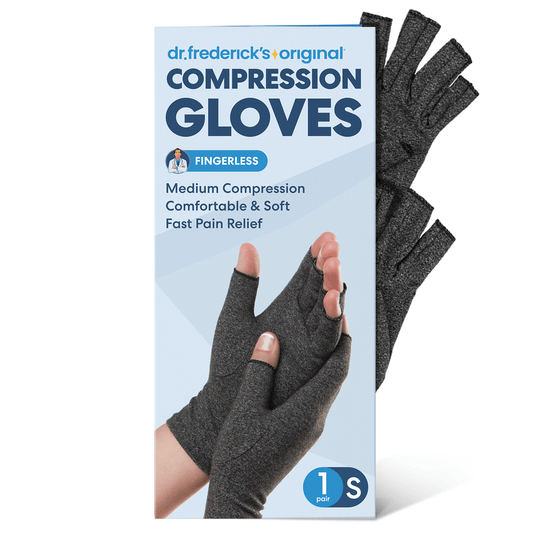
Compression Gloves
Smooth compression gloves perfect for typing, computer work, and all-day comfort -
Copper Infused


Copper Compression Gloves Fingerless
Copper-infused compression gloves designed for comfortable daily support during typing and activities -
Enhanced Grip

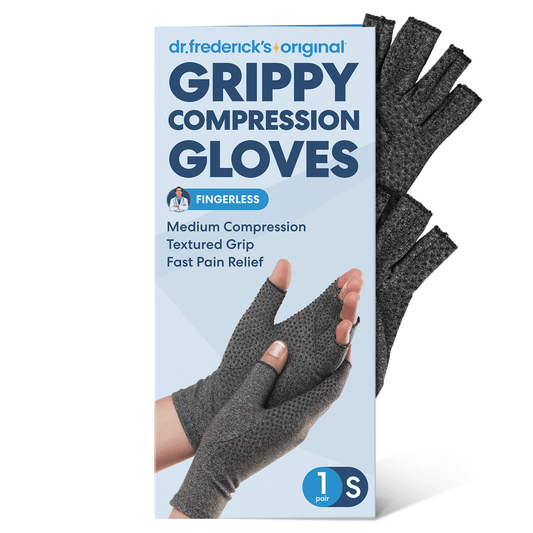
Compression Gloves Grippy
Breathable arthritis compression gloves featuring anti-slip technology -
#1 Choice

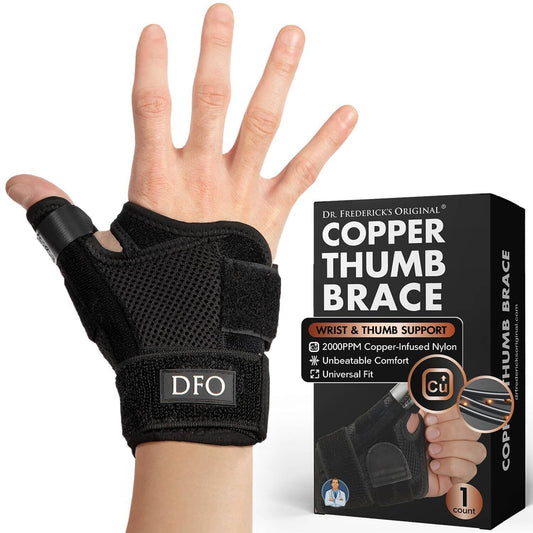
Copper Thumb & Wrist Brace Reversible
Adjustable copper brace providing thumb stabilization and comfort


GET 10% OFF YOUR FIRST ORDER
Get early access to new products, exclusive savings, and reminders about upcoming sales!
What Causes Wrist Pain and Discomfort?
Wrist pain and discomfort arise from overuse injuries, acute trauma, structural instability, and inflammatory medical conditions affecting the tendons, ligaments, nerves, and joints of the wrist. The wrist contains eight carpal bones, 13 tendons, the median nerve, the ulnar nerve, and the radial nerve all passing through a compact anatomical space vulnerable to compression, inflammation, and mechanical failure.
The causes of wrist pain and discomfort are listed below, covering the primary mechanisms that produce joint pain, tendon strain, nerve compression, and structural instability at the wrist. Repetitive Motion Overuse: Repetitive wrist and hand movements during typing, texting, assembly work, and racket sports generate cumulative tendon stress that exceeds the tendon sheath's capacity to absorb load without inflammation. Cleveland Clinic identifies wrist tendonitis from repetitive strain as occurring in approximately 0.5% of men and 1.3% of women, with overuse as the primary identified cause. Symptoms include localized wrist pain, stiffness, and a catching or popping sensation during wrist and finger movement. Acute Wrist Injury: Falls onto an outstretched hand, direct impact trauma, and forced wrist extension produce ligament sprains, scaphoid fractures, and triangular fibrocartilage complex tears at the wrist joint. Scaphoid fractures account for approximately 60% to 70% of all carpal bone fractures, with pain localized to the anatomical snuffbox at the thumb side of the wrist. Ligament tears produce wrist instability, swelling, and mechanical pain during gripping, twisting, and weight-bearing on the affected hand. Carpal Tunnel Syndrome: Carpal tunnel syndrome (CTS) compresses the median nerve as it passes through the carpal tunnel at the base of the wrist, producing numbness, tingling, and weakness in the thumb, index finger, middle finger, and radial half of the ring finger. Hospital for Special Surgery (HSS) identifies repetitive computer keyboard use, manual labor, and sustained wrist flexion as primary contributing factors to CTS development. Untreated CTS progresses to permanent nerve damage and grip weakness without splinting, activity modification, or surgical decompression. De Quervain's Tenosynovitis: De Quervain's tenosynovitis inflames the tendon sheath surrounding the abductor pollicis longus and extensor pollicis brevis tendons on the thumb side of the wrist, producing pain during pinching, grasping, and wrist ulnar deviation. Yale Medicine identifies repetitive thumb grasping, lifting young children, and racket sports as the primary activity-related triggers for De Quervain's. The Finkelstein test, performed by a physician in a clinical setting, confirms De Quervain's when wrist ulnar deviation with the thumb enclosed in a fist reproduces the characteristic thumb-side wrist pain. Wrist Arthritis: Osteoarthritis and rheumatoid arthritis produce cartilage degradation and joint inflammation at the radiocarpal, midcarpal, and CMC joints, causing chronic wrist pain, stiffness, and progressive grip strength loss. Rheumatoid arthritis affects the synovial lining symmetrically, producing morning stiffness lasting over 30 minutes and measurable joint swelling across the two wrists. CMC joint arthritis at the base of the thumb causes pain and instability during pinching and gripping, reflecting the broader spectrum of Wrist Pain mechanisms affecting tendon, nerve, and joint structures simultaneously..
What Injuries Commonly Lead to Wrist Pain?
Acute injuries producing wrist pain involve structural damage to the bones, ligaments, and cartilage of the wrist through impact trauma, forced joint loading, and twisting forces. The wrist contains 8 carpal bones, 13 tendons, and 3 major nerves compressed into a compact anatomical space vulnerable to fracture, ligament rupture, and cartilage failure under sudden loading.
The injuries commonly leading to wrist pain are listed below.
- Scaphoid Fracture: A scaphoid fracture is a break in the scaphoid bone at the thumb side of the wrist, producing localized pain in the anatomical snuffbox following a fall onto an outstretched hand. Scaphoid fractures account for approximately 60% to 70% of all carpal bone fractures, with pain aggravated by gripping, pinching, and weight-bearing on the affected wrist. Displaced scaphoid fractures require immobilization in a thumb spica cast for 8 to 12 weeks or surgical fixation to prevent avascular necrosis of the proximal scaphoid pole.
- Wrist Sprain: A wrist sprain is a ligament injury produced by forced wrist extension, hyperflexion, or rotational impact, graded from Grade 1 partial tears to Grade 3 complete ligament ruptures. Scapholunate ligament tears produce dorsal wrist pain, instability, and a clunking sensation during wrist loading and are the most common wrist ligament injury requiring clinical evaluation. Recovery from Grade 1 to 2 wrist sprains takes 2 to 6 weeks with splinting and activity modification, while Grade 3 tears require surgical repair to restore wrist joint stability.
- Triangular Fibrocartilage Complex Tear: A Triangular Fibrocartilage Complex (TFCC) tear is an injury to the cartilage and ligament structure stabilizing the ulnar side of the wrist, producing ulnar-sided wrist pain during forearm rotation, gripping, and wrist loading. TFCC tears occur through sudden rotational wrist trauma, repetitive loading, or degenerative wear in adults over 50, producing pain localized to the ulnar styloid and wrist joint space. Conservative management through 6 to 8 weeks of wrist immobilization addresses partial TFCC tears, while complete tears producing persistent mechanical instability require arthroscopic surgical debridement or repair.
- Distal Radius Fracture: A distal radius fracture breaks the radius bone at the wrist joint, producing immediate pain, swelling, deformity, and loss of wrist mobility following a fall or direct impact to the wrist. Colles fractures, the most common distal radius fracture type, involve dorsal displacement of the distal radius fragment and account for approximately 25% of all fractures in adults over 65. Treatment ranges from closed reduction and cast immobilization for non-displaced fractures to surgical fixation with volar locking plates for unstable or displaced fracture patterns.
What Medical Conditions are Associated with Wrist Pain?
Medical conditions producing wrist pain involve systemic inflammatory disease, nerve compression, and metabolic disorders affecting wrist joint, tendon, and nerve structures beyond isolated mechanical injury. Rheumatoid arthritis, CTS, gout, and Kienbock's disease each produce distinct pain patterns, joint changes, and functional limitations that differentiate condition-related wrist pain from acute trauma or overuse injury.
The medical conditions associated with wrist pain are listed below.
- Rheumatoid Arthritis: Rheumatoid arthritis (RA) is an autoimmune inflammatory condition causing symmetrical synovial joint inflammation, cartilage destruction, and bone erosion across the wrist, finger, and hand joints. RA produces morning wrist stiffness lasting more than 30 minutes, bilateral wrist swelling, and measurable grip strength reduction confirmed through disease activity scoring systems including the Disease Activity Score 28 (DAS28). Wrist compression gloves and braces from Dr. Frederick's Original reduce joint inflammation and stabilize the wrist during active RA flare-ups, complementing pharmacological management with disease-modifying antirheumatic drugs (DMARDs).
- Carpal Tunnel Syndrome: Carpal tunnel syndrome compresses the median nerve within the carpal tunnel, producing numbness, tingling, and weakness across the thumb, index, middle, and radial ring finger during sustained wrist flexion and extension. HSS identifies nighttime pain and waking from sleep with hand numbness as diagnostic indicators, with electromyography (EMG) and nerve conduction studies confirming median nerve compression severity. Wrist splinting in a neutral position during sleep and activity modification reduces CTS symptom progression, with surgical decompression reserved for cases unresponsive to 6 to 12 months of conservative management.
- Gout: Gout produces acute wrist joint inflammation through monosodium urate crystal deposition in the joint space, causing sudden severe wrist pain, warmth, redness, and swelling during gout flares. Serum uric acid levels above 6.8 mg/dL confirm hyperuricemia as the metabolic driver of gout, with wrist involvement occurring in approximately 20% of gout cases according to rheumatological epidemiological data. Acute gout management includes nonsteroidal anti-inflammatory drugs (NSAIDs), colchicine, and corticosteroids, with long-term urate-lowering therapy (allopurinol, febuxostat) reducing recurrent wrist joint flare frequency.
- Osteoarthritis: Wrist osteoarthritis produces cartilage degradation at the radiocarpal, midcarpal, and CMC joints, causing chronic wrist pain, crepitus, stiffness, and progressive loss of wrist flexion and extension range of motion. CMC joint osteoarthritis at the base of the thumb produces a characteristic squaring of the thumb base visible on physical examination, with X-ray findings confirming joint space narrowing and osteophyte formation. Compression gloves and wrist braces reduce CMC and radiocarpal joint load during daily tasks, providing mechanical pain relief as a conservative management complement to corticosteroid injections and occupational therapy.
- Diabetes-Related Neuropathy: Peripheral neuropathy from diabetes mellitus produces wrist and hand pain, numbness, tingling, and burning sensations through progressive nerve damage to the median, ulnar, and radial nerves supplying the wrist and hand. Patients with Type 2 diabetes and peripheral neuropathy carry a 3 to 5 times higher risk of developing CTS compared to non-diabetic individuals, according to research published in Diabetes Care. Glycemic control is the primary intervention for preventing neuropathic progression, with wrist bracing and compression gloves providing symptomatic joint and nerve pressure relief during daily activity.
What are the Symptoms of Wrist Pain that should not be Ignored?
Wrist pain symptoms requiring immediate medical attention involve structural damage indicators, progressive neurological signs, and inflammatory presentations that worsen without clinical intervention. Delayed diagnosis of scaphoid fractures, CTS, and triangular fibrocartilage complex (TFCC) tears produces permanent nerve damage, non-union fracture complications, and irreversible grip strength loss in adults across athletic and occupational populations.
The symptoms of wrist pain that should not be ignored are listed below.
- Visible Deformity or Swelling After Trauma: Visible wrist deformity, acute swelling, bruising, and loss of wrist mobility following a fall or direct impact indicate a probable fracture or ligament rupture requiring emergency radiographic evaluation. Distal radius fractures and scaphoid fractures produce deformity patterns that worsen without immobilization, risking malunion, avascular necrosis, and permanent wrist instability without prompt orthopaedic evaluation. Patients presenting with post-traumatic wrist deformity must seek emergency department evaluation within 24 hours of injury to establish fracture classification and initiate appropriate immobilization.
- Numbness or Tingling Extending into Fingers: Progressive numbness, tingling, or burning sensations radiating from the wrist into the thumb, index, middle, and ring fingers indicate median nerve compression consistent with CTS requiring clinical nerve conduction evaluation. HSS identifies nighttime numbness waking the patient from sleep and sustained numbness during daytime wrist use as indicators of moderate to severe CTS warranting EMG and nerve conduction velocity testing. Untreated CTS progresses to permanent thenar muscle atrophy and irreversible grip weakness without timely splinting, corticosteroid injection, or surgical decompression.
- Persistent Pain Lasting More Than Two Weeks: Wrist pain lasting beyond 14 days without measurable improvement through rest and activity modification indicates an underlying structural, inflammatory, or nerve compression condition requiring physician evaluation and diagnostic imaging. OrthoCarolina identifies pain persisting beyond a few days and interfering with daily tasks as a threshold for seeking specialist evaluation, with imaging and nerve testing identifying conditions undetectable through physical examination alone. Chronic wrist pain from TFCC tears, scapholunate ligament damage, and early wrist osteoarthritis produces no external deformity, making persistent pain the primary clinical indicator of structural injury requiring investigation.
- Grip Weakness Affecting Daily Function: Progressive grip strength reduction limiting the ability to open jars, turn doorknobs, or lift objects indicates tendon, nerve, or joint pathology requiring clinical assessment beyond conservative home management. Cleveland Clinic identifies difficulty with gripping and lifting as a diagnostic indicator of wrist tendonitis progression and CTS severity, with grip dynamometry measuring functional strength loss against normative age and sex-based reference values. Patients experiencing measurable grip weakness alongside wrist pain require physician evaluation to exclude CTS thenar atrophy, extensor tendon rupture in RA, and wrist instability from ligament disruption.
- Pain Worsening at Night or During Rest: Wrist pain intensifying at night or during rest periods indicates an inflammatory medical condition (RA, gout, or septic arthritis) rather than a mechanical overuse injury, requiring clinical evaluation to exclude systemic inflammatory or infectious pathology. RA characteristically produces morning stiffness lasting more than 30 minutes and bilateral wrist involvement, distinguishing it from unilateral mechanical overuse presentations requiring different treatment protocols. Nocturnal wrist pain in CTS arises from sustained wrist flexion during sleep compressing the median nerve, with nighttime splinting in a neutral wrist position providing immediate symptomatic relief.
How is Wrist Pain Diagnosed by Medical Professionals?
Medical professionals diagnose wrist pain through a structured physical examination, provocative testing, and diagnostic imaging sequence matched to the clinical presentation and suspected underlying pathology. The Finkelstein test, Phalen's maneuver, Watson scaphoid shift test, and Tinel's sign each target distinct wrist structures, narrowing the differential diagnosis before imaging confirms the suspected pathology.
Wrist pain is diagnosed by medical professionals by following the five methods listed below.
- Review Clinical History. The physician records onset, location, duration, aggravating activities, and prior wrist injuries before performing any physical assessment, establishing whether wrist pain is acute trauma-related, repetitive overuse-related, or consistent with systemic inflammatory or medical conditions. Relevant history includes occupation, dominant hand use, sports participation, pregnancy, diabetes diagnosis, and prior wrist or hand surgeries that alter the differential diagnosis and inform the examination sequence. Perform Physical Examination. The physician palpates the wrist joint, tendon insertions, carpal tunnel entry point, and anatomical snuffbox to localize tenderness and identify structural abnormalities, swelling, or deformity at specific anatomical landmarks. Range of motion assessment measures active and passive wrist flexion, extension, radial deviation, and ulnar deviation against normative values to identify restricted mobility patterns consistent with specific wrist conditions. Apply Provocative Tests. Finkelstein's test confirms De Quervain's tenosynovitis when ulnar wrist deviation with the thumb enclosed in a fist reproduces the characteristic thumb-side wrist pain. Phalen's test confirms CTS when sustained wrist flexion at 60 seconds reproduces thumb and finger numbness and tingling consistent with median nerve compression in the carpal tunnel. Order Diagnostic Imaging. X-ray imaging confirms or excludes bony pathology (fractures, dislocations, and CMC joint space narrowing from osteoarthritis) as the primary structural source of wrist pain. Magnetic Resonance Imaging (MRI) evaluates soft tissue structures including the TFCC, scapholunate ligament, and wrist tendon sheaths where clinical examination suggests internal derangement without visible bony abnormality on plain radiographs. Conduct Electrodiagnostic Testing. EMG and nerve conduction velocity testing confirm CTS severity by measuring median nerve conduction velocity across the carpal tunnel, grading compression from mild slowing to complete conduction block. Electrodiagnostic results guide treatment decisions from conservative splinting and corticosteroid injection at mild to moderate grades toward surgical decompression at severe grades with thenar denervation.
What Tests are Used to Diagnose Wrist Pain?
The tests used to diagnose wrist pain cover clinical provocative tests, imaging modalities, and electrodiagnostic studies matched to the suspected underlying pathology. Phalen's maneuver, Tinel's sign, the Finkelstein test, and the Watson scaphoid shift test each isolate distinct structural and neurological wrist pathologies that X-ray, MRI, and nerve conduction studies then confirm at the tissue and bone level.
The diagnostic tests used for wrist pain are listed below.
- Finkelstein's Test: Finkelstein's test is a clinical provocative test for De Quervain's tenosynovitis performed by placing the thumb across the palm, closing the fingers over it, and deviating the wrist toward the little finger. A positive result reproduces sharp pain at the base of the thumb on the radial side of the wrist, confirming tenosynovitis of the abductor pollicis longus and extensor pollicis brevis tendons. Yale Medicine identifies Finkelstein's test as the primary diagnostic tool for De Quervain's in clinical settings, requiring no imaging in straightforward presentations.
- Phalen's Test: Phalen's test is a clinical provocative test for CTS performed by holding both wrists in maximum passive flexion for 60 seconds to compress the carpal tunnel and provoke median nerve symptoms. A positive result reproduces numbness and tingling in the thumb, index, middle, and radial ring finger within the 60-second hold period, confirming clinically significant median nerve compression. Tinel's sign complements Phalen's test by reproducing distal tingling in the median nerve distribution when the examiner taps over the carpal tunnel at the wrist flexor crease.
- X-Ray Imaging: Wrist X-rays in posteroanterior, lateral, and oblique projections confirm fractures (distal radius, scaphoid, and carpal bones), joint dislocations, CMC joint space narrowing from osteoarthritis, and calcific tendinitis deposits visible on plain radiograph. Scaphoid fractures require dedicated scaphoid X-ray projections, with MRI ordered within 72 hours of negative plain radiographs when clinical suspicion remains high due to anatomical snuffbox tenderness. X-ray imaging excludes bony pathology before proceeding to soft tissue evaluation through MRI or electrodiagnostic testing.
- MRI: MRI evaluates wrist soft tissue structures including the TFCC, scapholunate and lunotriquetral ligaments, wrist tendon sheaths, and carpal tunnel contents at high resolution without ionizing radiation. TFCC tears, partial scapholunate ligament injuries, and early osteonecrosis of the scaphoid produce characteristic signal changes on MRI that plain radiographs and clinical examination cannot confirm independently. MRI arthrography, performed by injecting gadolinium contrast into the wrist joint space before imaging, improves detection sensitivity for partial ligament tears and TFCC perforations.
- EMG and Nerve Conduction Studies: EMG and nerve conduction velocity studies measure electrical conduction speed and amplitude across the median, ulnar, and radial nerves at the wrist to confirm compression neuropathy diagnosis and grade severity. Median nerve conduction velocity below 52 meters per second across the carpal tunnel confirms CTS, with amplitude reduction indicating axonal loss in moderate to severe cases. Electrodiagnostic results classify CTS severity from Grade 1 (mild conduction slowing without denervation) to Grade 6 (complete conduction block with thenar denervation), directly guiding the decision from conservative management toward surgical decompression.
When should you See a Doctor for Wrist Pain?
Medical evaluation for wrist pain is appropriate when pain persists beyond 14 days without improvement, when neurological symptoms (numbness, tingling, grip weakness) accompany joint pain, or when post-traumatic deformity or acute swelling follows a wrist injury. OrthoCarolina identifies wrist pain interfering with daily tasks, accompanied by numbness, swelling, or decreased grip strength as a threshold for seeking specialist evaluation rather than continuing home management. Visible deformity, acute inability to bear weight on the wrist, or complete loss of wrist mobility after a fall or direct impact requires emergency evaluation within 24 hours to exclude fractures requiring urgent immobilization. CTS presenting with nocturnal numbness waking the patient from sleep, progressive daytime tingling, or measurable grip strength loss warrants physician evaluation for EMG and nerve conduction testing to grade nerve compression severity before permanent thenar atrophy develops. Inflammatory wrist conditions producing bilateral joint swelling, morning stiffness lasting more than 30 minutes, or systemic symptoms (fatigue, fever, weight loss) require rheumatological evaluation to exclude RA, gout, and reactive arthritis requiring systemic medical management. Physician evaluation within 48 hours is appropriate for any wrist presentation combining pain, neurological symptoms, and functional grip impairment that fails to respond to 48 hours of rest, splinting with Dr. Frederick's Original wrist braces, and activity modification.
What are the Best Treatments for Wrist Pain Relief?
The best treatments for wrist pain relief target the specific mechanism — structural stabilization, nerve decompression, tendon load reduction, or inflammatory suppression — matched to the underlying condition causing the wrist pain. Cleveland Clinic, HSS, and Yale Medicine each document distinct treatment hierarchies for CTS, De Quervain's tenosynovitis, scaphoid fractures, and wrist arthritis, confirming that condition-matched treatment produces measurably better outcomes than generalized wrist pain management protocols.
The best treatments for wrist pain relief are listed below.
- Wrist Splinting and Bracing: Wrist splinting immobilizes the wrist joint in a neutral position, reducing tendon stress, nerve compression, and joint inflammation during recovery from CTS, De Quervain's tenosynovitis, and wrist sprains. Family Doctor identifies splint wear for 4 to 6 weeks as the primary conservative treatment for De Quervain's tenosynovitis, with the spica splint design restricting thumb and wrist extension at the abductor pollicis longus and extensor pollicis brevis tendon sheaths. The Waterproof Thumb and Wrist Brace and Reversible Copper Infused Wrist Thumb Brace from Dr. Frederick's Original deliver physician-developed spica splint stabilization at $12.99 to $15.99 for at-home wrist pain management.
- NSAID Medications: Nonsteroidal anti-inflammatory drugs (NSAIDs) (ibuprofen, naproxen) reduce wrist tendon and joint inflammation by inhibiting cyclooxygenase (COX-1 and COX-2) enzyme pathways that produce prostaglandins at the inflammation site. Family Doctor recommends oral NSAIDs as a front-line pharmacological treatment for De Quervain's tenosynovitis alongside splinting and activity modification during the acute inflammatory phase. Topical diclofenac gel applied directly to the wrist delivers localized NSAID anti-inflammatory activity without the systemic gastrointestinal risk associated with oral NSAID use.
- Corticosteroid Injection: Corticosteroid injection into the tendon sheath or carpal tunnel delivers concentrated anti-inflammatory medication directly to the inflamed tissue, producing symptomatic relief lasting 3 to 12 months in CTS and De Quervain's tenosynovitis according to HSS clinical guidelines. A single corticosteroid injection resolves De Quervain's tenosynovitis completely in approximately 50% to 80% of patients receiving injection alongside splinting during the first treatment course. CTS injections are repeated at intervals of 3 to 6 months in patients achieving partial relief, with surgical decompression indicated when two or more injections fail to produce sustained symptom resolution.
- Physical Therapy: Physical therapy for wrist pain combines manual therapy, therapeutic exercise, tendon gliding exercises, and ergonomic retraining to restore wrist mobility, tendon function, and grip strength through a structured rehabilitation program. The Prehab Guys identify tendon gliding exercises and grip strengthening as the primary rehabilitation tools for CTS and De Quervain's recovery, with progressive loading restoring functional tendon capacity without aggravating the underlying inflammation. Physical therapy reduces the CTS surgical rate when initiated early, with HSS reporting physical therapy as an effective conservative treatment for mild to moderate CTS in patients presenting before thenar atrophy develops.
- Surgical Intervention: Carpal tunnel release surgery decompresses the median nerve by dividing the transverse carpal ligament, producing immediate nerve pressure reduction and symptom resolution in 85% to 90% of correctly diagnosed CTS cases. De Quervain's surgical release incises the first extensor compartment retinaculum to create space for the abductor pollicis longus and extensor pollicis brevis tendons, with most patients returning to daily routine within a few weeks of the procedure according to Medical News Today. Surgical treatment is reserved for cases unresponsive to 6 to 12 months of conservative management including splinting, NSAIDs, and corticosteroid injections.
What Medications are Commonly Used for Wrist Pain Relief?
Medications for wrist pain relief target inflammation, nerve pain, and acute joint pain through distinct pharmacological mechanisms matched to the underlying wrist condition. Nonsteroidal anti-inflammatory drugs (NSAIDs), corticosteroid injections, and topical analgesics address wrist pain through separate pathways, covering acute tendon inflammation, chronic joint degeneration, and median nerve compression across CTS, De Quervain's tenosynovitis, and wrist arthritis diagnoses.
The medications commonly used for wrist pain relief are listed below.
- NSAIDs: NSAIDs (ibuprofen at 400 mg to 800 mg per dose and naproxen at 220 mg to 500 mg per dose) reduce wrist tendon and joint inflammation by inhibiting COX-1 and COX-2 prostaglandin synthesis pathways at the injury site. Family Doctor recommends oral NSAIDs as a front-line treatment for De Quervain's tenosynovitis alongside splinting, with maximum daily doses capped at 3,200 mg for ibuprofen and 1,000 mg for naproxen to limit gastrointestinal risk. Topical diclofenac 1% gel applied directly to the wrist three to four times daily delivers localized NSAID activity without the systemic absorption and GI risk profile of oral formulations.
- Corticosteroids: Corticosteroid injections (triamcinolone acetonide, methylprednisolone acetate) delivered directly into the carpal tunnel or first extensor compartment produce concentrated anti-inflammatory activity lasting 3 to 12 months per injection in CTS and De Quervain's tenosynovitis patients. HSS identifies corticosteroid injection as a highly effective treatment for CTS, with a single injection producing relief lasting 3 to 12 months in patients with mild to moderate nerve compression severity. Oral corticosteroids (prednisone) are prescribed in short-course bursts of 5 to 10 days for acute inflammatory wrist flares from gout or RA when injectable access is unavailable.
- Colchicine: Colchicine at 0.6 mg to 1.2 mg per day prevents acute gout flares at the wrist by inhibiting neutrophil migration and inflammatory crystal phagocytosis within the affected joint space. Colchicine is initiated within 12 to 24 hours of acute gout onset to achieve maximum anti-inflammatory effect, with dose reduction required in patients with renal impairment below an estimated glomerular filtration rate (eGFR) of 30 mL/min. Long-term gout prevention requires urate-lowering therapy with allopurinol or febuxostat rather than continued colchicine use beyond the acute flare management period.
- Gabapentin and Pregabalin: Gabapentin (300 mg to 1,800 mg per day) and pregabalin (75 mg to 300 mg per day) reduce neuropathic pain from CTS and diabetic peripheral neuropathy by modulating voltage-gated calcium channels in the dorsal horn of the spinal cord. HSS identifies medications targeting nerve-specific pain pathways as conservative CTS treatment options when splinting and NSAIDs produce incomplete symptom relief. Gabapentin and pregabalin require dose titration over 2 to 4 weeks to achieve therapeutic neuropathic pain reduction, with sedation and dizziness as the primary dose-limiting side effects during titration.
- Topical Analgesics: Topical lidocaine patches and capsaicin cream deliver localized pain relief at the wrist surface without systemic drug absorption, targeting acute wrist pain and neuropathic burning sensations from peripheral nerve irritation. Lidocaine 5% patches applied to the wrist for up to 12 hours per day reduce localized pain signal transmission by blocking sodium channels in peripheral nociceptive nerve fibers at the application site. Capsaicin 0.025% to 0.075% cream depletes substance P at wrist joint nociceptors through repeated application, reducing chronic wrist pain signal intensity over 2 to 4 weeks of consistent use.
Can Wrist Braces Help with Wrist Pain Relief?
Yes, wrist braces help with wrist pain relief by immobilizing the thumb and wrist joint in a neutral position, reducing tendon sheath friction, nerve compression, and joint inflammation during recovery from CTS, De Quervain's tenosynovitis, and wrist overuse injuries. Family Doctor identifies spica splint wear for 4 to 6 weeks as the primary conservative treatment for De Quervain's tenosynovitis, with structural immobilization reducing first extensor compartment tendon friction and inflammatory progression. HSS confirms that neutral wrist position splinting during sleep and repetitive activity reduces CTS symptom severity by eliminating the sustained carpal tunnel compression that wrist flexion and extension produce during daily use. The Waterproof Thumb and Wrist Brace $12.99 delivers spica splint stabilization across the thumb and wrist using a moisture-resistant construction that maintains structural support during sports, water exposure, and sleep without restricting full wrist mobility for daily tasks. The Reversible Copper Infused Wrist Thumb Brace $15.99 delivers adjustable copper-infused compression for left or right hand wrist conditions, with the reversible design accommodating bilateral wrist pain presentations in a single brace unit. Physician consultation is appropriate before initiating wrist brace use for presentations involving post-traumatic deformity, severe swelling, or neurological symptoms requiring clinical diagnosis prior to self-managed conservative treatment with a Wrist Brace.
What are the most Effective Wrist Pain Relief Exercises?
Wrist pain relief exercises cover flexor and extensor stretching, tendon gliding sequences, and progressive grip strengthening matched to the specific condition producing wrist pain. Physical therapists at HSS and Benchmark Physical Therapy prescribe distinct exercise protocols for CTS, De Quervain's tenosynovitis, and wrist arthritis, with exercise frequency ranging from 2 to 3 sessions daily during acute recovery through 4 to 5 sessions weekly during the strengthening phase.
The five most effective wrist pain relief exercises are listed below.
- Perform Wrist Flexor Stretch. Extend the arm with the palm facing upward and use the opposite hand to gently pull the fingers back toward the forearm until a moderate stretch is felt along the palm-side forearm flexor tendons. Hold the stretch for 15 seconds per hand, repeat three times per session, and perform up to three sessions daily without resistance loading. Cleveland Clinic identifies wrist flexor stretching as a front-line exercise for CTS and De Quervain's tenosynovitis, reducing flexor tendon sheath tightness during the first 2 to 4 weeks of conservative treatment. Note: Cleveland Clinic advises avoiding weighted wrist flexion exercises in patients with confirmed CTS, as loaded flexion worsens carpal tunnel compression.
- Perform Wrist Extensor Stretch. Extend the arm with the palm facing downward and use the opposite hand to gently pull the fingers toward the body until a moderate stretch is felt along the dorsal forearm extensor tendons. Hold the stretch for 15 seconds per hand, repeat three times per session, and perform up to three sessions daily within a pain-free range of motion. Wrist extensor stretching directly targets the extensor pollicis brevis and abductor pollicis longus tendons inflamed in De Quervain's tenosynovitis, reducing first extensor compartment sheath tightness alongside splint use.
- Complete Tendon Gliding Exercises. Begin with the hand flat and fingers extended, progress through a hook fist (fingers bent at the first two joints), a full fist (fingers curled completely), and a straight fist (fingers flat against the palm) in a sequential movement pattern. Perform 10 repetitions of the full gliding sequence three times daily to restore smooth tendon excursion through the carpal tunnel and flexor tendon sheaths. The Prehab Guys identify tendon gliding as a primary CTS rehabilitation exercise for restoring median nerve and flexor tendon mobility through the carpal tunnel without loading the compressed nerve.
- Practice Wrist Circles. Extend both arms forward at shoulder height and perform slow controlled wrist circles in both clockwise and counterclockwise directions through the full available pain-free range of motion. Complete 10 repetitions in each direction per hand, twice daily, to maintain radiocarpal and midcarpal joint mobility during tendon recovery without compressive joint loading. OrthoCarolina identifies wrist circles as a mobility maintenance exercise appropriate across CTS, De Quervain's, and general wrist stiffness presentations when performed within a pain-free range.
- Build Progressive Grip Strength. Squeeze a soft rubber ball or hand gripper at a comfortable resistance level, holding the contraction for 3 to 5 seconds before relaxing, and complete three sets of 10 repetitions three times per week to progressively reload the wrist flexor tendons during recovery. Cleveland Clinic recommends grip strengthening at a controlled resistance level three times per week with adequate rest days to prevent tendon re-irritation during progressive loading. Grip dynamometry measuring pre- and post-exercise grip force in kilograms quantifies strengthening progress against normative values for wrist pain recovery in the Wrist Pain Exercise program.
Can Exercises Worsen Wrist Pain?
Yes, exercises worsen wrist pain when performed at loads, ranges, or frequencies exceeding the inflamed tendon's, compressed nerve's, or injured joint's tolerance during the acute and subacute recovery phases. Cleveland Clinic specifically advises against weighted wrist flexion exercises in patients with confirmed CTS, as loaded flexion increases carpal tunnel pressure and compresses the median nerve beyond the tissue's tolerance during active nerve decompression recovery. Sword Health identifies heavy gripping, high-load wrist twisting, and wrist exercises performed with the wrist in a bent position as contraindicated during the early wrist rehabilitation phase, as these loading patterns produce tendon irritation and joint stress above the tissue's current repair capacity. Exercises performed through a painful range of motion rather than a pain-free range produce mechanical trauma to recovering tendon tissue, extending the inflammatory phase and delaying the progression from the inflammatory to the proliferative healing stage. The 48-hour post-exercise soreness rule applies to wrist strengthening: soreness lasting beyond 24 to 48 hours after a strengthening session indicates excessive loading requiring resistance reduction before the next session. Medical evaluation is appropriate when wrist exercise produces acute sharp pain, increased swelling, or new neurological symptoms (numbness, tingling) not present before the exercise session began.
How can you Prevent Wrist Pain from Recurring?
Preventing wrist pain from recurring requires structured ergonomic adjustments, progressive loading management, rest interval scheduling, and supportive equipment use to reduce cumulative tendon and joint stress below the injury threshold during daily and athletic activity. Benchmark Physical Therapy and Sports Injury Clinic document recurrence rates dropping measurably when patients maintain ergonomic keyboard and mouse positioning, resistance band strengthening 3 to 4 times weekly, and compression support during high-load activity following initial CTS, De Quervain's tenosynovitis, or wrist sprain recovery.
The four steps for preventing wrist pain from recurring are listed below.
- Implement the 20-2 Rule During Repetitive Tasks. Take a 2-minute break from typing or repetitive wrist activity every 20 minutes to allow the flexor tendons, carpal tunnel contents, and wrist joint structures to recover from accumulated mechanical loading before strain exceeds the tissue's repair capacity. OrthoCarolina identifies the 20-2 rule as more effective for reducing cumulative wrist strain than longer infrequent breaks, as short frequent recovery intervals prevent the sustained tendon sheath irritation that drives wrist tendonitis development. Set a timer or use a desktop notification application to enforce the 20-2 interval during sustained keyboard, assembly, and grip-intensive work sessions.
- Maintain Wrist Neutral Position During Activity. Position the wrist in a neutral alignment (zero degrees of flexion or extension) during typing, mouse use, and tool handling to minimize carpal tunnel pressure and extensor compartment tendon friction throughout the activity session. Ergonomic keyboards with a split or tented design and padded wrist rests maintain the neutral wrist position that prevents the sustained wrist flexion producing CTS and extensor tendon overuse. Adjust workstation desk height so the elbows are at 90 degrees and the forearms are parallel to the floor, placing the wrist naturally in a neutral position without active muscle effort to maintain alignment.
- Wear Wrist Braces During High-Risk Activity. Use the Waterproof Thumb and Wrist Brace $12.99 or Reversible Copper Infused Wrist Thumb Brace $15.99 during activities producing prior wrist pain episodes (typing sessions, gardening, racket sports) to maintain structural wrist support and reduce tendon loading below the recurrence threshold. Wrist bracing during sleep prevents nocturnal wrist flexion that compresses the carpal tunnel and produces nighttime CTS numbness in patients with prior median nerve compression history. Compression gloves ($15.99 to $20.99) worn during grip-intensive activity reduce hand and finger joint loading that accumulates into recurrent wrist and hand tendon inflammation without structural support.
- Perform Daily Wrist Mobility and Strengthening Exercises. Complete wrist flexor stretches, extensor stretches, and tendon gliding sequences daily to maintain tendon sheath mobility, flexor-extensor strength balance, and carpal tunnel tissue health above the threshold at which loading produces inflammation. Cleveland Clinic recommends daily wrist stretching and strengthening exercises three times per week as a prevention strategy for patients with prior CTS and De Quervain's tenosynovitis, rebuilding tendon load capacity before repetitive activity exceeds it. Progressive grip strengthening at three times per week using a hand gripper or resistance band maintains the wrist flexor tendon strength that reduces De Quervain's and carpal tunnel recurrence risk during sustained repetitive work.
Which Daily Habits Improve Long-Term Wrist Health?
Daily habits improving long-term wrist health target joint mobility maintenance, tendon load management, ergonomic positioning, and circulation support across the wrist and hand structures. Wrist flexor and extensor stretching, resistance band strengthening, and neutral wrist positioning during keyboard and mouse use reduce cumulative tendon stress by maintaining tissue load below the inflammatory threshold across 4 to 8 hours of daily desk activity.
The daily habits that improve long-term wrist health are listed below.
- Morning Wrist Mobility Routine: Performing wrist circles, tendon gliding exercises, and thumb opposition movements for 5 minutes each morning before beginning work or athletic activity prepares the flexor and extensor tendons for load by distributing synovial fluid across the radiocarpal and midcarpal joint surfaces. Medical News Today identifies daily wrist and hand stretching as a strategy for reducing tendonitis and CTS risk in adults performing sustained computer and manual labor work by maintaining tendon sheath mobility above the friction threshold. A consistent morning mobility routine reduces the time-to-full-function delay experienced after overnight rest periods, when reduced synovial circulation increases tendon sheath stiffness.
- Hydration and Anti-Inflammatory Nutrition: Maintaining daily fluid intake at 2 to 3 liters supports synovial fluid viscosity in the radiocarpal joint, reducing cartilage friction and joint inflammation during repetitive wrist loading. Anti-inflammatory dietary patterns (omega-3 fatty acid intake from fatty fish, Mediterranean diet adherence) reduce systemic inflammatory marker levels including C-reactive protein (CRP) and interleukin-6 (IL-6), lowering the baseline inflammatory load that amplifies wrist tendon irritation from mechanical overuse. Dietary uric acid reduction through reduced purine intake lowers serum urate levels below 6.8 mg/dL in gout-susceptible patients, preventing urate crystal deposition in the wrist joint space between acute flares.
- Compression Glove Use During Sustained Hand Activity: Wearing compression gloves from Dr. Frederick's Original ($15.99 to $20.99) during prolonged typing, crafting, and grip-intensive tasks applies graduated joint pressure that reduces hand and wrist tendon inflammation accumulation across extended work sessions. The Arthritis Compression Gloves and Grippy Arthritis Gloves maintain consistent finger and knuckle joint compression during activities that generate the highest repetitive strain injury rates in office and manual labor populations. Machine-washable fabric with smart-seam stitching maintains compression integrity through repeated daily use without degrading the graduated pressure that supports long-term wrist and hand tendon health.
- Ergonomic Workstation Setup: Positioning the monitor at eye level, keyboard at elbow height, and mouse within forearm reach maintains the neutral wrist alignment that prevents carpal tunnel pressure accumulation and extensor tendon overuse during sustained computer work. An ergonomic computer mouse with a vertical grip design reduces ulnar wrist deviation, lowering the De Quervain's tenosynovitis risk associated with sustained horizontal mouse positioning across work sessions exceeding four hours per day. Investing in an ergonomic keyboard, padded wrist rest, and adjustable desk reduces cumulative wrist loading by placing the joint in a mechanically advantageous neutral position throughout the work session.
How can Athletes Reduce the Risk of Wrist Injuries?
Athletes reduce wrist injury risk through structured warm-up protocols, progressive load management, sport-specific bracing, and technique modification that limit peak wrist joint and tendon loading during training and competition. Sports Injury Clinic documents wrist injury recurrence rates dropping measurably in gymnasts, tennis players, and martial artists who maintain pre-session wrist mobility work, progressive grip strengthening 3 to 4 times weekly, and load management protocols keeping weekly training volume increases below 10%.
The steps athletes follow to reduce wrist injury risk are listed below.
- Complete a Wrist-Specific Warm-Up Before Training. Perform wrist circles, wrist flexor and extensor stretches, and tendon gliding exercises for 5 minutes before beginning sport-specific wrist loading in racket sports, gymnastics, weightlifting, and martial arts. OrthoCarolina identifies pre-activity stretching as a wrist injury prevention practice that reduces tendon stiffness and improves joint mobility before loading, lowering the microtrauma rate during the first sets of activity when tissue compliance is lowest. A structured warm-up raising wrist tissue temperature and synovial fluid distribution reduces the peak stress required to initiate tendon and ligament deformation during the first training repetitions.
- Apply Progressive Load Management to Wrist-Intensive Training. Increase weekly wrist-loading volume (grip training sets, racket swings, handstand holds) by no more than 10% per week to allow tendon and ligament adaptation without exceeding the tissue's cumulative load tolerance. Tendon adaptation to progressive loading occurs over 8 to 12 weeks of consistent training at controlled volumes, building load-bearing capacity that reduces De Quervain's, scapholunate ligament, and TFCC injury risk during sustained sport-specific activity. Track weekly wrist training volume through training logs, monitoring for pain persistence beyond 24 hours after sessions as the primary indicator of excessive loading requiring volume reduction.
- Use Sport-Specific Wrist Bracing During High-Risk Activity. Wear the Reversible Copper Infused Wrist Thumb Brace $15.99 during racket sports, climbing, and grip-intensive training sessions where prior wrist pain episodes indicate existing tendon vulnerability requiring structural support. Wrist taping or bracing reduces wrist joint range of motion by 15% to 30% in contact and collision sports, lowering the peak joint loading that produces ligament sprains and TFCC tears during awkward wrist positioning under external force. Remove wrist braces after training sessions and apply compression gloves during post-activity recovery periods to maintain graduated joint pressure without restricting the wrist mobility needed for sport-specific movement patterns.
- Modify Technique to Reduce Peak Wrist Loading. Adjust grip width, racket string tension, keyboard angle, and barbell wrist positioning to distribute force across the full wrist joint rather than concentrating it at the radial or ulnar deviation extreme. The Prehab Guys identify grip mechanics correction in racket sports and tool handling as a primary De Quervain's and wrist tendonitis prevention intervention, reducing abductor pollicis longus and extensor pollicis brevis loading at the first extensor compartment. Work with a coach, physical therapist, or sports biomechanist to identify technique patterns generating abnormal wrist joint loading before cumulative strain produces a clinical overuse injury.
What are the Best Ergonomic Tools for Wrist Pain Prevention?
Ergonomic tools for wrist pain prevention reduce wrist joint and tendon loading produced by sustained neutral position deviation, repetitive gripping, and cumulative keyboard and mouse use. Carpal tunnel syndrome (CTS), De Quervain's tenosynovitis, and repetitive strain injury (RSI) develop at measurably higher rates in desk workers logging 4 or more hours of daily keyboard and mouse use without ergonomic intervention.
The best ergonomic tools for wrist pain prevention are listed below.
- Ergonomic Keyboard: An ergonomic split or tented keyboard positions the hands in a neutral forearm and wrist alignment during typing, reducing the sustained ulnar deviation and wrist flexion that accumulates into CTS and De Quervain's tenosynovitis during workdays exceeding four hours of keyboard use. Benchmark Physical Therapy identifies ergonomic keyboard use alongside workstation height adjustment as a front-line wrist pain prevention tool for desk workers with prior CTS or wrist repetitive strain injury history. Split keyboard designs reduce carpal tunnel pressure accumulation by maintaining the wrist in a neutral zero-degree flexion position throughout the typing session rather than the 20 to 30 degrees of wrist flexion produced by standard flat keyboard layouts.
- Vertical Ergonomic Mouse: A vertical ergonomic mouse positions the hand in a handshake grip orientation during use, placing the forearm in a neutral pronation-supination position that reduces the sustained ulnar wrist deviation generated by horizontal mouse positioning during computer work. Sports Injury Clinic identifies the ergonomic computer mouse as a tool reducing wrist and median nerve strain during computer use by maintaining natural wrist alignment that standard horizontal mouse designs do not support during sustained use. Vertical mouse use reduces De Quervain's tenosynovitis recurrence risk in adults with prior thumb-side wrist pain history by eliminating the sustained wrist radial deviation that loads the first extensor compartment tendons during horizontal mouse pointing.
- Padded Wrist Rest: A padded wrist rest positioned at keyboard height provides a soft support surface maintaining the wrist in a neutral position during typing pauses, reducing the sustained wrist flexion that accumulates into carpal tunnel pressure during prolonged desk work sessions. Wrist rests made from memory foam or gel materials distribute contact pressure across the carpal tunnel entry point more evenly than hard desk surfaces, reducing localized median nerve compression at the wrist crease during keyboard rest intervals. Benchmark Physical Therapy recommends wrist rest use as an ergonomic complement to keyboard and mouse adjustment, addressing the wrist loading that occurs during rest intervals between active typing bursts.
- Resistance Bands for Wrist Strengthening: Resistance bands calibrated from light to medium resistance deliver controlled wrist flexion, extension, radial deviation, and ulnar deviation strengthening during rehabilitation and prevention exercise programs without the joint compression associated with free weight wrist loading. Sports Injury Clinic identifies resistance band wrist training as a rehabilitation tool for restoring full wrist flexor-extensor strength balance after CTS and De Quervain's recovery, with progressive band resistance replacing free weights in the final strengthening phase before return to sport. Resistance band sets with four to six resistance levels allow progressive wrist loading from light rehabilitation at 0.5 kg equivalent resistance through medium sport-preparation loading at 3 to 5 kg equivalent resistance across a structured wrist recovery program.
- Compression Gloves for Daily Wrist Support: Compression gloves ($15.99 to $20.99) from Dr. Frederick's Original worn during typing, crafting, and grip-intensive daily tasks apply graduated joint pressure that reduces hand and wrist tendon inflammation accumulation across work sessions exceeding four hours. The Arthritis Compression Gloves, Grippy Arthritis Gloves, and Copper Arthritis Glove maintain consistent wrist and hand joint compression during activities producing the highest repetitive strain injury rates in office and manual labor populations. HSA and FSA eligibility makes compression glove purchasing through medical spending accounts a financially accessible ergonomic wrist pain prevention tool for patients with prior wrist tendon conditions.
How Long does Shipping Take for Wrist Pain Relief?
Wrist pain relief shipping from Dr. Frederick's Original takes 3 to 7 business days for standard United States domestic delivery, with orders processed and dispatched within 1 business day of placement. The 1-business-day processing window means orders placed on Monday ship by Tuesday, with carrier transit time determining delivery within the 3 to 7 business day window based on the destination region. Free standard shipping applies to United States orders totaling $35 or above, with orders below the $35 threshold incurring standard carrier-based shipping fees selected at checkout. Subscription orders receive free shipping permanently on all United States orders regardless of order total, making recurring purchases the most cost-effective delivery option for patients managing chronic wrist conditions requiring ongoing brace or glove replacement. Expedited shipping options appear at checkout based on delivery address and order timing, giving patients managing acute wrist pain flare-ups access to faster delivery outside the standard 3 to 7 business day window. Orders shipped through Dr. Frederick's Original are dispatched within 1 business day across the full wrist pain relief product line, from the Waterproof Thumb and Wrist Brace to the Copper Arthritis Glove, without product-specific processing delays affecting Shipping timelines.
Are Wrist Pain Relief Shipped in Discreet Packaging?
Yes, wrist pain relief products from Dr. Frederick's Original are shipped in discreet packaging. External packaging does not display product contents, condition-specific labeling, or brand-identifying health product descriptions visible from the outside, protecting buyer privacy at home and workplace delivery addresses. Discreet shipping is a standard practice across Dr. Frederick's Original's full health and comfort product range. Wrist pain relief items (wrist braces, compression gloves, and thumb supports) are packaged in plain outer boxes or mailers without descriptive exterior labeling identifying the product type or medical condition addressed. Recipients at a home or office address receive the package without contents being identifiable from the exterior of the shipment.
Is Shipping Free on Wrist Pain Relief Orders for Dr. Federick's?
Yes, shipping is free on wrist pain relief orders from Dr. Frederick's Original that meet the $35 minimum threshold for United States domestic orders. Orders totaling $35 or above automatically qualify for free standard shipping at checkout without requiring a discount code or promotional period. Subscription orders receive free shipping permanently on all United States orders regardless of order total, making the subscription route the consistently lowest-cost delivery option across recurring wrist pain relief purchases. Individual products (the Waterproof Thumb and Wrist Brace at $12.99 and the Reversible Copper Infused Wrist Thumb Brace at $15.99) fall below the $35 free shipping threshold on their own. Combining a wrist brace with compression gloves ($15.99 to $20.99) or ordering multiple wrist pain relief products in one cart brings the order total above the free shipping threshold. Subscribers receive 10% off every order in addition to permanent free shipping, making the subscription the most cost-effective option for ongoing wrist pain management requiring recurring product replacement.
What Is the Refund Policy of Dr. Federick's for Wrist Pain Relief?
The refund policy of Dr. Frederick's Original for wrist pain relief is the "Get Back to It Guarantee," offering a full money-back refund or product replacement if the wrist pain relief product does not deliver results within 30 days of purchase. The guarantee covers the full wrist pain relief product line, including the Waterproof Thumb and Wrist Brace, Reversible Copper Infused Wrist Thumb Brace, Arthritis Compression Gloves, Grippy Arthritis Gloves, and Copper Arthritis Glove. A full refund or replacement product is issued when the purchased item fails to help the patient return to comfortable daily activity within the 30-day guarantee window. Customers initiate the refund or replacement process by contacting Dr. Frederick's Original customer support before the 30-day purchase window closes, providing the order reference to verify purchase date and product eligibility. The guarantee applies uniformly across the wrist pain relief product line without distinction between product category, price point, or whether the product was purchased as a single unit or as part of a subscription order.
How Long do I Have to Request a Refund on Wrist Pain Relief?
A refund request for wrist pain relief products must be submitted within 30 days of purchase to qualify under Dr. Frederick's Original's "Get Back to It Guarantee." The 30-day window is defined from the date of purchase, not the date of delivery, making early contact advisable if relief is not occurring within the first 2 weeks of consistent product use. Requests submitted after the 30-day mark fall outside the guarantee coverage period and are not eligible for refund or replacement under the standard policy. Contacting Dr. Frederick's Original customer support before the 30-day deadline initiates the resolution process, with a full refund or replacement product issued based on the customer's preference. Early contact within the first 2 weeks of use is recommended for patients not experiencing measurable wrist pain reduction, as the 30-day window runs from purchase date and allows insufficient lead time for resolution if contact is delayed until day 28 or 29.
Can I Return Wrist Pain Relief If They Don’t Relieve the Pain?
Yes, wrist pain relief products from Dr. Frederick's Original are returnable if they do not relieve pain within 30 days of purchase under the "Get Back to It Guarantee." Customers experiencing no measurable improvement in wrist pain, thumb tendon discomfort, hand joint compression, or finger inflammation within 30 days of consistent product use are entitled to contact customer support for a resolution. Dr. Frederick's Original offers a replacement product or a full refund based on the customer's preference, reflecting the physician-founded commitment to delivering results rather than only processing product returns. The return is valid for used products that received a full trial period, as the guarantee covers patients who applied the product consistently during the 30-day window rather than unused items left in packaging. Contact must be initiated before the 30-day purchase deadline to qualify, with the order reference confirming purchase date eligibility under the guarantee terms.
Are Used Wrist Pain Relief Eligible for a Refund?
Yes, used wrist pain relief products from Dr. Frederick's Original are eligible for a refund under the "Get Back to It Guarantee." The guarantee covers products that have been worn, applied, and given a full trial period during the 30-day window but failed to produce the expected wrist pain relief. An unused product left in its original packaging does not qualify under the results-based guarantee, as the policy covers patients who gave the product a complete and consistent trial rather than those returning an unopened item. Wrist braces, compression gloves, and thumb supports are covered as used products under the 30-day return window without requiring the product to be in unused or unopened condition for refund eligibility. Customers submit a refund or replacement request through Dr. Frederick's Original customer support within the 30-day purchase window, with the order reference confirming purchase date and product eligibility under the guarantee terms.
