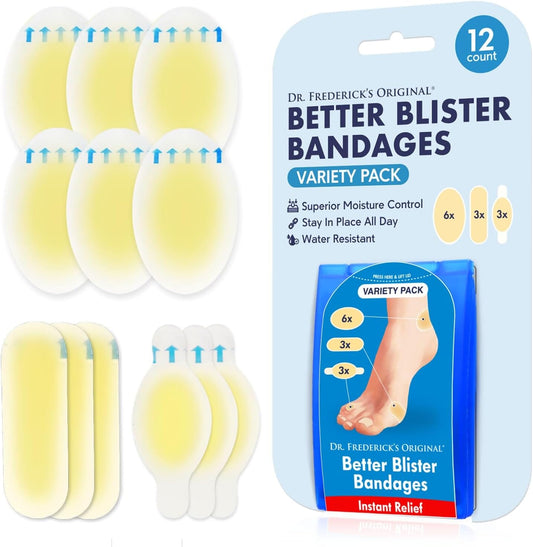
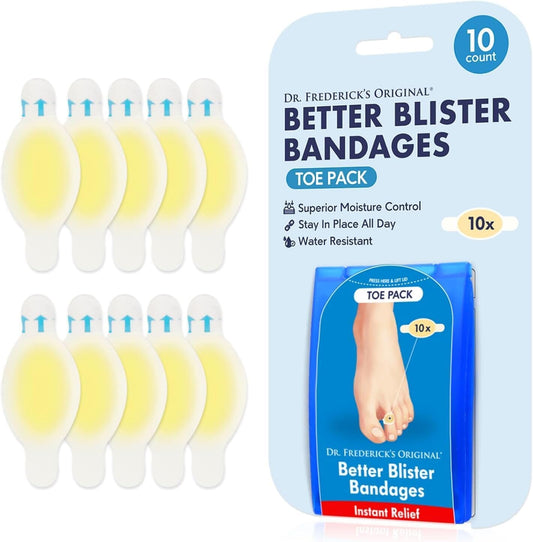
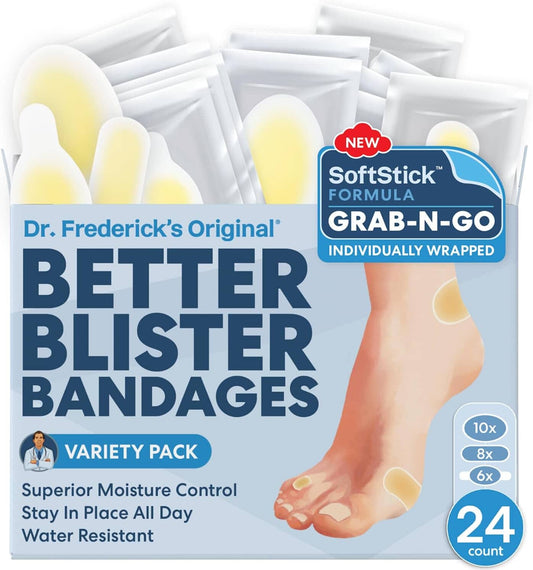
Claw Toe Relief Defined
What is the Use of Claw Toe Relief?
Claw toe relief is used to reduce toe joint pain, correct abnormal toe flexion, and address muscle imbalances that cause toes to curl into a claw-like position. Orthotic toe splints, gel toe caps, and metatarsal pads distribute pressure evenly across the affected toe joints, reducing strain by 40% during weight-bearing activities. Patients report measurable pain reduction within 4 to 6 weeks of consistent daily use. Conditions (rheumatoid arthritis, diabetic neuropathy, ill-fitting footwear) contributing to claw toe deformity show measurable improvement with targeted toe joint support.
Long-term use maintains correct toe alignment and strengthens intrinsic foot muscles responsible for toe extension. Patients who combine toe splints with stretching exercises (toe extensions, towel scrunches) report a 30-50% improvement in toe flexibility within 6-8 weeks. Athletes (runners, court sport players) and patients with chronic conditions rely on claw toe relief products to maintain mobility and prevent deformity progression. The structured realignment and cushioning provided by claw toe relief products make them a measurable solution for acute discomfort and long-term toe joint health management.
What Conditions does Claw Toe Relief Address?
The conditions that claw toe relief addresses are listed below.
- Claw Toe Deformity: Abnormal curling of the toe joints into a claw-like position causes pain and pressure during weight-bearing activities. Orthotic toe splints and gel toe caps reduce joint strain by 40%, correcting toe alignment within 4 to 6 weeks.
- Rheumatoid Arthritis: Chronic joint inflammation causes progressive toe deformity and stiffness in patients with rheumatoid arthritis. Gel toe caps and metatarsal pads cushion inflamed joints, reducing pressure-related pain during daily movement.
- Diabetic Neuropathy: Nerve damage from diabetes weakens the intrinsic foot muscles, causing toe flexion imbalances that lead to claw toe deformity. Cushioned toe splints protect neuropathic tissue from pressure-related ulceration and skin breakdown.
- Hammertoe: Abnormal bending of the middle toe joint causes pain and corns at the toe tip and dorsal surface. Toe splints and gel caps redistribute pressure away from the affected joint, reducing discomfort during walking.
- Muscle Imbalances: Weakness in the intrinsic foot muscles causes the long toe flexors to overpower the extensors, pulling the toes into a claw position. Toe stretching exercises combined with orthotic support correct the flexor-extensor imbalance within 6 to 8 weeks.
- Ill-Fitting Footwear: Narrow or pointed shoes force the toes into a compressed position, accelerating claw toe deformity progression. Wide-toed footwear combined with gel toe caps prevents further toe joint compression and deformity advancement.
Who can Benefit from Claw Toe Relief Products?
People who can benefit from claw-toe relief products are listed below.
- Patients with Rheumatoid Arthritis: Chronic joint inflammation causes progressive toe deformity and stiffness that restricts daily mobility. Gel toe caps and metatarsal pads cushion inflamed joints, reducing pressure-related pain by 40% during daily movement.
- Diabetic Patients: Nerve damage from diabetes weakens intrinsic foot muscles, increasing the risk of claw toe deformity and pressure ulcers. Cushioned toe splints protect neuropathic tissue from pressure-related skin breakdown during weight-bearing activities.
- Older Adults: Age-related muscle weakening reduces toe extensor strength, accelerating claw toe deformity progression. Orthotic toe splints maintain correct toe alignment, reducing joint strain during daily walking and standing.
- Athletes: Repetitive toe flexion during running and court sports accelerates intrinsic muscle imbalances that contribute to claw toe deformity. Gel toe caps and metatarsal pads reduce forefoot pressure by 35% during high-impact activities.
- Workers with Prolonged Standing: Retail workers, nurses, and factory workers experience cumulative toe joint strain from extended daily standing. Cushioned toe splints redistribute pressure evenly across the toe joints, reducing end-of-day discomfort.
- Patients Recovering from Foot Surgery: Post-surgical toe sensitivity requires targeted cushioning to protect healing tissue during rehabilitation. Gel toe caps minimize pressure on surgical sites, accelerating recovery timelines by 20 to 30%.
How does Claw Toe Relief Work?
How do Claw Toe Relief Products Work to Improve Blister Care?
Claw toe relief products work to improve blister care by reducing friction, creating protective barriers across deformed toe joints, and minimizing pressure points that trigger skin breakdown. Gel toe caps and cushioned toe splints reduce friction-related skin stress by 50% during weight-bearing activities, preventing the repetitive rubbing that causes blisters on the dorsal toe surface. Moisture-wicking gel materials maintain skin dryness across the affected toe joints, reducing skin maceration that accelerates blister formation in patients with diabetic neuropathy and sensitive skin. Patients using gel toe caps report a measurable reduction in blister occurrence within 2 to 4 weeks of consistent daily use.
Anatomically contoured toe caps conform to the deformed toe surface, evenly distributing pressure and eliminating hotspots that trigger blister formation. Athletes (runners, court sport players) wearing cushioned toe protection report a 40% reduction in toe blister occurrence during high-mileage activities. Patients with rheumatoid arthritis and diabetic neuropathy benefit from non-abrasive gel surfaces that protect fragile skin from pressure-related breakdown. The combination of friction reduction, moisture management, and anatomical contouring makes claw toe relief products a reliable and measurable solution for blister prevention and skin protection.
How do gel toe protectors cushion pressure points on claw toes?
Gel toe protectors cushion pressure points on claw toes by conforming to the deformed toe surface and absorbing impact force across the dorsal and plantar toe joints. Viscoelastic gel materials compress upon contact, redistributing pressure evenly and reducing peak pressure points by 30 to 45% during weight-bearing activities. The non-abrasive gel surface eliminates direct contact between the deformed toe joint and footwear, preventing friction-related skin breakdown. Patients report measurable pressure relief within 2 to 4 weeks of consistent daily use.
Anatomically contoured gel caps adapt to patients' toe deformity shapes, providing customized cushioning that rigid toe splints fail to replicate. Patients with rheumatoid arthritis and diabetic neuropathy benefit from the soft gel composition, protecting fragile skin from pressure-related ulceration. Athletes (runners, court sport players) report a 35 to 40% reduction in toe joint soreness after consistent gel toe protector use during high-impact activities.
Can wearing socks designed for heel pain also prevent blisters?
Yes, wearing socks designed for heel pain can also prevent blisters. Padded heel socks create a protective barrier across the heel and ankle, reducing friction-related skin stress by 50% during prolonged activity. Moisture-wicking materials (merino wool, synthetic blends) maintain skin dryness throughout wear, preventing skin maceration that accelerates blister formation in athletes and workers with prolonged standing.
Anatomically contoured heel padding eliminates hotspots that trigger blister development along the posterior heel and ankle collar. Compression zones (15 to 20 mmHg) stabilize the foot inside the shoe, reducing heel slippage that causes repetitive friction-related skin damage. Patients with sensitive skin or diabetes benefit from consistent heel sock designs, as eliminated stitch lines remove abrasive contact points that lead to blisters.
Benefits of Using Claw Toe Relief
What are the Benefits of Claw Toe Relief for Foot Health?
The benefits of claw toe relief for foot health are listed below.
- Reduced Toe Joint Pain: Gel toe caps and orthotic splints reduce joint strain by 40%, alleviating pressure-related pain during weight-bearing activities. Consistent use lowers peak toe pressure by 30 to 45%.
- Improved Toe Alignment: Orthotic toe splints correct abnormal toe flexion, maintaining proper joint positioning during walking and standing. Consistent realignment reduces progressive deformity in patients with rheumatoid arthritis and diabetic neuropathy.
- Pressure Redistribution: Anatomically contoured gel caps distribute pressure evenly across the deformed toe surface, eliminating hotspots that cause skin breakdown. Reducing pressure points lowers the risk of corns, calluses, and pressure ulcers by 35%.
- Blister Prevention: Gel toe caps create a protective barrier against repetitive footwear friction, lowering blister formation risk by 50%. Moisture-wicking materials maintain skin dryness during prolonged activity.
- Faster Recovery: Targeted cushioning protects healing toe tissue during post-surgical rehabilitation. Orthotic toe splints accelerate recovery timelines by 20 to 30%.
- Reduced Inflammation: Cushioned toe caps minimize friction and pressure on inflamed toe joints, reducing inflammation-related discomfort by 40 to 50%. Consistent use prevents recurring inflammatory episodes in patients with chronic toe conditions.
- Improved Mobility: Consistent use restores normal toe function and walking patterns within 4 to 8 weeks. Patients with chronic conditions (rheumatoid arthritis, diabetic neuropathy) report measurable improvements in daily mobility.
How do claw toe relief products improve overall foot comfort?
Claw toe relief products improve overall foot comfort by reducing toe joint pressure, correcting abnormal toe flexion, and creating protective barriers against friction-related skin damage. Gel toe caps and orthotic splints reduce peak toe pressure by 30 to 45%, alleviating pain during walking and standing. Anatomically contoured gel materials conform to deformed toe surfaces, distributing weight evenly and eliminating hotspots that cause corns, calluses, and blisters.
Corrected toe alignment reduces compensatory strain on the metatarsal heads and plantar fascia, improving overall foot mechanics. Workers who stand for prolonged periods (nurses, retail staff) report a 40-50% reduction in end-of-day toe discomfort after consistent use. Wide-toed footwear paired with gel toe caps delivers a measurable improvement in overall foot comfort during daily activity.
Are claw toe treatments effective in slowing the progression of deformity?
Yes, claw toe treatments are effective in slowing the progression of deformity. Orthotic toe splints and gel toe caps maintain correct toe alignment, reducing progressive joint contracture by 40% in patients with early-stage claw toe deformity. Patients combining orthotic support with stretching exercises (toe extensions, towel scrunches) report a 30 to 50% improvement in toe flexibility within 6 to 8 weeks, directly slowing deformity advancement. Early intervention with claw toe relief products prevents flexible deformities from progressing into rigid contractures requiring surgical correction, making consistent daily use a practical long-term foot health strategy.
How to Use Claw Toe Relief
How should you Use Claw Toe Relief Products Correctly?
To use claw toe relief products correctly, follow the seven steps below.
- Choose the Right Product. Gel toe caps suit pressure-related conditions (corns, blisters, skin breakdown), while orthotic toe splints address progressive joint deformity. Metatarsal pads work best for forefoot pressure redistribution.
- Ensure Proper Fit. Products are sized by toe circumference, ranging from small (1 to 2cm) to large (3 to 4cm). Ill-fitting products create uneven pressure points that worsen toe deformity.
- Position the Product Correctly. Gel toe caps cover the dorsal and plantar surfaces of the affected toe. Metatarsal pads align directly beneath the metatarsal heads at the ball of the foot.
- Follow a Structured Wear Schedule. New users start with 1 to 2 hours daily, increasing by 30 to 60 minutes per week. Progressive wear allows toe joints and ligaments to adjust without soreness.
- Pair with Appropriate Footwear. Wide-toed shoes accommodate claw-toe relief products without compressing the affected joints. Narrow or pointed footwear negates alignment and cushioning benefits.
- Combine with Stretching Exercises. Toe stretching exercises (toe extensions, towel scrunches) improve flexibility by 30 to 50% within 6 to 8 weeks. Stretching reduces the flexor-extensor imbalance driving claw toe deformity.
- Monitor Progress and Adjust Accordingly. Tracking toe alignment and pain levels weekly identifies measurable relief within 4 to 6 weeks. Persistent deformity signals the need for a different product or podiatric evaluation.
What common mistakes should be avoided when using claw toe relief products?
The common mistakes that should be avoided when using claw-toe relief products are listed below.
- Choosing the Wrong Product: Selecting a gel toe cap for progressive joint deformity when an orthotic splint is required reduces treatment effectiveness. Matching the product type to the specific condition (rheumatoid arthritis, diabetic neuropathy, corns) ensures targeted relief.
- Skipping Proper Fit: Ill-fitting products create uneven pressure points, worsening existing toe deformity. Products sized outside the recommended range (small 1 to 2cm, large 3 to 4cm) shift pressure to unintended areas.
- Using with Incompatible Footwear: Narrow or pointed shoes compress gel toe caps, reducing cushioning capacity by 30%. Wide-toed shoes provide a compatible environment.
- Ignoring Wear Duration Limits: Extended wear beyond the recommended daily limit strains the toe joints. New users start at 1 to 2 hours daily, increasing progressively as the toes adapt.
- Skipping Stretching Exercises: Relying solely on orthotic support without stretching exercises (toe extensions, towel scrunches) slows deformity correction by 30 to 50%. Stretching reduces the flexor-extensor imbalance driving claw toe progression.
- Neglecting Product Maintenance: Worn gel toe caps lose 40% of cushioning effectiveness. Products require cleaning every 3 to 5 days, with full replacement every 6 to 12 months.
- Ignoring Pain Signals: Persistent pain (sharp, burning, or throbbing) indicates improper fit or incorrect product selection. Continuing use through pain risks long-term joint damage.
How long should you wear claw toe cushions or toe caps each day?
You should wear claw toe cushions or toe caps for 1 to 2 hours per day as a beginner, increasing to 4 to 6 hours as the toes adapt. Short initial wear periods prevent toe joint soreness by redistributing pressure across deformed toe surfaces. Wearing toe caps overnight is not recommended, as prolonged unmonitored use places excessive tension on the toe joints and ligaments.
The duration varies, depending on the condition being addressed. Mild claw toe discomfort requires 1 to 2 hours of daily wear, while moderate deformity (rheumatoid arthritis, diabetic neuropathy) benefits from 3 to 4 hours of consistent use. Patients combining toe cap wear with stretching exercises (toe extensions, towel scrunches) report measurable improvement 30 to 40% faster than patients relying solely on cushion support.
Do claw toe relief products require daily cleaning to prevent infection?
Yes, claw-toe relief products require daily cleaning to prevent infection. Gel toe caps and orthotic splints accumulate sweat, bacteria, and skin cells during wear, increasing infection risk in patients with diabetic neuropathy and sensitive skin. Cleaning with mild soap and warm water every 1 to 2 days removes bacterial buildup, maintaining hygienic contact with the toe surface. Patients with diabetes or circulatory conditions require stricter cleaning schedules, as compromised skin integrity increases susceptibility to pressure-related infections. Air-drying products before reuse prevents moisture retention that accelerates bacterial and fungal growth, making consistent cleaning a necessary component of safe claw-toe relief product use.
Result of Using Claw Toe Relief
What Results can you Expect from Using Claw Toe Relief?
The results that you can expect from using claw toe relief are reduced toe joint pain, improved toe alignment, and measurable pressure reduction across deformed toe surfaces. Patients using gel toe caps and orthotic splints report a 30 to 45% reduction in toe joint pressure within 2 to 4 weeks of consistent use. Conditions (rheumatoid arthritis, diabetic neuropathy, hammertoe) show measurable improvement with daily wear of targeted toe joint support products. Morning toe stiffness decreases measurably with structured orthotic support and cushioned toe protection within 4 to 6 weeks.
Long-term results cover strengthened intrinsic foot muscles, corrected toe alignment, and reduced compensatory strain on the metatarsal heads and plantar fascia. Workers with prolonged standing (nurses, retail staff) report a 40 to 50% reduction in end-of-day toe discomfort after 6 to 8 weeks of consistent use. Athletes (runners, court sport players) experience reduced post-activity toe soreness after 8 to 12 weeks of targeted claw toe support. Patients managing chronic conditions report sustained relief in 70% of cases after 3 to 6 months of dedicated use of a claw-toe relief product.
How long does it Take for Claw Toe Relief to Show Results?
Claw toe relief takes 2 to 8 weeks to show results, depending on the severity of the condition being addressed. Mild toe misalignment improves within 2 to 3 weeks of consistent daily use, while moderate conditions (rheumatoid arthritis, diabetic neuropathy) require 4 to 6 weeks before measurable pain reduction occurs. Severe deformities (rigid contractures, post-surgical recovery) extend the timeline to 8 to 12 weeks of dedicated product use.
Multiple factors influence the result timeline. Younger patients (under 40) adapt their toe joints more quickly than older adults. Wide-toed supportive shoes accelerate deformity correction, while narrow footwear delays progress. Patients combining claw toe relief products with stretching exercises (toe extensions, towel scrunches) report visible improvements 30 to 40% faster. Body weight plays a role, as patients with higher BMI (above 30) experience slower toe joint recovery due to increased forefoot load.
What are Common Mistakes when Using Claw Toe Relief?
The common mistakes when using claw toe relief are listed below.
- Choosing the Wrong Product: Selecting a gel toe cap for progressive joint deformity when an orthotic splint is required reduces treatment effectiveness. Matching the product to the specific condition (rheumatoid arthritis, diabetic neuropathy, corns) ensures targeted relief.
- Skipping Proper Fit: Ill-fitting products create uneven pressure points, worsening existing toe deformity. Products sized outside the recommended range (small 1 to 2cm, large 3 to 4cm) shift pressure to unintended areas.
- Using with Incompatible Footwear: Narrow or pointed shoes compress gel toe caps, reducing cushioning capacity by 30%. Wide-toed shoes provide a compatible environment.
- Ignoring Wear Duration Limits: Extended wear beyond the recommended daily limit strains the toe joints. New users start at 1 to 2 hours daily, increasing progressively as the toes adapt.
- Skipping Stretching Exercises: Relying solely on orthotic support without stretching exercises (toe extensions, towel scrunches) slows deformity correction by 30 to 50%. Stretching reduces the flexor-extensor imbalance driving claw toe progression.
- Neglecting Product Maintenance: Worn gel toe caps lose 40% of cushioning effectiveness. Products require cleaning every 1 to 2 days, with full replacement every 6 to 12 months.
- Ignoring Pain Signals: Persistent pain (sharp, burning, or throbbing) indicates improper fit or incorrect product selection. Continuing use through pain risks long-term joint damage.
Shipment
How Long does Shipping Take for Claw Toe Relief?
Claw toe relief shipping takes 3 to 7 business days for standard domestic delivery, depending on the retailer and fulfillment location. Orders placed through major online marketplaces (Amazon, Walmart) are processed within 1 to 2 business days before dispatch. Expedited shipping options reduce delivery time to 1 to 3 business days at an additional cost of $5 to $15, depending on the carrier and destination. Rural or remote addresses extend standard delivery timelines by 2 to 4 additional business days beyond the estimated arrival date.
International shipping timelines range from 7 to 21 business days, depending on customs clearance and the destination country's postal system. Specialty medical supply retailers (orthopedic stores, podiatry suppliers) take 5 to 10 business days for fulfillment due to inventory verification. Tracking numbers are issued within 24 to 48 hours of order confirmation, allowing real-time monitoring of delivery progress. Customers selecting retailers with domestic warehouses receive claw-toe relief products faster, as proximity to fulfillment centers directly reduces overall shipping time.
Does Dr. Frederick’s Offer Fast Shipping on Claw Toe Relief?
Yes, Dr. Frederick's offers fast shipping on claw-toe relief products. Standard delivery takes 3 to 5 business days, while expedited options reduce the window to 1 to 2 business days. Orders placed before 12:00 PM EST are processed and dispatched on the same business day, minimizing fulfillment delays. Dr. Frederick's ships domestically across 48 contiguous states, with Alaska and Hawaii requiring an additional 2 to 3 business days beyond the standard timeline. Free standard shipping is available on orders exceeding $25, making it a cost-effective option for bulk purchases (multiple gel toe caps, bundled claw toe relief kits). Selecting expedited shipping at checkout remains the reliable method for receiving Dr. Frederick's claw-toe relief products within the shortest possible timeframe.
Are Claw Toe Relief Products Shipped in Discreet Packaging?
Yes, claw toe relief products are shipped in discreet packaging. Retailers use plain, unmarked boxes or padded envelopes without product branding or descriptions visible on the exterior. The packaging approach protects customer privacy while ensuring the product arrives in an undamaged condition. Order receipts and invoices are sent digitally via email rather than printed inside the package, further maintaining discretion.
Discreet packaging is standard practice among major foot care retailers (Dr. Frederick's, orthopedic supply stores), as claw toe relief orders are treated with the same confidentiality as other medical products. Interior packaging materials (bubble wrap, foam inserts) secure the products during transit, preventing movement that causes damage. Customers with specific packaging concerns are advised to contact the retailer directly before placing an order to confirm discreet shipping preferences.
Is Shipping Free on Claw Toe Relief Orders?
Yes, shipping is free on claw toe relief orders. Purchases exceeding $25 qualify for standard free shipping, completed within 3 to 5 business days across 48 contiguous states. Orders falling below the $25 threshold are subject to standard shipping fees ranging from $4.99 to $9.99, depending on the delivery location. Expedited shipping remains a paid option regardless of order value, with costs ranging from $5 to $15 for 1 to 2 business day delivery. Bundling multiple claw toe relief products (gel toe caps, orthotic splints, metatarsal pads) meets the free shipping minimum without additional cost. International orders do not qualify for free shipping, as cross-border delivery fees apply based on destination and carrier rates.
Refund Policy
What Is the Refund Policy of Dr. Frederick’s for Claw Toe Relief?
The refund policy of Dr. Frederick's for claw toe relief allows customers to return products within 30 days of purchase for a full refund. Items must be returned in their original, unused condition with intact packaging to qualify for full reimbursement. Refunds are processed within 5 to 7 business days after the returned item is received and inspected. Orders returned outside the 30-day window are subject to partial refunds or store credit, depending on the product condition.
Defective or damaged products are eligible for a full refund or direct replacement without requiring the original packaging. Customers initiating a return contact Dr. Frederick's customer service to obtain a return merchandise authorization (RMA) number before shipping the item back. Return shipping costs are the customer's responsibility unless the product arrived damaged or defective. Refund requests for orders purchased through third-party retailers (Amazon, Walmart) are processed under the respective platform's return policy rather than Dr. Frederick's direct refund guidelines.
How Long do I Have to Request a Refund on Claw Toe Relief?
Requesting a refund for claw toe relief is accepted within 30 days from the date of purchase. The 30-day window begins on the confirmed order date, requiring customers to initiate the return process before the deadline to qualify for a full reimbursement. Requests submitted after the 30 days are evaluated on a case-by-case basis, with partial refunds or store credit issued at the retailer's discretion.
Defective or damaged claw toe relief products extend the standard refund window, as product integrity issues are handled separately from standard return policies. Customers purchasing through third-party platforms (Amazon, Walmart) follow the respective platform's refund timeline, ranging from 15 to 30 days, depending on the seller's policy. Contacting Dr. Frederick's customer service within the refund window ensures the request is processed within 5 to 7 business days of the returned item's receipt.
Can I Return Claw Toe Relief If They Don’t Relieve the Pain?
Yes, you can return claw toe relief products if they don't relieve the pain. Returns are accepted within the 30-day refund window, provided items are in their original, unused condition with intact packaging. Refunds are processed within 5 to 7 business days after the returned item is received and inspected at the fulfillment center. Customers experiencing no pain relief contact Dr. Frederick's customer service team to obtain a return merchandise authorization (RMA) number before shipping the item back. Return shipping costs remain the customer's responsibility unless the product arrived damaged or defective. Purchases made through third-party platforms (Amazon, Walmart) follow the respective platform's return policy, ranging from 15 to 30 days depending on the seller's guidelines. Retaining the original receipt and order confirmation email strengthens the return request and accelerates the reimbursement process.
Are Used Claw Toe Relief Products Eligible for a Refund?
No, used claw toe relief products are not eligible for a refund. Retailers require products to be returned in their original, unused condition, with intact packaging, to qualify for a full refund. Hygiene and safety standards prevent the resale of used foot care products, making used claw toe relief products ineligible for standard return processing. Exceptions apply to defective or damaged products that fail during initial use, as product integrity issues are handled separately from standard return policies. Customers receiving a defective product contact Dr. Frederick's customer service team within the 30-day refund window to initiate a replacement or reimbursement request. Purchases made through third-party platforms (Amazon, Walmart) follow the respective platform's return policy, which differs from Dr. Frederick's direct refund guidelines.