Choose
How to Choose the Best Foot Cushions?
To choose the Best Foot Cushions, follow the five steps below.
- Identify Foot Condition. Assess the primary discomfort before selecting foot cushions. Common concerns include arch strain, metatarsal pressure, and heel impact. Accurate identification directs selection toward targeted support.
- Match Cushion Material. Choose gel for shock absorption, foam for lightweight comfort, and silicone for durability. Material density determines pressure distribution and long-term wear stability.
- Evaluate Shoe Compatibility. Check shoe depth and toe box space prior to purchase. Athletic shoes accommodate thicker pads, while dress shoes require slim-profile inserts.
- Review Support Level. Select structured arch support for plantar strain and soft padding for surface-level discomfort. Cushion design influences weight redistribution across the foot.
- Verify Adhesion or Placement Style. Confirm whether the cushion requires adhesive backing or remains removable. Secure positioning prevents shifting during walking or prolonged standing.
Which Foot Pad Is Best for Foot Pain Relief?
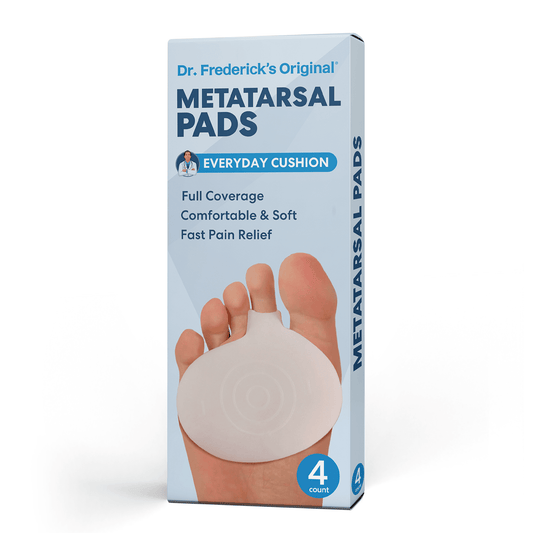
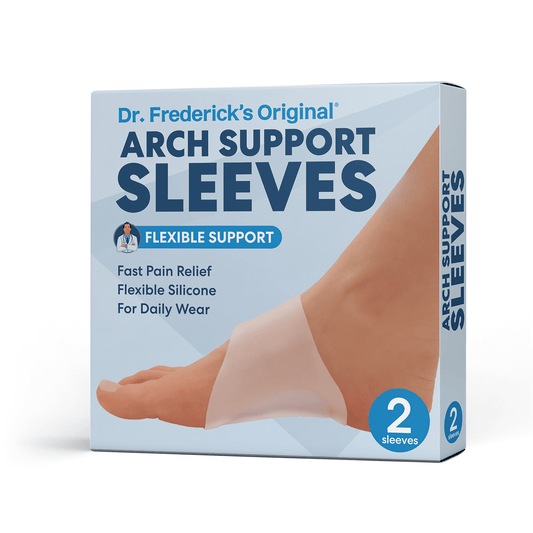
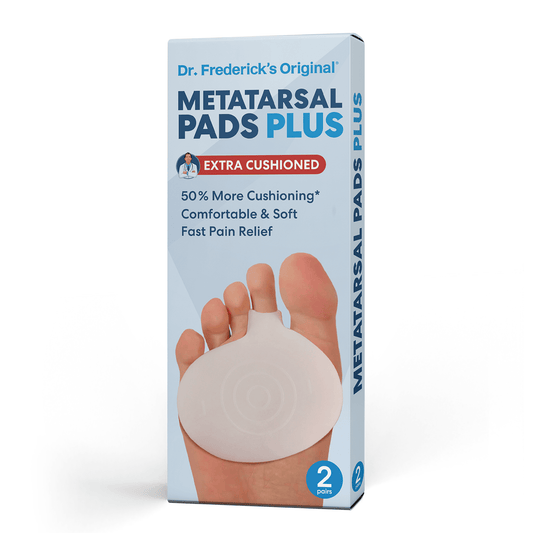
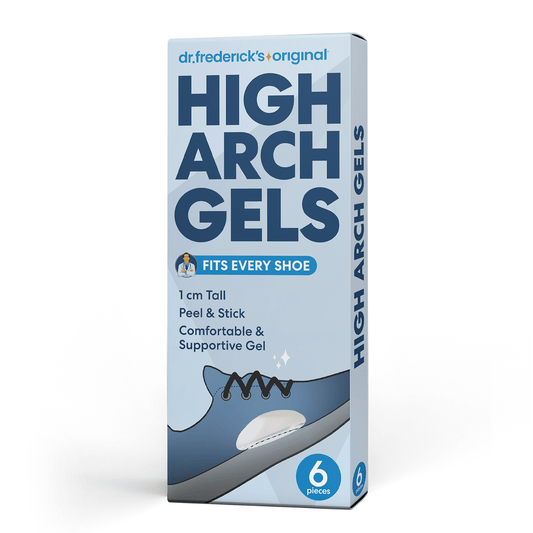
The foot pad that is best for foot pain relief is a targeted gel or medical-grade silicone insert that supports the exact area of discomfort (arch, ball, or heel). Targeted structure determines effectiveness. Metatarsal pads relieve pressure on the forefoot, while deep heel cups stabilize impact zones. Structured arch inserts reduce strain on the plantar fascia and improve alignment across the sole.
High-density materials prevent flattening under body weight. Medical-grade silicone maintains shape during repeated use. Foam interfaces (memory foam, latex) create a soft contact layer that reduces friction. Breathable top covers help maintain dry skin during extended wear. Adhesive backing secures placement inside footwear, while removable designs allow transfer across multiple pairs of shoes.
Anatomical shaping improves weight distribution across the sole. Correct thickness prevents tightness inside shoes and preserves circulation. Specialized inserts address defined conditions (Morton neuroma, sesamoiditis, and fat pad atrophy). Gait correction features reduce skeletal stress during walking. Consistent relief depends on pairing the insert with proper footwear support. Long-term improvement in foot discomfort results from applying structured Foot Care Solutions for lasting Foot Pain Relief.
What Type of Foot Cushion Is Best for Standing All Day?
The type of foot cushion that is best for standing all day is a high-density, shock-absorbing insert designed for sustained support and pressure distribution. Durable gel or layered foam pads maintain structure under prolonged body weight. Dense materials prevent compression over extended wear.
Arch support improves biomechanical alignment and reduces fatigue during long-standing periods. Metatarsal support pads redistribute force away from high-pressure areas at the ball of the foot. Deep heel cups absorb impact from heel strikes and stabilize gait mechanics.
Breathable top layers help manage moisture buildup during all-day wear. Removable designs allow use across multiple shoe styles without loss of position. Anatomical shaping ensures consistent weight distribution across the sole. Cushions built for extended standing pairs effectively with supportive footwear to reduce muscle strain and improve overall comfort. High-performance pads provide reliable relief and endurance for hours on hard surfaces.
Which Foot Cushions Work Best for Heel Pain Relief?
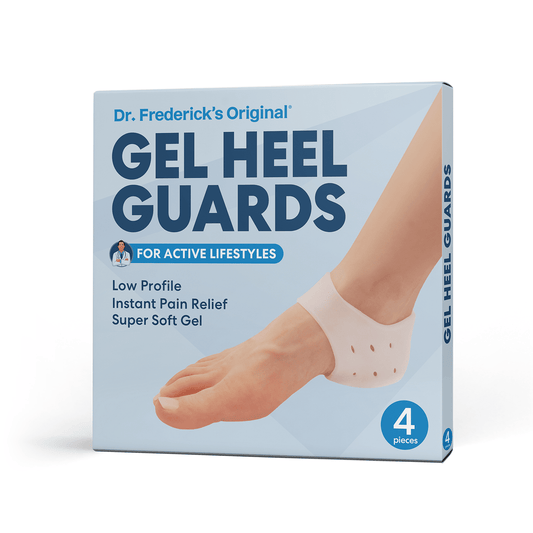
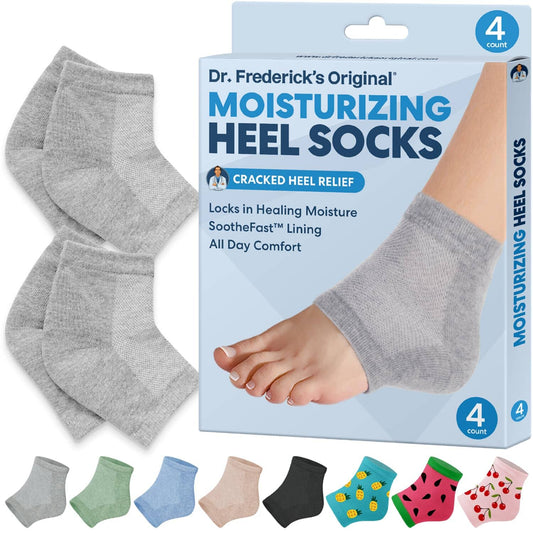
Foot cushions that work best for heel pain relief are heel cups and silicone gel wedges. Deep heel cups contain the natural fat pad of the foot. Elevated wedges reduce the pull on the calf muscles. Shock-absorbing gel reduces the impact of every step. Targeted cutouts provide space targeting sensitive areas. Firm materials prevent the heel from collapsing during movement. Medical-grade polymers maintain structural integrity. Tapered edges allow a comfortable fit inside narrow shoes. Moisture-resistant coatings improve hygiene. Adhesive surfaces prevent the insert from sliding. Correct alignment promotes the healing of internal tissues. Regular use reduces morning pain levels. Patients benefit from localized pressure reduction. Quality inserts provide a $15 solution to chronic discomfort. Anatomical designs mimic the shape of a healthy foot. Dense padding protects the bone from hard impacts. Soft covers reduce irritation. Proper installation ensures the cushion functions correctly. Long-lasting materials survive 1000s of steps. Targeted support remains the primary goal of the product. Daily application yields better results targeting patient recovery. Consistent pressure relief aids in recovery. Patients experience improved mobility through dedicated Heel Pain Relief.
How Do I Select the Correct Size for Foot Cushion Pads?
To select the correct size for foot cushion pads, follow the five steps below.
- Measure Foot Dimensions. Place the foot flat on paper and measure from heel to longest toe in inches or centimeters. Record measurements for each foot since slight size differences occur naturally.
- Check Brand Sizing Chart. Compare recorded measurements to the manufacturer's size guide. Use the specific chart provided for the product since sizing varies by design and thickness.
- Assess Shoe Interior Space. Examine insole depth and toe box clearance before inserting the pad. Slim-profile pads fit dress shoes, while thicker cushions require athletic footwear with removable insoles.
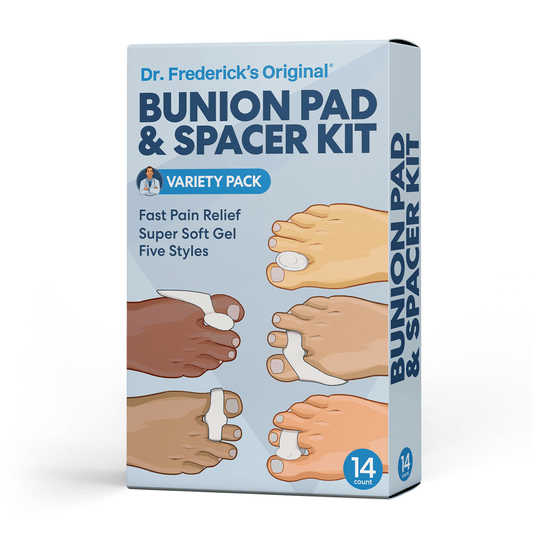
- Match Pad Type to Placement Area. Select heel cups for heel pain, metatarsal pads for forefoot pressure, and full-length inserts for overall support. Targeted placement influences sizing accuracy.
- Test Fit Before Extended Use. Insert the pad and stand upright to evaluate alignment and comfort. Proper size maintains foot stability without crowding the shoe interior.
Cost
What Are the Price Factors for Foot Cushions?
The price factors for Foot cushions are listed below.
- Material Quality: Material quality explains cushioning performance, durability, and comfort level. Premium materials (gel, memory foam, silicone) provide longer wear life and pressure relief. Lower-grade materials degrade faster and deliver limited support.
- Manufacturing Type: Manufacturing type determines production cost differences between custom and store-made foot cushions. Custom options use precise measurements and crafting techniques that raise the price. Mass-produced pads use standard molds that lower the cost.
- Brand Reputation: Brand reputation affects price because established brands set rates based on trust, research, and warranty support. Lesser-known brands offer lower rates to attract buyers. Strong brand perception aligns with higher pricing.
- Size and Design Complexity: Size and design complexity influence price because tailored shapes (arch support, metatarsal cutouts) require more material and labor. Simple flat pads cost less than anatomically sculpted designs.
- Included Features: Included features reflect price differences when pads have added elements (anti-odor coating, adhesive backing). Added features elevate value and price.
Are Store-Bought Foot Cushions as Effective as Custom Options?
No, store-bought foot cushions are not as effective as custom options. Store-bought foot cushions provide affordable, immediate comfort and help relieve minor aches from standing or walking. Their one-size-fits-most design limits their ability to address specific foot problems.
Custom orthotics, by contrast, are crafted from moulds or scans of an individual's feet, ensuring precise alignment, targeted pressure redistribution, and long-term durability.
Evidence shows that custom options are clinically proven to reduce pain and improve function in conditions such as plantar fasciitis, flat feet, and overpronation, whereas store-bought cushions mainly serve as temporary aids for general discomfort. In short, store-bought cushions are convenient for mild, short-term relief, but custom orthotics remain the definitive choice for lasting support, medical-grade effectiveness, and correction of underlying biomechanical issues.
Do Different Foot Cushion Pads Vary in Price?
Yes, different foot cushion pads vary in price, materials, brands, and support levels. Gel pads cost less than advanced memory foam or dual-layer pads with added pressure relief features. Entry-level pads range from $10 to $30 while higher-end pads with enhanced design features appear in $30 to $80 ranges, depending on brand and technology. Custom-made pads exceed these amounts because they require personalized molding and fabrication. Price lists from retailers indicate that basic pads prioritize low cost with simpler construction.
Premium pads incorporate ergonomic engineering that raises the price. Medical-grade pads with certification and clinical backing show rates beyond mid-range consumer pads. Price differences reflect quality, intended use (everyday wear vs therapeutic support), and included amenities (adhesive backing, breathable fabric). The conclusion emphasizes that pad types vary in price based on construction, intended use, and performance expectations.
Is There a Price Difference Between Ball of Foot Cushions and Metatarsal Relief Pads?
Yes, there is a difference in price between Ball of foot cushions and metatarsal relief pads because the design purpose dictates materials and complexity. Research into product listings shows basic ball cushions appear in $10 to $25 ranges, while metatarsal relief pads with targeted pressure redistribution fall into $25 to $60 ranges. Differences arise because metatarsal relief pads incorporate anatomical shaping to support metatarsal heads and off-load pressure zones.
Ball of foot cushions focus cushioning under the forefoot with simpler geometry. Brand positioning affects price because medical-grade metatarsal relief products from specialty companies command higher rates than generic gel ball pads. Consumer reviews reveal that targeted relief features justify a higher cost for users with chronic forefoot pain. The conclusion clarifies that metatarsal pads usually cost more than standard ball of foot cushions, Metatarsalgia Relief.
Are Discounts Available When Buying Multiple Foot Cushions?
Yes, discounts are available when buying multiple cushions when multiple foot cushions are purchased in the same order. Bulk pricing appears on websites where savings apply to sets of two or more pads. Some sellers apply percentage-based discounts when orders exceed set quantities.
For example, a store may offer 15 percent off when four pairs are added to the cart. Wholesale channels supply deeper discounts for clinics or sports teams buying in large quantities. Clearance deals bundle pads with related products (heel cups, arch supports) at reduced combined price brackets. Subscription programs from specialty retailers include regular shipments with lower rates per unit. The conclusion confirms that purchasing multiple foot cushions frequently results in a reduced effective price per item.
Are There Product Sales for Foot Cushions in Dr. Frederick's?
Yes, the product sales for the Foot Cushion in Dr. Frederick's appear discounted periodically, where foot cushion products enter promotional price events. Seasonal sales align with back-to-school, holiday campaigns, and end-of-season clearances with marked-down pads. Evidence from retailer announcements highlights limited-time offers that reduce standard prices by set percentages or fixed dollar amounts.
Clearance sections list last-season designs at lower rates than current assortments. Email-subscriber deals provide exclusive codes for savings on selected items. Loyalty programs accumulate points redeemable against future purchases, effectively lowering the net price. The conclusion emphasizes that Product Sales occur in Dr. Frederick's inventory at intervals and provide lower rates for foot cushion buyers.
Shipment
How Long Does Shipping Take for Foot Cushions?
Shipping takes within 3 to 7 days for foot cushions, depending on where they originate and what shipping option is chosen. Orders shipped by expedited services reach recipients sooner, with delivery times of around 2 to 3 days. International deliveries require more transit time because orders travel longer distances and cross customs. International shipments complete delivery in about 10 to 20 business days when economy freight is selected. Transit times extend when borders have backlogs or when peak season volumes increase parcel traffic. Carriers sometimes delay deliveries because weather events slow transportation networks. Retailers notify customers when there are holdups or when packages clear customs procedures abroad. Tracking numbers accompany orders so purchasers follow progress from the warehouse to the final address. Shipping times change when warehouses are far from destination hubs because carriers route packages through multiple facilities before final delivery.
Does Dr. Frederick's Offer Fast Shipping on Foot Pads?
Yes, Dr. Frederick's does offer fast shipping for foot pads for customers who select domestic delivery within the United States. Dr. Frederick's processes orders within 1 to 3 business days before shipment begins. Standard shipping options within the United States deliver foot pads in 5 to 10 business days under normal conditions. Expedited shipping options are available that shorten delivery to around 2 to 5 business days for domestic orders. International shipments from overseas fulfillment locations take longer, requiring 10 to 20 business days for delivery. Free standard shipping sometimes applies to orders above a minimum threshold, which influences transit time for foot pads. Orders placed on certain online marketplaces that sell Dr. Frederick's products may have different shipping durations depending on the seller's location and logistics partners. Tracking details are provided for orders so customers can monitor progress from dispatch to arrival at the destination.
Are Foot Cushion Pads Shipped in Discreet Packaging?
Yes, foot cushion pads are shipped in discreet packaging to protect customer privacy and prevent product details from being visible during transit. Online footwear accessory retailers ensure that shipping cartons do not display product names, descriptions, or branding on the exterior to preserve confidentiality during delivery. Discreet packaging means the outer packaging does not reveal that foot care products are inside, and so the contents remain private from delivery personnel or others who might handle the parcel during transit. Sellers state that orders receive secure, plain packaging with no visible identifiers indicating the product type. Retailers place the product inside an unbranded box or envelope before it is shipped by the chosen carrier. Standard practices for protective shipping include double-boxing and insured methods alongside discreet outer packaging to prevent any hint of contents. Customer tracking information still arrives by email, so purchasers follow progress without revealing item details publicly.
Is Shipping Free on Foot Cushion Orders for Dr. Frederick's?
Yes, Dr. Frederick's offers free shipping on foot cushion orders when the purchase meets a minimum total of $35 or more on the official website. Orders that qualify for free standard shipping ship within one business day from U.S. distribution centers. Orders below the qualifying amount incur shipping charges that are shown at checkout. Free shipping applies only to standard delivery within the continental United States. International orders or shipments to locations outside the domestic region are charged separate shipping fees based on destination and shipping speed. When shopping through third-party retailers, listings display free shipping as part of their promotional offer regardless of order value.
Refund Policy
What Is the Refund Policy of Dr. Frederick's for Foot Cushions?
The refund policy of Dr. Frederick's for foot cushions provides a structured return window with eligibility requirements tied to proof of purchase and product condition. Dr. Frederick states that returns qualify within 30 days from the delivery date, and customers must present a valid order confirmation or receipt issued through the official website or authorized marketplace. Dr. Frederick's processes refunds to the original payment method after the inspection confirms that the returned foot cushions meet hygiene and packaging standards.
Dr. Frederick's requires items to remain in resalable condition, free from excessive wear, odor, or structural damage. Dr. Frederick's excludes clearance items or final sale products from refund eligibility, depending on product labeling at checkout. Shipping fees remain non-refundable unless the return results from a fulfillment error or product defect. Refund processing time ranges from 5 to 10 business days, depending on banking institutions and payment gateways.
How Long Do I Have to Request a Refund on Foot Cushion Pads?
You have 30 days from the confirmed delivery date recorded by the shipping carrier to request a refund on foot cushion pads. Retail systems calculate the return window using carrier tracking data as the official reference point. Customers must submit the refund request through the official return portal or designated customer support channel before the 30-day deadline expires. Proof of purchase in the form of an order confirmation or receipt remains required for validation.
Retailers reject refund claims submitted after the 30-day window unless the product arrives defective or damaged during transit. Defective item claims require photo documentation submitted within 7 days of receipt. Inspection teams evaluate adhesive integrity, cushioning compression levels, and surface hygiene before issuing approval. Refund authorization depends on compliance with stated return conditions rather than reported comfort preferences. Approved reimbursements are processed within 5 to 10 business days, depending on financial clearing timelines.
Can I Return Foot Pads If They Don't Relieve Foot Pain?
Yes, you can return foot pads if they don't relieve foot pain. Retail policies permit dissatisfaction-based returns within the 30-day satisfaction guarantee, provided the pads remain hygienic and structurally intact. The return request must include the order number and a clear reason for dissatisfaction to support internal tracking and verification procedures. Eligibility depends on compliance with established return standards rather than subjective comfort outcomes alone.
Quality control inspection examines adhesive integrity, cushioning compression, surface wear, and the absence of contamination before issuing approval. Pads showing tearing, persistent odor, staining, or thickness reduction beyond 20% of the original profile fail inspection criteria. Refund authorization follows documented evaluation guidelines that confirm measurable product condition at the time of return. Approved reimbursements are processed to the original payment method within 5 to 10 business days, depending on financial clearing timelines.
Are Used Foot Pads Eligible for a Refund?
Yes, used foot pads are eligible for a refund when the condition standards meet hygiene and durability requirements. Retail policies allow brief trial use to evaluate fit and pressure redistribution performance before the final decision. Inspection teams assess adhesive integrity, thickness retention, edge condition, and surface cleanliness to confirm eligibility. Adhesive backing must remain functional, and cushioning material must retain structural density without permanent deformation.
Refund eligibility excludes pads showing compression beyond 20% of original thickness, visible tearing, staining, or persistent odor. Structural damage or contamination disqualifies the product under health compliance guidelines. Sanitization standards protect consumer safety and prevent resale of compromised items. Approved returns proceed through reimbursement processing timelines ranging from 5 to 10 business days, depending on financial clearing systems. Refund authorization depends on objective condition assessment rather than subjective comfort expectations.
Use
How to Use Foot Cushions?
To use foot cushions, follow the 5 steps listed below.
- Measure Foot Dimensions. Measure shoe length and forefoot width before installation. Accurate measurements prevent misalignment and edge curling. Proper sizing improves pressure redistribution under load.
- Clean the Insole Surface. Remove dust, oils, and debris from the shoe interior using a dry cloth. Allow the insole to dry fully before placement. Clean surfaces improve adhesive bonding strength.
- Remove the Adhesive Film. Peel the protective backing carefully without touching the adhesive layer. Maintain steady alignment control during handling. Avoid stretching or folding the cushion.
- Position Over the Target Area. Align the pad beneath the heel, arch, or ball of the foot, depending on pressure concentration. Press firmly for 10 seconds to secure placement. Confirm alignment by standing inside the shoe before extended wear.
- Test Indoors Before Extended Use. Wear the shoes indoors for 15 to 20 minutes to evaluate pressure balance and stability. Reposition immediately if uneven compression or discomfort occurs.
How Do I Place the Ball of the Foot Pads for Best Comfort?
Place the ball of the foot pads for best comfort by following the 3 steps listed below.
- Locate the Metatarsal Heads. Identify the ball of the foot beneath the forefoot bones while standing barefoot. Mark the internal shoe position lightly to guide placement. Accurate identification prevents forward misalignment.
- Position Slightly Behind the Pressure Point. Place the pad just behind the metatarsal heads rather than directly under peak pressure. Rear positioning redistributes weight across the forefoot. Direct placement under the pressure center increases discomfort.
- Secure Firm Adhesion. Press the pad firmly for 10 seconds to activate adhesive bonding. Confirm that edges remain flat against the insole surface. Replace immediately if sliding occurs during movement.
How Often Should Foot Cushions Be Replaced?
Foot cushions should be replaced every 3 to 6 months. Usage intensity, body weight, and activity type directly influence replacement timing. High-impact activity exceeding 8 hours of daily standing accelerates cushioning compression and reduces rebound capacity. Silicone cushions maintain structural resilience longer than foam variants, yet visible flattening signals a measurable reduction in shock absorption performance. Thickness reduction beyond 20% of the original profile indicates functional decline in pressure redistribution. Compressed material loses the ability to disperse load evenly across the heel, arch, or forefoot regions. Adhesive weakening, persistent odor, edge curling, or surface cracking confirm replacement necessity. Monthly inspection identifies early compression patterns and prevents uneven gait mechanics. Consistent replacement maintains plantar pressure balance and reduces strain on connective structures such as the plantar fascia and metatarsal heads.
Can Foot Cushion Pads Be Worn All Day?
Yes, foot cushion pads can be worn all day. Foot cushion pads support extended wear when correctly sized and placement remains stable throughout movement. Medical-grade silicone and gel materials distribute plantar pressure evenly during prolonged standing exceeding 8 to 12 hours. Even pressure distribution reduces localized stress on the heel, arch, and metatarsal heads. Proper fit limits internal shoe friction and lowers the risk of skin irritation, blister formation, and callus buildup. Daily removal for cleaning preserves hygiene standards and prevents bacterial accumulation caused by moisture retention. Adhesive backing maintains performance when the insole surface remains clean and dry before reapplication. Continuous use without inspection increases the probability of adhesive weakening or material compression beyond functional limits. Thickness retention above 80% of the original profile supports sustained shock absorption capacity. Skin integrity must remain intact to maintain safe full-day wear under repetitive loading conditions.
Are Foot Pads Suitable for Standing, Walking, or Running?
Yes, foot pads are suitable for standing, walking, and moderate running activities. Foot pads are suitable for different activities when the material density matches the activity level, and the cushioning structure supports load distribution. Running generates ground reaction forces reaching 3 times body weight, which requires high-density gel or reinforced silicone cushioning to absorb repeated impact. Extended standing exceeding 6 hours increases plantar pressure concentration, and arch support variants stabilize foot alignment during prolonged weight bearing. Athletic-grade pads include layered shock absorption materials that disperse vertical force across the heel, arch, and forefoot regions. Foam-based inserts perform adequately during light walking routines where impact intensity remains lower than jogging conditions. Compression resistance above 80% of the original thickness preserves functional support during repeated use. Activity-specific selection determines durability, shock attenuation, and consistent pressure distribution performance across varied movement patterns.
Can I Use Metatarsal Pads in High Heels or Tight Shoes?
Yes, you can use metatarsal pads in high heels and tight shoes. The thickness remains below 5 mm, which allows placement inside narrow toe boxes without compressing the forefoot. Slim profile silicone or gel designs contour to confined interiors and maintain structural stability under elevated heel conditions. Proper positioning slightly behind the metatarsal heads reduces pressure created by heel elevation above 2 inches. Elevated heels shift body weight forward and increase forefoot load by up to 75%, which intensifies stress across the metatarsal region during standing and walking. Accurate alignment remains necessary because direct placement under peak pressure increases discomfort instead of relieving it. Strong medical-grade adhesive backing limits forward sliding during repetitive movement. High-density cushioning retains above 80% of its original thickness under compression. Low-profile construction preserves internal shoe space and supports consistent pressure redistribution without altering shoe structure or fit integrity.