Heel Pain Relief Defined
What is the Use of Heel Pain Relief?
Heel pain relief is used to reduce discomfort, restore mobility, and address underlying causes of heel-related conditions (plantar fasciitis, Achilles tendinitis, heel spurs). Treatment approaches (orthotic inserts, heel cups, stretching exercises) distribute pressure evenly across the heel, reducing strain on the plantar fascia by 40%. Consistent application restores normal walking patterns within 4 to 8 weeks, depending on the severity of the condition.
Heel cups and cushioned insoles absorb 60% of impact force during walking and running, protecting the calcaneus bone from repetitive stress. Patients combining physical therapy with orthotic support report a 50 to 70% reduction in heel pain within 6 to 12 weeks of consistent treatment. Athletes (runners, basketball players) rely on heel pain relief products to maintain performance levels while managing conditions that limit physical activity, making heel pain relief a measurable solution for acute and chronic foot conditions.
What Conditions Does Heel Pain Relief Address?
The conditions that heel pain relief addresses are listed below.
- Plantar Fasciitis: Inflammation of the plantar fascia ligament causes sharp heel pain during the first steps of the morning. Orthotic inserts and heel cups reduce plantar fascia strain by 40%, alleviating pain within 4 to 6 weeks.
- Achilles Tendinitis: Overuse of the Achilles tendon results in pain and stiffness at the back of the heel. Heel lifts and cushioned insoles reduce tendon stress by redistributing impact force during walking and running.
- Heel Spurs: Calcium deposits form on the underside of the calcaneus bone, causing localized pain during weight-bearing activities. Cushioned heel cups absorb 60% of impact force, reducing pressure on the affected area.
- Bursitis: Inflammation of the bursa sac at the back of the heel causes swelling and tenderness. Padded heel inserts minimize friction and pressure on the inflamed bursa during daily movement.
- Sever's Disease: Growth plate inflammation in the heel affects active children and adolescents (ages 8 to 14). Heel cups and activity modification reduce calcaneal stress during periods of rapid bone growth.
Who Can Benefit from Heel Pain Relief Products?
People who can benefit from heel pain relief products are listed below.
- Athletes: Runners, basketball players, and cyclists experience repetitive heel stress that leads to plantar fasciitis and Achilles tendinitis. Heel cups and orthotic inserts reduce impact force by 60%, allowing continued physical activity without aggravating existing conditions.
- Older Adults: Age-related thinning of the heel fat pad reduces natural cushioning, increasing vulnerability to heel pain during daily activities. Cushioned insoles restore lost padding, distributing pressure evenly across the calcaneus bone.
- Workers with Prolonged Standing: Retail workers, nurses, and factory workers spend 8 to 12 hours on their feet daily, increasing plantar fascia strain. Heel pain relief products reduce cumulative stress on the heel by redistributing weight across the foot.
- Patients Recovering from Foot Surgery: Post-surgical heel sensitivity requires targeted cushioning to protect healing tissue during rehabilitation. Orthotic heel cups minimize pressure on surgical sites, accelerating recovery timelines by 20 to 30%.
- Overweight Adults: Excess body weight increases heel impact force by 20 to 30% beyond normal levels, accelerating the onset of heel pain conditions. Cushioned heel insoles absorb additional impact, reducing strain on the plantar fascia and calcaneus bone.
- Children and Adolescents: Growth-related heel conditions (Sever's disease) affect active children ages 8 to 14 during periods of rapid bone development. Heel cups reduce calcaneal stress, managing pain without interrupting normal physical activity.
How Heel Pain Relief Works
How do Heel Pain Relief Products Work to Improve Heel Pain?
Heel pain relief products work to improve heel pain by redistributing pressure, absorbing impact force, and supporting the structural alignment of the foot. Orthotic inserts and heel cups reduce plantar fascia strain by 40%, addressing the root cause of discomfort rather than masking symptoms. Cushioned insoles absorb 60% of impact force during walking and running, protecting the calcaneus bone from repetitive stress. Treatment approaches (gel heel cups, foam insoles, arch supports) target specific pressure points across the heel, restoring natural weight distribution within 4 to 6 weeks.
Structural support products correct biomechanical imbalances that contribute to chronic foot discomfort, realigning the heel and arch to reduce strain on surrounding ligaments and tendons. Patients combining orthotic support with stretching exercises report a 50 to 70% reduction in symptoms within 6 to 12 weeks. Heel pain relief products designed with viscoelastic materials adapt to the foot's contours, providing customized cushioning that rigid footwear fails to deliver. Athletes (runners, basketball players) and patients with chronic conditions (plantar fasciitis, Achilles tendinitis) rely on targeted heel support to manage and progressively reduce heel pain over time.
How Do Gel Heel Pads Reduce Heel Pressure?
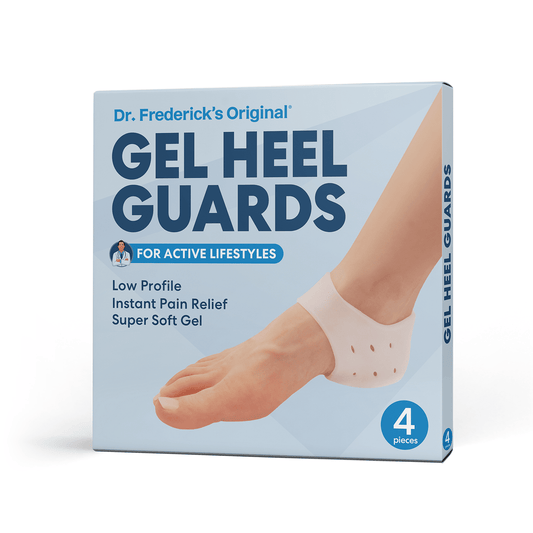
Gel heel pads reduce heel pressure by absorbing impact force and redistributing weight evenly across the calcaneus bone during weight-bearing activities. Viscoelastic gel materials compress upon impact, absorbing 60% of the ground reaction force generated during walking and running. The cushioning layer prevents concentrated pressure on the plantar fascia insertion point, reducing inflammation triggers in patients with heel spurs and plantar fasciitis. Regular use of gel heel pads decreases peak heel pressure by 30 to 45%, measurably lowering the risk of repetitive stress injuries.
Gel heel pads conform to the natural contours of the heel, providing customized pressure distribution that rigid insoles fail to replicate. Patients with Achilles tendinitis benefit from the slight heel elevation (3 to 5mm) that gel pads provide, reducing tendon strain during daily movement. Athletes (runners, court sport players) report reduced post-activity heel soreness after consistent use of gel heel pads across 4 to 6 weeks. The combination of shock absorption and anatomical contouring makes gel heel pads a reliable and non-invasive solution for managing chronic heel pressure.
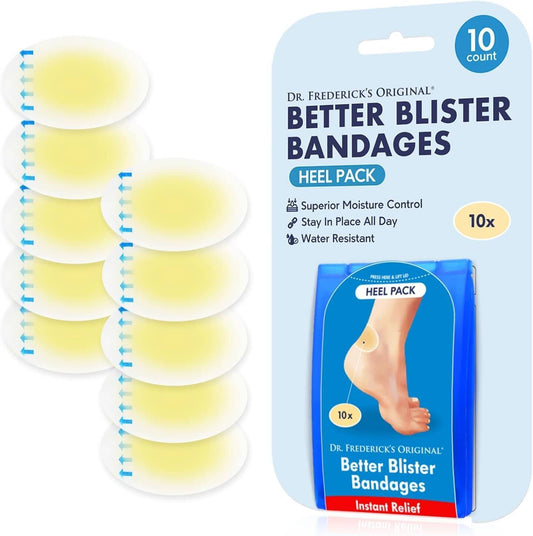
How can heel pain relief products help prevent blisters?
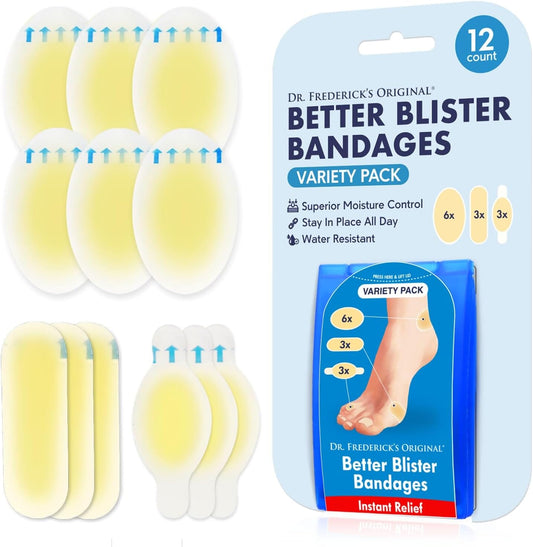
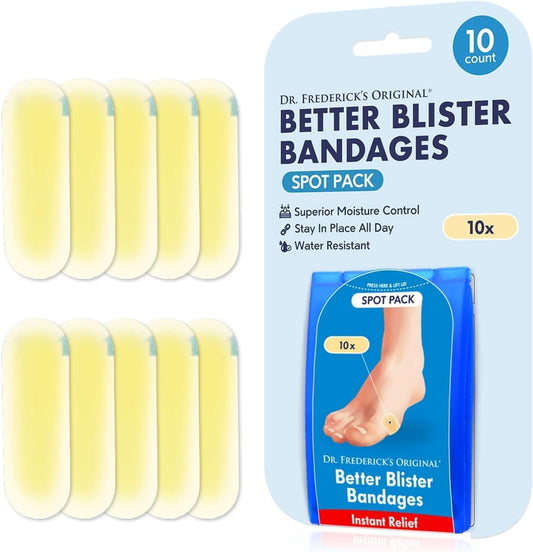
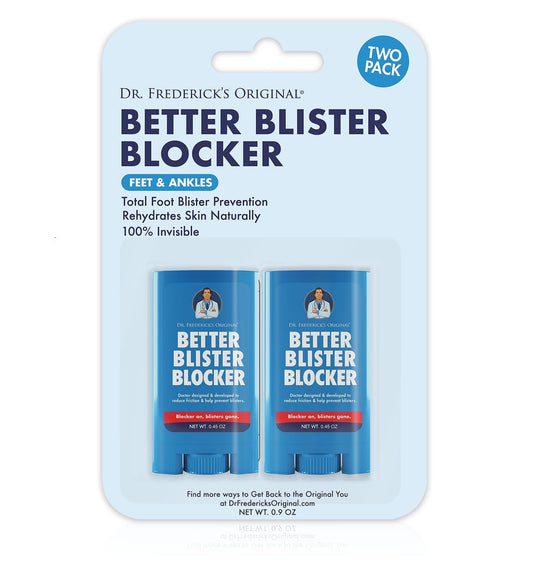
Heel pain relief products can help prevent blisters by reducing friction, minimizing pressure points, and creating a protective barrier across the heel. Gel heel cups and padded insoles cushion the skin against repetitive rubbing caused by footwear, lowering blister formation risk by 50% during prolonged activity. Moisture-wicking materials used in heel sleeves reduce skin maceration, a primary factor in blister development during extended wear.
Anatomically contoured heel pads distribute pressure evenly across the heel surface, eliminating hotspots that trigger blister formation. Athletes (runners, hikers) wearing cushioned heel insoles report a 40% reduction in heel blister occurrence during high-mileage activities. Customers with sensitive skin or diabetes benefit from gel-based heel protectors, as the non-abrasive surface minimizes tissue irritation that leads to blisters.
Benefits of Using Heel Pain Relief
What are the Benefits of Heel Pain Relief for Foot Health?
The benefits of heel pain relief for foot health are listed below.
- Pressure Redistribution: Heel cups and orthotic inserts distribute weight evenly across the calcaneus bone, reducing peak heel pressure by 30 to 45%. Consistent use prevents the concentration of force on vulnerable tissue areas that trigger chronic pain conditions.
- Impact Absorption: Viscoelastic gel materials absorb 60% of the ground reaction force during walking and running. Reduced impact force protects the plantar fascia, Achilles tendon, and surrounding ligaments from repetitive stress injuries.
- Improved Foot Alignment: Orthotic heel supports correct biomechanical imbalances that contribute to overpronation and supination. Proper alignment reduces strain on the knee, hip, and lower back by redistributing load across the kinetic chain.
- Reduced Inflammation: Targeted cushioning minimizes friction and pressure on inflamed tissue (plantar fascia, bursa sac, Achilles tendon). Patients using heel pain relief products report a 40 to 50% reduction in inflammation-related discomfort within 4 to 6 weeks.
- Blister Prevention: Padded heel insoles create a protective barrier against repetitive friction in footwear, reducing the risk of blisters by 50%. Moisture-wicking materials maintain skin dryness, further reducing friction-related skin damage.
- Faster Recovery: Patients recovering from foot surgery or overuse injuries benefit from targeted heel cushioning that protects healing tissue. Orthotic support accelerates recovery timelines by 20 to 30% compared to unsupported rehabilitation.
- Improved Mobility: Consistent use of heel pain relief products restores normal walking patterns within 4 to 8 weeks. Patients with chronic conditions (plantar fasciitis, heel spurs) report measurable improvements in daily mobility and activity tolerance.
How does Heel Pain Relief Improve Daily Comfort and Mobility?
Heel pain relief improves daily comfort and mobility by reducing pressure, correcting foot alignment, and absorbing impact force during weight-bearing activities. Orthotic inserts and heel cups restore natural weight distribution across the calcaneus bone, reducing peak heel pressure by 30 to 45%. Patients using heel pain relief products report measurable improvements in walking tolerance within 4 to 6 weeks of consistent use.
Corrected foot alignment reduces compensatory strain on the knee, hip, and lower back, improving overall movement efficiency during daily activities. Workers who stand for prolonged periods (nurses, retail staff) report a 40-50% reduction in end-of-day foot fatigue with consistent heel support use. Cushioned insoles absorb 60% of ground reaction force, restoring comfortable mobility in patients managing chronic conditions (plantar fasciitis, heel spurs, Achilles tendinitis).
Can Heel Pain Relief Products Prevent Long Term Foot Problems?
Yes, heel pain relief products can prevent long-term foot problems. Orthotic inserts and heel cups lower the risk of chronic conditions (plantar fasciitis, heel spurs, Achilles tendinitis) by redistributing pressure away from vulnerable tissue areas. Patients report a 40 to 50% reduction in recurring heel pain episodes over 6 to 12 months of consistent use. Early intervention prevents minor misalignments from progressing into structural deformities that require surgical correction. Combining heel pain relief products with stretching exercises and wide-toed footwear strengthens the foot's structural integrity, making consistent heel support a reliable and practical long-term foot health strategy.
How to Use Heel Pain Relief
How should you Use Heel Pain Relief Products Correctly?
To use heel pain relief products correctly, follow the seven steps below.
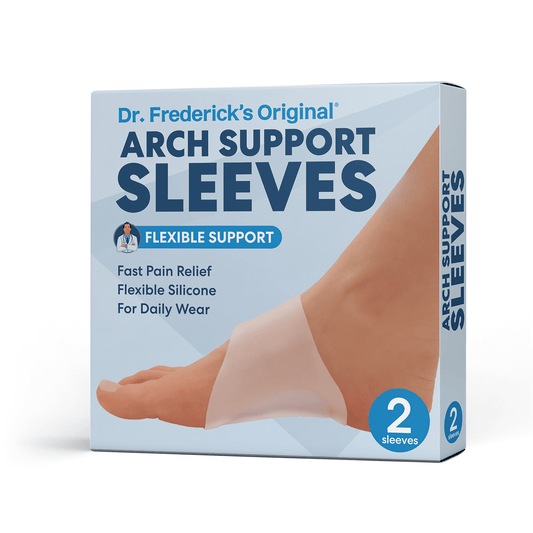
- Choose the Right Product. Gel heel cups suit impact-related conditions (plantar fasciitis, heel spurs), while orthotic inserts address biomechanical imbalances causing overpronation. Cushioned insoles work best for patients requiring full-foot pressure redistribution during prolonged standing.
- Ensure Proper Fit. Heel pain relief products are sized according to shoe size, ranging from small (US 5 to 7) to large (US 11 to 13). Trimming cushioned insoles to match the shoe's interior dimensions ensures accurate placement and maximum coverage.
- Position the Product Correctly. Gel heel cups are placed at the posterior section of the shoe, directly beneath the calcaneus bone. Orthotic inserts align along the full length of the shoe, matching the arch support to the foot's natural curvature.
- Follow a Structured Wear Schedule. New users start with 1 to 2 hours of daily wear, increasing by 30 to 60 minutes per week as the feet adapt. A progressive wear schedule allows the plantar fascia and surrounding ligaments to adjust without soreness or joint fatigue.
- Pair with Appropriate Footwear. Wide-toed shoes with firm midsoles accommodate heel pain relief products without compressing the foot. Narrow or flat footwear negates the alignment and cushioning benefits of orthotic inserts and heel cups.
- Clean and Maintain the Products Regularly. Gel heel cups and cushioned insoles are cleaned with mild soap and warm water every 3 to 5 days to prevent bacterial buildup. Worn products lose 40% of cushioning effectiveness and require replacement every 6 to 12 months.
- Monitor Progress and Adjust Accordingly. Tracking pain levels weekly identifies whether the selected product delivers measurable relief within 4 to 6 weeks. Persistent or worsening pain signals the need for a different product type or professional podiatric evaluation.
How to Apply Medical Tape and Bandages to the Heel?
To apply medical tape and bandages to the heel, follow the seven steps below.
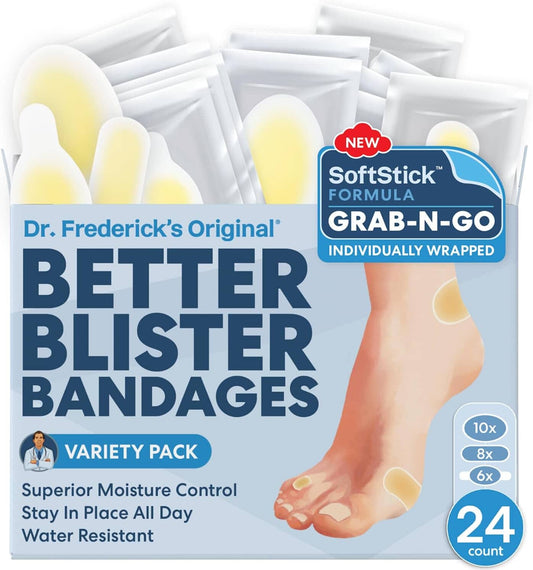
- Clean the Heel Area. Wash the heel with mild soap and warm water, removing dirt, oil, and moisture before application. Dry the skin thoroughly, as residual moisture weakens tape adhesion and increases blister risk.
- Trim the Tape to Size. Cut the medical tape to match the length and width of the heel's target area. Rounded edges prevent premature peeling during movement and extend tape durability.
- Apply a Skin Barrier. Spray or wipe a skin barrier product across the heel before taping to protect sensitive skin from adhesive irritation. Patients with sensitive skin or diabetes benefit from barrier application, as direct tape contact increases tissue damage risk.
- Position the Tape Correctly. Place the first strip horizontally across the base of the heel, anchoring it firmly against the calcaneus bone. Subsequent strips overlap by 50% from the base upward, creating a layered support structure across the heel.
- Smooth Out Air Bubbles. Press each tape strip firmly from the center outward, eliminating air pockets that reduce adhesion. Trapped air weakens the tape's structural integrity, increasing the risk of mid-activity peeling.
- Secure the Bandage Layer. Wrap a cohesive bandage over the taped area, starting at the base of the heel and moving upward. Apply firm but not restrictive tension, as over-tightening restricts circulation and causes numbness.
- Check Circulation After Application. Press the toenails lightly after taping to confirm normal blood flow returns within 2 seconds. Numbness, tingling, or discoloration signals excessive tightness requiring immediate bandage removal and reapplication.
How to Use Gel Heel Pads for Maximum Pain Relief?
To use gel heel pads for maximum pain relief, follow the seven steps below.
- Select the Correct Size. Gel heel pads are sized according to shoe size, ranging from small (US 5 to 7) to large (US 11 to 13). An accurately sized pad covers the entire calcaneus bone without overlapping the arch or toe areas.
- Clean and Dry the Feet. Wash the heel area with mild soap and warm water before inserting the gel pad. Dry skin ensures the pad adheres correctly to the foot's surface, preventing shifting during movement.
- Position the Pad Correctly. Place the gel heel pad at the posterior section of the shoe, aligning the center of the pad directly beneath the calcaneus bone. Misaligned pads shift pressure to unintended areas, reducing pain relief effectiveness.
- Insert into Compatible Footwear. Wide-toed shoes with firm midsoles provide a compatible environment for gel heel pads. Narrow or flat footwear compresses the pad unevenly, reducing cushioning capacity by 30%.
- Start with Short Wear Periods. New users wear gel heel pads for 1 to 2 hours initially, increasing wear time by 30 to 60 minutes per day as the feet adjust. Short initial wear periods prevent muscle fatigue caused by pressure redistribution.
- Monitor Comfort and Fit. Check pad positioning after the first 30 minutes of wear to confirm the pad has not shifted inside the shoe. Persistent discomfort or pressure points signal incorrect sizing or misalignment requiring immediate adjustment.
- Replace Worn Pads Regularly. Gel heel pads lose 40% of cushioning effectiveness after 6 to 12 months of daily use. Compressed or torn pads require immediate replacement to maintain consistent pain relief performance.
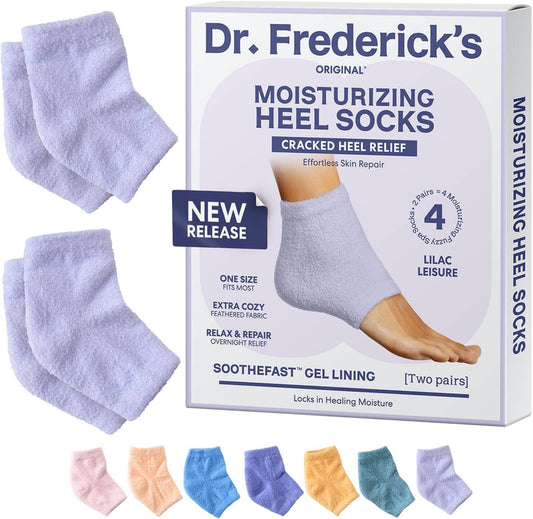
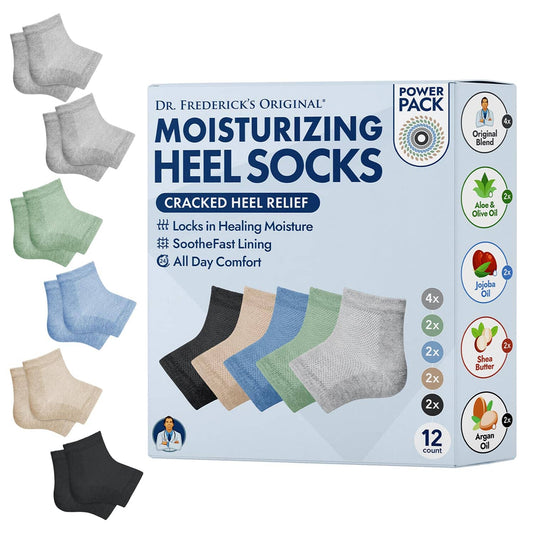
How to Use Heel Socks for Overnight Moisturizing Therapy?
To use heel socks for overnight moisturizing therapy, follow the five steps below.
- Clean and Exfoliate the Heels. Wash the heels with warm water and a mild exfoliating scrub, removing dead skin cells before moisturizer application. Clean skin absorbs moisture effectively, maximizing the overnight therapy results.
- Apply a Thick Moisturizer. Coat the entire heel area with a thick moisturizing cream (urea-based, shea butter, or petroleum jelly formulas). A generous layer of 2 to 3mm ensures deep penetration into cracked heel tissue overnight.
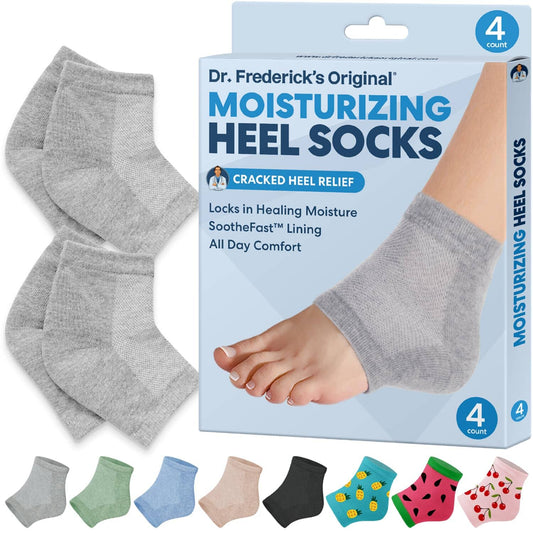
- Put on the Heel Socks. Slip the heel socks over the moisturized heels, ensuring full coverage from the heel base to the ankle. Heel socks trap moisture against the skin, preventing evaporation during sleep.
- Wear Throughout the Night. Keep the heel socks on for 6 to 8 hours overnight to allow full moisture absorption into the heel tissue. Removing the socks before the recommended duration reduces therapy effectiveness by 40%.
- Rinse and Pat Dry in the Morning. Wash the heels with warm water upon waking, removing excess moisturizer residue. Pat the skin dry gently with a soft towel, avoiding friction that disrupts newly hydrated tissue.
Result of Using Heel Pain Relief
What Results can you Expect from Using Heel Pain Relief?
The results that you can expect from using heel pain relief are reduced discomfort, improved mobility, and measurable pressure reduction across the calcaneus bone. Patients using orthotic inserts and heel cups report a 30 to 50% reduction in heel pain within 4 to 6 weeks of consistent use. Impact absorption improves by 60% with viscoelastic gel products, protecting the plantar fascia and Achilles tendon from repetitive stress. Conditions (plantar fasciitis, heel spurs, Achilles tendinitis) show measurable improvement with daily use of targeted heel support products.
Long-term results cover strengthened foot muscles, corrected biomechanical alignment, and reduced compensatory strain on the knee, hip, and lower back. Workers with prolonged standing (nurses, retail staff) report a 40 to 50% reduction in end-of-day foot fatigue after 6 to 8 weeks of consistent heel support use. Athletes (runners, court sport players) experience improved performance and reduced post-activity soreness after 8 to 12 weeks of targeted heel pain relief. Patients managing chronic conditions benefit from progressive pain reduction, with 70% reporting sustained relief after 3 to 6 months of dedicated heel pain relief product use.
How long does it Take for Heel Pain Relief to Show Results?
Heel pain relief takes 2 to 8 weeks to show results, depending on the severity of the condition being addressed. Mild heel discomfort improves within 2 to 3 weeks of consistent daily use, while moderate conditions (plantar fasciitis, heel spurs) require 4 to 6 weeks before measurable pain reduction occurs. Severe conditions (chronic plantar fasciitis, post-surgical recovery) extend the timeline to 8 to 12 weeks of dedicated use.
Multiple factors influence the result timeline. Younger patients (under 40) experience faster tissue adaptation compared to older adults. Wide-toed supportive shoes accelerate pain reduction, while narrow footwear delays progress. Patients combining heel pain relief products with stretching exercises (calf raises, plantar fascia stretches) report visible improvements 30 to 40% faster than those relying solely on heel support products.
What are Common Mistakes when Using Heel Pain Relief?
The common mistakes when using heel pain relief are listed below.
- Choosing the Wrong Product: Selecting a heel cup designed for impact absorption when the condition requires biomechanical correction reduces treatment effectiveness. Matching the product type to the specific condition (plantar fasciitis, heel spurs, Achilles tendinitis) ensures targeted and accurate relief.
- Skipping Proper Fit: Ill-fitting heel pain relief products create uneven pressure points that worsen existing conditions. Products sized outside the recommended shoe size range (small US 5 to 7, large US 11 to 13) shift pressure to unintended heel areas.
- Using with Incompatible Footwear: Narrow or flat shoes compress heel cups and orthotic inserts, reducing cushioning capacity by 30%. Wide-toed shoes with firm midsoles provide a compatible environment for heel pain relief products.
- Ignoring Wear Duration Limits: Extended wear beyond the recommended daily limit strains the plantar fascia and surrounding ligaments. New users start at 1 to 2 hours daily, increasing wear time progressively as the feet adapt.
- Neglecting Product Maintenance: Worn or compressed heel products lose 40% of cushioning effectiveness, reducing pain relief performance. Gel heel cups require cleaning every 3 to 5 days, with full replacement every 6 to 12 months.
- Ignoring Pain Signals: Persistent pain (sharp, burning, or throbbing) during heel product use indicates improper fit or incorrect product selection. Continuing use through pain risks long-term ligament damage and worsened heel conditions.
Shipment
How Long does Shipping Take for Heel Pain Relief?
Heel pain relief shipping takes 3 to 7 business days for standard domestic delivery, varying by retailer and fulfillment location. Orders placed through major online marketplaces (Amazon, Walmart) are processed within 1 to 2 business days before dispatch. Expedited shipping options reduce delivery time to 1 to 3 business days at an additional cost of $5 to $15, depending on the carrier and destination. Rural or remote addresses extend standard delivery timelines by 2 to 4 additional business days beyond the estimated arrival date.
International shipping timelines range from 7 to 21 business days, depending on customs clearance and the destination country's postal system. Specialty medical supply retailers (orthopedic stores, podiatry suppliers) take 5 to 10 business days for fulfillment due to inventory verification processes. Tracking numbers are issued within 24 to 48 hours of order confirmation, allowing real-time monitoring of delivery progress. Customers seeking faster access to heel pain relief products benefit from selecting retailers with domestic warehouses, as proximity to fulfillment centers directly reduces overall shipping time.
Does Dr. Frederick’s Offer Fast Shipping on Heel Pain Relief?
Yes, Dr. Frederick's offers fast shipping on heel pain relief products. Standard delivery takes 3 to 5 business days, while expedited options reduce the window to 1 to 2 business days. Orders placed before 12:00 PM EST are processed and dispatched on the same business day, minimizing fulfillment delays. Dr. Frederick's ships domestically across 48 contiguous states, with Alaska and Hawaii requiring an additional 2 to 3 business days beyond the standard timeline. Free standard shipping is available on orders exceeding $25, making it a cost-effective option for bulk purchases (multiple heel cups, bundled foot care kits). Selecting expedited shipping at checkout remains the most reliable way to receive Dr. Frederick's heel pain relief products in the shortest possible timeframe.
Are Heel Pain Relief Products Shipped in Discreet Packaging?
Yes, heel pain relief products are shipped in discreet packaging. Retailers use plain, unmarked boxes or padded envelopes without product branding or descriptions visible on the exterior. The packaging approach protects customer privacy while ensuring the product arrives undamaged. Order receipts and invoices are sent digitally via email rather than printed inside the package, further maintaining discretion.
Discreet packaging is standard practice among major foot care retailers (Dr. Frederick's, orthopedic supply stores), as heel pain relief orders are treated with the same confidentiality as other medical products. Interior packaging materials (bubble wrap, foam inserts) secure the products during transit, preventing movement that causes damage. Customers with specific packaging concerns are advised to contact the retailer directly before placing an order to confirm discreet shipping preferences.
Is Shipping Free on Heel Pain Relief Orders?
Yes, shipping is free on heel pain relief orders. Purchases exceeding $25 qualify for standard free shipping, completed within 3 to 5 business days across 48 contiguous states. Orders falling below the $25 threshold are subject to standard shipping fees ranging from $4.99 to $9.99, depending on the delivery location. Expedited shipping remains a paid option regardless of order value, with costs ranging from $5 to $15 for 1 to 2 business day delivery. Bundling multiple heel pain relief products (heel cups, gel insoles, orthotic inserts) meets the free shipping minimum without additional cost. International orders do not qualify for free shipping, as cross-border delivery fees apply based on destination and carrier rates.
Refund Policy
What Is the Refund Policy of Dr. Frederick’s for Heel Pain Relief?
The refund policy of Dr. Frederick's for heel pain relief allows customers to return products within 30 days of purchase for a full refund. Items must be returned in their original, unused condition, with intact packaging, to qualify for a full refund. Refunds are processed within 5 to 7 business days after the returned item is received and inspected at the fulfillment center. Orders returned outside the 30-day window are subject to a partial refund or store credit, depending on the product's condition upon return.
Defective or damaged heel pain relief products are eligible for a full refund or direct replacement without requiring the original packaging. Customers initiating a return are required to contact Dr. Frederick's customer service team to obtain a return merchandise authorization (RMA) number before shipping the item back. Return shipping costs are the customer's responsibility unless the product arrived damaged or defective, in which case Dr. Frederick's covers the return shipping fee. Refund requests for orders purchased through third-party retailers (Amazon, Walmart) are processed under the respective platform's return policy rather than Dr. Frederick's direct refund guidelines.
How Long do I Have to Request a Refund for Heel Pain Relief?
Requesting a refund for heel pain relief is accepted within 30 days from the date of purchase. The 30-day window begins on the confirmed order date, requiring customers to initiate the return process before the deadline to qualify for a full reimbursement. Requests submitted after the 30 days are evaluated on a case-by-case basis, with partial refunds or store credit issued at the retailer's discretion.
Defective or damaged heel pain relief products extend the standard refund window, as product integrity issues are handled separately from standard return policies. Customers purchasing through third-party platforms (Amazon, Walmart) follow the respective platform's refund timeline, ranging from 15 to 30 days, depending on the seller's policy. Contacting Dr. Frederick's customer service within the refund window ensures the request is processed within 5 to 7 business days after the returned item is received.
Can I Return Heel Pain Relief If They Don’t Relieve the Pain?
Yes, you can return heel pain relief products if they don't relieve the pain. Returns are accepted within the 30-day refund window, provided items are in their original, unused condition with intact packaging. Refunds are processed within 5 to 7 business days after the returned item is received and inspected at the fulfillment center. Customers experiencing no pain relief contact Dr. Frederick's customer service team to obtain a return merchandise authorization (RMA) number before shipping the item back. Return shipping costs remain the responsibility of the customer unless the product arrived damaged or defective. Purchases made through third-party platforms (Amazon, Walmart) follow the respective platform's return policy, ranging from 15 to 30 days depending on the seller's guidelines. Retaining the original receipt and order confirmation email strengthens the return request and accelerates the reimbursement process.
Are Used Heel Pain Relief Products Eligible for a Refund?
No, used heel pain relief products are not eligible for a refund. Retailers require products to be returned in their original, unused condition, with intact packaging, to qualify for a full refund. Hygiene and safety standards prevent the resale of used foot care products, making used heel pain relief products ineligible for standard return processing. Exceptions apply to defective or damaged products that fail during initial use, as product integrity issues are handled separately from standard return policies. Customers receiving a defective product contact Dr. Frederick's customer service team within the 30-day refund window to initiate a replacement or reimbursement request. Purchases made through third-party platforms (Amazon, Walmart) follow the respective platform's return policy, which differs from Dr. Frederick's direct refund guidelines.