

Heel Pain Relief
Heel pain shouldn't dictate your day. Dr. Frederick's gel heel guards, cushioned heel cups, and protective pads are physician-designed to absorb impact, reduce pressure, and provide lasting comfort with every step—from instant cushioning for daily wear to overnight healing solutions.
-
Best Seller

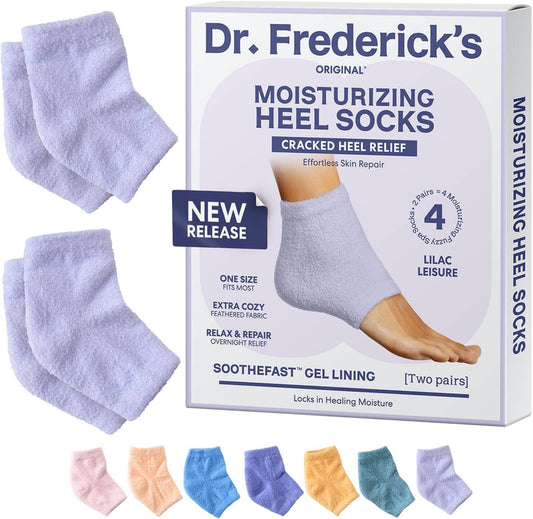
Fuzzy Moisturizing Heel Socks SootheFast™ Gel
Ultra-soft fuzzy socks with gel lining that heal cracked heels overnight

GET 10% OFF YOUR FIRST ORDER
Get early access to new products, exclusive savings, and reminders about upcoming sales!
Frequently asked questions
Why Should I Use Moisturizing Socks?
You should use Moisturizing Socks that deliver direct, sustained hydration to dry, cracked, and rough foot skin through gel-lined contact during wear. Moisturising socks lock nourishing ingredients against the skin for 8 or more hours. The gel lining is infused with an essential oil or a combination (argan oil, Jojoba oil, coconut oil, Shea butter, mango butter, aloe, and olive) to nourish the skin overnight. The product restores moisture balance and repairs damaged skin during sleep. Cracked heels and rough skin texture improve visibly within 7 days of consistent use. The hands-free design eliminates messy creams, greasy residue on bedding, and repeated lotion reapplication. Reusable construction makes moisturizing socks a cost-effective long-term solution compared to frequent professional foot treatments. Consistent overnight wear transforms severely dry and cracked foot skin into softer, healthier skin, making moisturizing socks a practical addition to any daily foot care routine.
What Causes Dry, Cracked Feet Without Moisturizing Socks?
The things that causes dry, cracked feet without Moisturizing Socks are listed below.
- Lack of Moisture Retention: Feet lose natural oils and hydration through daily activity, friction, and exposure to dry air. The skin surface dries out faster without a moisture-locking treatment.
- Friction and Pressure: Constant walking, standing, and shoe contact create friction that wears down the outer skin layer on the heel and sole. Repeated exposure without protective moisture coverage leads to thickening, cracking, and callus formation.
- Hot Showers and Harsh Soaps: Prolonged hot water exposure and strong soaps strip the skin of its natural protective oils. The foot skin becomes increasingly dry and prone to cracking without consistent moisture replenishment.
- Cold and Dry Weather: Low humidity and cold temperatures reduce the skin's ability to retain moisture naturally. Feet exposed to dry seasonal conditions without treatment develop a rough, flaky, and cracked surface skin faster.
- Medical Conditions: Conditions such as diabetes, eczema, and psoriasis compromise the skin's natural moisture barrier on the feet. Affected skin loses hydration at a faster rate and requires consistent targeted treatment to prevent severe cracking.
- Neglected Foot Care Routine: Feet receive less direct skincare attention compared to other body areas, leading to gradual moisture depletion over time. The absence of a consistent hydration routine accelerates dryness, roughness, and cracked heel development without regular moisturizing sock treatment.
How Do Moisturizing Socks Improve Skin Hydration?
Moisturizing Socks improve skin hydration by locking nourishing ingredients directly against the foot surface through gel-lined contact during wear. The gel lining releases botanical oils (like mango butter, shea butter, jojoba, and coconut oil) into the skin through body heat activation. Sustained contact across 8 or more hours allows deeper ingredient penetration than short-duration lotion applications. The sealed sock environment prevents moisture loss from the skin surface throughout the wear period. Consistent use rebuilds the skin's natural moisture barrier, reducing the frequency and severity of cracking over time. Visible improvement in skin texture and heel condition appears within 7 days of regular overnight use. The combination of direct contact, heat activation, and sustained wear makes moisturizing socks a more effective hydration method than standard topical lotion application alone.
How Do You Choose the Best Moisturizing Sock for Dry Feet?
You choose the best Moisturizing Sock for dry feet by identifying where dryness is most severe. Heel-focused socks suit localized cracking, while full-foot variants address broader dryness across the entire foot. Skin sensitivity determines the right material, where hypoallergenic cotton, silicone gel, or microfiber suits severely dry or cracked skin. Wear time matters as well, where daytime socks handle active hydration and overnight repair socks deliver intensive treatment during sleep. Gel technology selection depends on whether heel-specific repair or deeper full-foot hydration is needed. Mild dryness responds to lighter materials, while severe cracking requires higher-concentration gel formulas. Single pairs suit first-time users, while multi-pair packs offer better long-term value for consistent daily foot care with moisturizing socks.
Can Using Moisturizing Socks Lead to Skin Irritation?
Yes, Moisturizing Socks can lead to skin irritation in some individuals, though uncommon. Reactions typically stem from sensitivity to specific gel ingredients or adhesive materials used in the sock lining. Prolonged wear on already compromised or broken skin increases the likelihood of mild redness or irritation. Patch testing the sock on a small skin area before full overnight use reduces the risk of adverse reactions. Switching to hypoallergenic materials such as cotton or bamboo fiber resolves most irritation issues caused by sensitive skin reactions.
Are There Any Risks When Wearing Moisturizing Socks All Day?
Yes, there are risks when wearing Moisturizing Socks all day. Wearing moisturizing socks all day carries minimal risks when used correctly, though extended wear without breaks can over-hydrate the skin. Over-hydration softens the skin excessively, making it more vulnerable to tearing or irritation during physical activity. Heat buildup inside closed footwear during all-day wear reduces breathability and increases moisture accumulation beyond therapeutic levels. Selecting breathable materials such as cotton or bamboo fiber for daytime use minimizes heat buildup and reduces over-hydration risk. Limiting all-day wear to breathable daytime sock variants ensures safe and effective continuous hydration without compromising skin integrity.
Are Moisturizing Socks Safe for Sensitive Skin?
Yes, Moisturizing Socks are safe for sensitive skin when made from hypoallergenic materials such as cotton, bamboo fiber, or skin-safe silicone gel. Sensitive skin benefits from the protective barrier the sock creates, shielding the foot from external irritants during wear. Gel formulations using natural botanical emollients (shea butter and coconut oil) are gentler on reactive skin than synthetic ingredient blends. Avoiding heavily fragranced or chemically treated sock linings further reduces the risk of irritation on sensitive skin. Choosing a dermatologist-tested moisturizing sock with natural emollients ensures safe and consistent sensitive skin hydration during overnight foot care.
Can Moisturizing Socks Be Worn Safely with Any Type of Shoe?
Yes, Moisturizing Socks can be worn safely with any type of shoes, though gel-lined moisturizing socks are designed primarily for lounging or overnight wear. The thin, low-profile moisturizing socks fit comfortably inside closed shoes without adding bulk or restricting movement. Thick gel-lined overnight variants are not suited for use inside tight footwear, as the added padding creates pressure on the foot. Open-toe moisturizing socks pair well with sandals and open footwear during warmer conditions. Selecting the right sock thickness based on the footwear type ensures comfortable and safe daily moisturizing sock wear across different shoe styles.
Do Moisturizing Socks Work?
Yes, Moisturizing Socks work by delivering sustained hydration directly to dry, cracked foot skin through gel-lined contact during wear. The gel lining releases botanical emollients into the skin through body heat activation, producing deeper ingredient penetration than standard lotion application. Visible skin improvement appears within 7 days of consistent overnight use, with cracked heels and rough skin texture softening noticeably. Multi-day wear builds cumulative hydration results that restore the skin's natural moisture barrier over time. The combination of direct contact, heat activation, and extended wear makes moisturizing socks a clinically effective solution for consistent dry foot skin treatment.
What Factors Affect the Price of Moisturizing Socks?
The factors that affect the price of Moisturizing Socks are listed below.
- Gel Technology: Advanced gel formulations require significant research and development, raising the retail price above basic gel-lined alternatives. Socks without specialized moisture-locking systems sit at a lower price point.
- Material Quality: Premium materials such as bamboo fiber and microfiber cost more to produce than standard cotton or synthetic blends. Higher-quality materials deliver better hydration and greater durability through repeated use.
- Ingredient Concentration: Higher concentrations of botanical emollients such as shea butter, mango butter, and coconut oil increase production costs. Greater concentration delivers faster and more visible skin repair results.
- Coverage Design: Full-foot designs require more material and gel lining than heel-focused or open-toe variants. Broader coverage justifies a higher retail price due to increased production demands.
- Pack Size: Multi-pair packs carry a higher total price, though the per-unit cost decreases with larger quantities. Bulk pricing offers better long-term value for consistent daily foot care.
- Certification: Physician-developed or dermatologist-tested socks carry a premium price due to clinical validation and safety testing. Certified products provide verified performance that generic alternatives do not guarantee.
- Durability and Reusability: Reinforced stitching and washable gel linings cost more upfront but deliver greater value over extended use. Lower-priced options require more frequent replacement, increasing the long-term cost of moisturizing sock treatment.
Why Are Some Moisturizing Socks More Expensive Than Others?
Some Moisturizing Socks are more expensive than others because of the differences in gel technology, material quality, ingredient concentration, and clinical development. Advanced gel systems require significant research and testing before reaching the market, with development costs reflected in the retail price. Higher-quality botanical emollients (mango butter, shea butter, and coconut oil) cost more to source and infuse into sock linings than synthetic alternatives. Full-foot coverage designs use more gel lining and premium fabric than heel-focused variants, increasing material costs. Physician-developed and dermatologist-tested certifications require clinical trials and safety validation that add to the overall production cost. Durable, washable construction built for repeated use justifies a higher price point compared to single-use or low-durability alternatives. Multi-pair packs appear more expensive at purchase but reduce the per-unit cost for long-term users. The combination of advanced technology, premium ingredients, and clinical validation makes higher-priced moisturizing socks a more effective investment for consistent dry foot skin treatment.
Does the Material of a Moisturizing Sock Impact Its Price?
Yes, the material of a Moisturizing Sock impacts its price. Premium materials such as bamboo fiber, microfiber, and silicone gel cost more to source and manufacture than standard cotton or synthetic blends. Botanical emollient-infused fabrics require additional processing to bind nourishing ingredients into the sock lining, increasing production costs further. Higher-quality materials also deliver superior durability, maintaining gel lining integrity and fabric structure through repeated wash and wear cycles. The material directly determines how effectively moisture is delivered and retained against the skin during wear, making premium construction a key driver of both performance and moisturizing sock price.
Are There Risks in Choosing Cheaper Moisturizing Socks?
Yes, there are risks in choosing cheaper Moisturizing Socks. Choosing cheaper moisturizing socks carries risks related to ingredient quality, material durability, and skin safety. Lower-priced options use synthetic moisturizing agents instead of natural botanical emollients, delivering less effective hydration results during wear. Inferior gel linings break down faster through washing and repeated use, reducing the sock's therapeutic effectiveness over time. Poorly constructed fabric may cause skin irritation, uneven moisture distribution, or premature wear that compromises the protective lining. Cheaper socks lacking clinical validation or dermatologist testing carry a higher risk of adverse reactions on sensitive or reactive skin. Investing in quality-tested moisturizing socks reduces long-term replacement costs and ensures consistent, safe results for dry foot skin treatment.
How Long Does Shipping Take for Moisturizing Socks?
The shipping of Moisturizing Socks takes 5–7 business days for most domestic orders. Delivery time depends on the seller's fulfillment speed, the buyer's location, and the carrier handling the shipment. Free standard shipping is available on orders that meet a minimum purchase threshold set by the seller. Express shipping options deliver within 1–2 business days for buyers who need faster access to their order. Same-day delivery depends on warehouse proximity to the buyer's location and is more accessible in urban areas. Tracking details are provided after purchase, allowing buyers to monitor the status of their moisturizing sock order in real time. Reviewing the seller's shipping policy before checkout sets clear expectations on delivery timelines and available shipping options.
Does the Brand Offer Fast Shipping on Moisturizing Socks?
Yes, the brand offers fast shipping on moisturizing sock orders through selected retailers and online platforms. Express delivery typically arrives within 1–2 business days, while standard shipping takes 5–7 business days for most domestic orders. Same-day fulfillment depends on warehouse proximity to the buyer's location and carrier availability in the area. Buyers in urban areas benefit from faster fulfillment options compared to those in rural or remote locations. Checking the available shipping methods at checkout ensures the fastest delivery option is selected for moisturizing sock orders.
Are Moisturizing Socks Shipped in Discreet Packaging?
Yes, moisturizing socks are shipped in discreet packaging that protects the product during transit without revealing the contents. Standard outer packaging does not display product details or branding visible to others during delivery. Inner packaging maintains the sterility and condition of the sock lining until the product is ready for use. Sealed packaging prevents moisture, dust, and physical damage from compromising the gel lining or fabric quality during shipping. Reviewing the seller's packaging policy before purchase confirms the level of discreet packaging provided for moisturizing sock deliveries.
Is Shipping Free on Moisturizing Sock Orders?
Yes, free shipping is available on moisturizing sock orders that meet a minimum purchase of $35. Orders falling below the free shipping threshold incur a standard carrier fee based on delivery location and selected shipping speed. Buying multi-pair packs or bundling moisturizing sock orders with other products helps reach the free shipping minimum more efficiently. Some platforms offer free shipping on all orders regardless of purchase value for subscribed or premium members. Confirming the free shipping threshold at checkout prevents unexpected delivery charges on moisturizing sock orders.
What Is the Refund Policy for Moisturizing Socks?
The refund policy for moisturizing socks covers product defects, incorrect items received, and unopened packaging returned within the eligible return window. Returns are accepted within 30 days of purchase, provided the item remains in its original sealed condition. Damaged, expired, or tampered packaging disqualifies a product from return eligibility. Customer support handles all refund requests, requiring an order number and a clear description of the issue before processing begins. A return label is provided once the request is approved. Refunds are processed within 5–10 business days after the returned item is received and inspected. Direct replacements instead of monetary refunds for defective or damaged moisturizing socks are available as well. Reviewing return terms at checkout sets clear expectations on refund eligibility before completing a purchase.
How Long Is the Refund Request Period?
The refund policy for moisturizing socks covers product defects, incorrect items received, and unsatisfactory results within the eligible 30-day window from the date of purchase. Every purchase carries a 30-day satisfaction guarantee, replacing the product or issuing a full refund when results fall short. Requests submitted beyond the 30-day period are not accepted, regardless of the reason. Damaged, expired, or tampered packaging disqualifies a product from return eligibility. Customer support handles all refund requests, requiring an order number and a clear description of the issue before processing begins. A return label is provided once the request is approved. Refunds are processed within 5–10 business days after the returned item is received and inspected. Submitting a refund request as early as possible after identifying an issue ensures the claim falls within the eligible period for moisturizing sock returns. Direct replacements instead of monetary refunds for defective or damaged products are available.
Can Moisturizing Socks Be Returned If They Do Not Improve Dryness?
Yes, moisturizing socks can be returned if they do not improve dryness, provided the return falls within the 30-day eligible window. A satisfaction guarantee covers performance-based returns beyond the standard defect or damage policy. Documenting the lack of results with photos or written descriptions strengthens the return claim during the review process. Contacting customer support directly and explaining the issue clearly increases the likelihood of a successful performance-based return for moisturizing sock orders.
Are Used Moisturizing Socks Eligible for a Refund?
Yes, used moisturizing socks are eligible for a refund in most circumstances, primarily when the product is defective or causes an adverse skin reaction. Most sellers restrict refunds on used items due to hygiene standards applied to skin-contact therapeutic products. Exceptions apply when the sock causes irritation, skin damage, or fails to perform as described despite correct use. Filing a refund claim with photo evidence of the defect or adverse reaction increases the likelihood of approval.
How to Use Moisturizing Socks Properly?
To use moisturizing socks properly, there are seven steps to follow. First, wash the feet thoroughly with mild soap and warm water to remove dirt, dead skin, and surface oils that reduce moisture absorption. Second, pat the feet completely dry before applying any lotion or cream, as excess moisture on the skin surface dilutes the effectiveness of the gel lining. Third, apply a generous layer of preferred lotion or botanical emollient cream across the heel, sole, and any dry or cracked areas before putting the socks on. Fourth, slip the moisturizing socks on carefully, ensuring the gel lining sits flush against the skin surface without bunching or folding. Fifth, wear the socks for a minimum of 8 hours, preferably overnight, to allow the gel lining to deliver full hydration and ingredient absorption. Sixth, remove the socks gently in the morning and massage any remaining lotion residue into the skin for added moisture retention. Lastly, rinse the socks according to the care instructions, allow them to air dry completely, and store them in a clean, dry place to maintain gel lining integrity for the next moisturizing sock treatment session.
How Often Should Moisturizing Socks Be Worn?
Moisturizing socks should be worn at least three to four times per week for consistent hydration and visible skin improvement results. Daily overnight use produces the fastest results, with cracked heels and rough skin texture showing noticeable improvement within 7 days of consistent treatment. Individuals with severely dry or cracked skin benefit most from nightly wear during the initial treatment period, gradually reducing frequency as skin condition improves. Mild dryness responds well to two to three sessions per week, maintaining moisture balance without over-hydrating the skin. Over-hydration from excessive daily wear softens the skin too much, making it more vulnerable to tearing or irritation during physical activity. Adjusting wear frequency based on skin condition and seasonal changes ensures the most effective and balanced treatment outcome. Cold and dry weather conditions require more frequent wear to counteract accelerated moisture loss from the skin surface. Consistent wear aligned with the severity of dryness and the recommended gel technology makes moisturizing socks most effective for long-term dry foot skin recovery.
Can Moisturizing Socks Be Worn with Shoes?
Yes, moisturizing socks can be worn with shoes, though the sock type and thickness determine compatibility with different footwear. Thin, low-profile moisturizing socks fit comfortably inside closed shoes without adding bulk or restricting movement during daily activity. Thick gel-lined overnight variants are not suited for use inside tight or narrow footwear, as the added padding creates unnecessary pressure on the foot. The gel coating on the sock surface reduces traction on smooth floors, making them slippery during movement outside a rest or sleep environment. Open-toe moisturizing socks pair well with sandals and open footwear during warmer conditions. Selecting the right sock thickness based on the footwear type ensures comfortable and safe wear across different shoe and moisturizing sock combinations.
Can Moisturizing Socks Be Worn All Day?
Yes, moisturizing socks can be worn all day when made from breathable, lightweight materials suited for extended active wear. Thin daytime variants deliver continuous hydration during daily activity without causing heat buildup inside footwear. Thick gel-lined overnight socks are not designed for all-day use, as prolonged wear during physical activity increases heat accumulation and over-hydration risk. Breathable materials such as cotton and bamboo fiber regulate moisture and temperature levels during extended daytime wear. Limiting thick gel variants to overnight use and selecting breathable daytime options ensures safe and effective all-day moisturizing sock wear.
Are Moisturizing Socks Suitable for Walking or Standing Long Hours?
Yes, moisturizing socks are suitable for walking and standing long hours when designed with breathable, lightweight materials and a low-profile fit. Thin daytime moisturizing socks maintain continuous hydration contact during extended standing or walking without restricting movement inside footwear. Thick gel-lined variants are not recommended for long-hour standing or walking, as the added padding reduces stability and increases heat buildup inside closed shoes. Breathable cotton or bamboo fiber materials regulate foot temperature and moisture during prolonged wear, keeping the skin comfortable throughout the day. Selecting a daytime-specific moisturizing sock with a slim, breathable construction ensures safe and effective wear during long-hour standing and walking activity.
